Faris Adani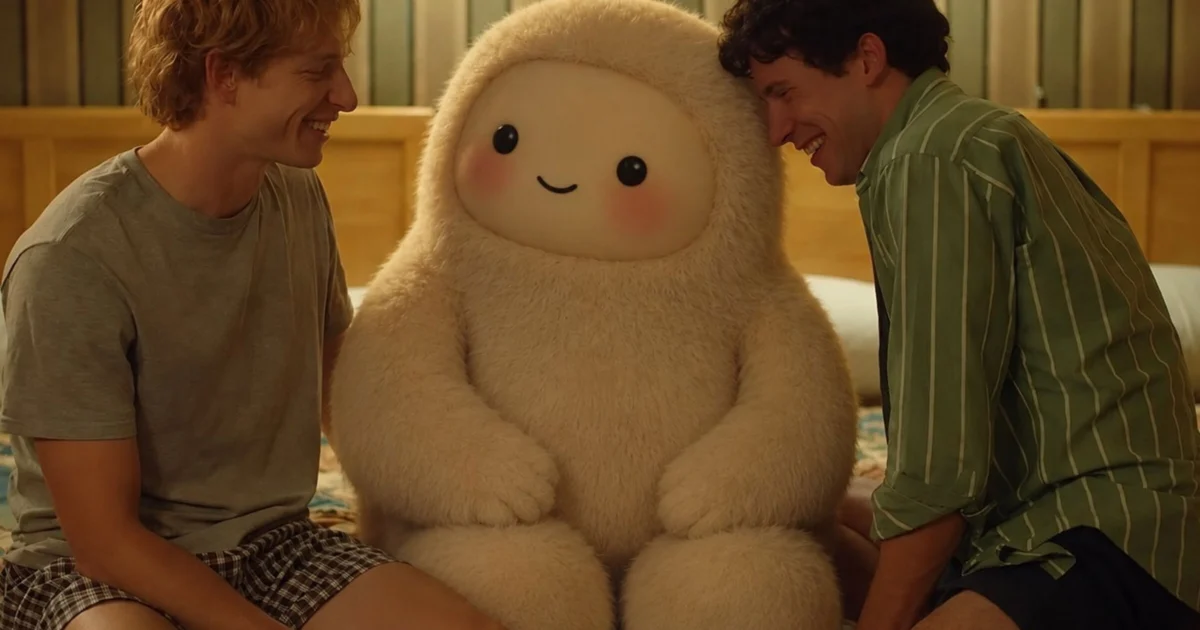
Meta, a company often seen as playing catch-up in the rapidly evolving AI landscape, has taken a decidedly unconventional and highly visible approach to introducing its latest artificial intelligence offering. Eschewing the typically serious and technical marketing favored by competitors, Meta has unleashed "Jolly" – a charmingly cute, anthropomorphic mascot for its new AI product, Muse. This strategy stands in stark contrast to the likes of OpenAI, Anthropic, or even Microsoft’s more muted attempt with its "Mico" Copilot companion, marking a significant departure in how major tech players are presenting their AI to the public. Meta’s audacious gamble is to meme its way into the collective consciousness, attempting to transform Jolly, a character reminiscent of a Labubu art toy crossed with a Fall Guys bean, into an inescapable viral sensation.
At the helm of this daring campaign is Alexandr Wang, the self-described "zoomer head" of Meta’s Superintelligence Labs. Wang has embraced the role of chief meme officer, relentlessly populating social media with AI-generated images of the fuzzy little character. What makes this campaign particularly noteworthy – and, for some, controversial – is the distinctly risqué nature of many of these promotional images. Wang isn’t merely showcasing Jolly in benign, helpful scenarios; he’s pushing boundaries, seemingly aiming to evoke a sense of playful, almost flirtatious, desire for the digital assistant.
Consider some of the provocative examples Wang has shared. One image depicts Jolly winking suggestively over its shoulder, its posterior coyly angled towards the viewer, all in an apparent effort to promote Muse’s integration with the cloud storage system Box. The implication is clear: Jolly isn’t just a helpful tool; it’s something to be desired, perhaps even lusted after. Another widely circulated image recreates a scene from the 2023 film "Challengers," placing Jolly in bed alongside two men, a direct nod to the movie’s infamous three-way makeout scene involving Zendaya, Josh O’Connor, and Mike Faist. By injecting Jolly into such a culturally charged and sexually suggestive context, Wang deliberately positions Muse as a disruptor of norms, a companion that can navigate – or even participate in – intimate human scenarios. This move is a calculated risk, leveraging the film’s edgy reputation to imbue the AI with a similar aura of modern, boundary-pushing coolness.
The campaign further delves into internet culture with a parody of Maroon 5 singer Adam Levine’s infamously cringe-worthy sexts. Wang’s creation shows the pop star purportedly losing his mind over an Instagram DM containing a picture of Jolly’s derriere. This clever, self-referential meme taps into recent internet lore, transforming a moment of celebrity embarrassment into a vehicle for AI promotion. By framing Jolly as an object of such intense, albeit comical, desire, Meta is deliberately cultivating a persona for its AI that is anything but sterile or purely functional.
Wang’s accompanying caption, "some of y’all way too thirsty for muse," is a masterstroke of meta-commentary. It acknowledges and even encourages the very "thirst" he’s consciously trying to invite, creating a feedback loop where the audience is not just consuming the marketing but actively participating in its propagation. This self-aware, almost ironic tone resonates deeply with younger, internet-savvy demographics who appreciate brands that don’t take themselves too seriously and are willing to lean into the absurdity of online culture. The strategy, so far, appears to be working spectacularly, generating significant buzz and user engagement that transcends traditional AI product launches.
The internet, ever eager to run with a viral sensation, has readily embraced and amplified the risqué nature of Jolly. User-generated content quickly materialized, pushing the boundaries even further. Regrettably, some creations depict Jolly in overtly sexualized poses, such as one image showing the mascot with its legs spread in a receptive posture. Another AI-generated video features Wang himself playfully petting Jolly’s jiggly posterior, blurring the lines between creator, character, and audience. Perhaps the most striking example of this viral amplification is the recreation of an infamous adult meme, the "Piper Perri surrounded" image, with Jolly at its center. This transformation of a notorious cultural touchstone into AI-related content underscores the sheer virality and the deliberate cultivation of a provocative image that Meta has achieved. It’s a testament to the campaign’s effectiveness in capturing attention, even if that attention borders on the controversial.
The strategic genius behind this approach lies in its ability to differentiate Muse in a crowded market. While other AI companies focus on benchmarks, capabilities, and ethical guidelines, Meta is focusing on emotional connection, personality, and cultural relevance. By making Jolly not just a tool, but a character that evokes strong reactions – from amusement to desire – Meta aims to embed Muse deeply into users’ lives and cultural discourse. This isn’t just about utility; it’s about companionship, identity, and even a touch of forbidden fantasy.
Beyond the meme factory, Meta is also building a comprehensive ecosystem around Muse to ensure its sticky presence. The company has rolled out features allowing users to customize their Muse mascot, altering its appearance entirely and even giving it a unique voice. This personalization aspect is crucial, as it fosters a deeper sense of ownership and connection, transforming Jolly from a generic mascot into a bespoke digital companion. Further cementing this bond, Meta has announced a Tamagotchi-like device called a "Charm," designed to let users carry their companion-slash-personal-assist wherever they go. This blends the digital and physical worlds, evoking a sense of nostalgia for a generation that grew up with virtual pets, while simultaneously positioning Muse as an indispensable, ever-present assistant. The ubiquity of Jolly is undeniable; if one has recently opened Instagram or Facebook, the little munchkin is almost certainly inescapable, a testament to Meta’s aggressive, multi-platform marketing blitz.
The ramifications of this marketing strategy are vast and warrant careful consideration. By deliberately crafting an AI that elicits "lust" or strong emotional attachment, Meta ventures into ethically complex territory. It blurs the line between playful marketing and potentially problematic implications regarding objectification, parasocial relationships, and the broader societal impact of designing AI to be desirable in a human sense. What does it mean for human-AI interaction when the AI is presented as something to be "thirsty" for? While designed for virality and engagement, this approach also raises questions about the long-term psychological effects of forming deep, emotionally charged bonds with non-sentient entities.
Ultimately, Meta’s bold and often risqué marketing of Muse via Jolly represents a significant gamble. It’s an attempt to humanize AI, to make it relatable, desirable, and ultimately, indispensable, by leveraging the power of internet culture and memeification. Whether this strategy will translate into sustained adoption and positive brand perception for Meta’s core AI products remains to be seen. However, for now, Meta has successfully captured attention, sparked conversation, and demonstrated a willingness to push the boundaries of AI marketing in an unprecedented and unforgettable way. The little munchkin is everywhere, and people are, indeed, already lusting after Meta’s new AI assistant Muse.