anjir abdul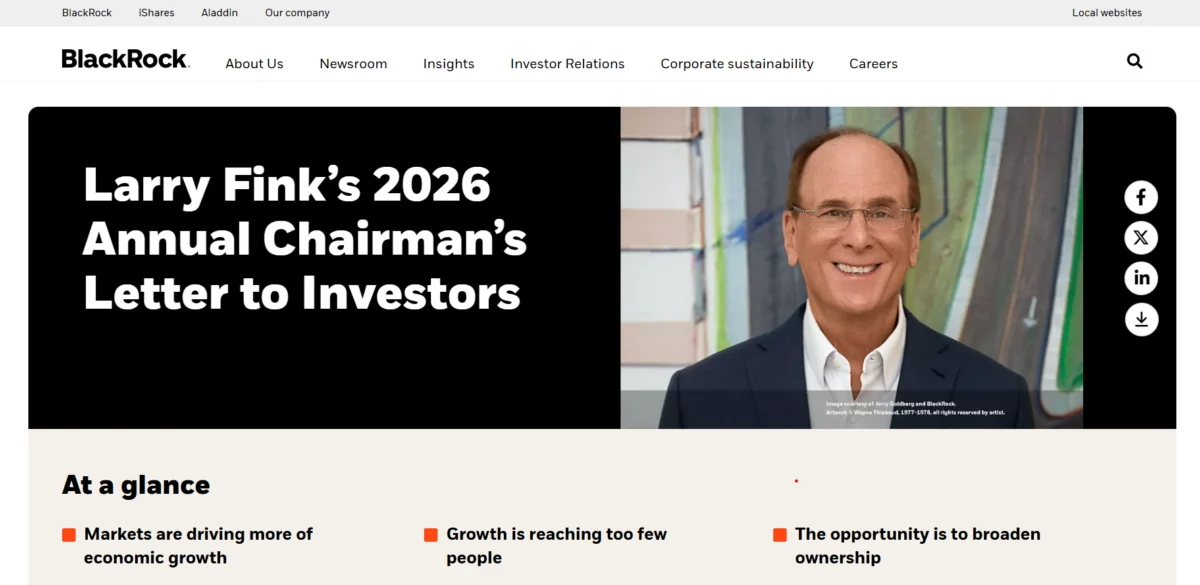
The financial industry is witnessing a transformative convergence of traditional market infrastructure with nascent digital asset technologies, exemplified by the strategic integration between Nasdaq, a global leader in capital markets technology, and Talos, a prominent digital asset infrastructure provider. This partnership is specifically designed to address a critical inefficiency within institutional finance: the collateral bottleneck in tokenization, a problem Nasdaq’s internal research estimates traps approximately $35 billion in capital in "corrective and non-interest-bearing measures." By integrating Nasdaq’s robust Calypso risk and collateral management platform and its sophisticated trade surveillance system with Talos’s institutional trading tools, the collaboration seeks to forge a "unified workflow" for managing tokenized collateral and monitoring both traditional and digital assets for market abuse, setting a new standard for institutional engagement in the digital asset space.
Nasdaq’s Calypso platform is a cornerstone of risk management and collateral optimization in traditional finance, trusted by banks, asset managers, and clearing houses worldwide. Its integration into the digital asset ecosystem via Talos signifies a profound shift, extending its proven capabilities in real-time risk analytics, credit exposure management, and collateral optimization to a new class of assets. This move by Nasdaq underscores its strategic vision to bridge the gap between conventional finance and the burgeoning digital economy, providing the robust infrastructure necessary for institutions to confidently navigate and leverage digital assets. Simultaneously, Talos brings its cutting-edge institutional trading tools, which offer comprehensive connectivity, order execution, and prime brokerage-like functionalities across various digital asset venues. Talos has positioned itself as a crucial gateway for institutional investors, hedge funds, and brokers looking to access the digital asset market with the sophistication and control they demand. The combined offering promises to streamline the entire lifecycle of tokenized collateral, from origination and valuation to settlement and risk monitoring, dramatically reducing the operational friction and capital inefficiencies that currently plague the system.
The "tokenization collateral bottleneck" refers to the significant challenges institutions face when using digital assets or tokenized representations of traditional assets as collateral in financial transactions. In traditional finance, collateral—assets pledged by a borrower to a lender to secure a loan or transaction—is fundamental for mitigating counterparty risk. However, the existing systems for managing collateral are often fragmented, manual, and inefficient. This leads to substantial amounts of capital being tied up unnecessarily, either due to lengthy settlement cycles, complex reconciliation processes, or conservative over-collateralization requirements. Nasdaq’s estimate of $35 billion in trapped capital highlights the tangible economic cost of these inefficiencies. Tokenization, the process of representing real-world assets or digital assets on a blockchain, offers a compelling solution. By digitizing assets and embedding their ownership and transfer rules into smart contracts, tokenization can enable instantaneous, atomic settlement, improve transparency, and allow for the fractionalization of illiquid assets. This means collateral can be moved, re-hypothecated, and managed with unprecedented speed and efficiency, unlocking liquidity and optimizing capital utilization across diverse asset classes, from real estate and private equity to traditional securities and cryptocurrencies. The unified workflow envisioned by Nasdaq and Talos aims to harness these advantages, offering institutions the ability to manage a diverse portfolio of tokenized and traditional collateral seamlessly, with real-time visibility and control.
Beyond capital efficiency, a critical component of this partnership is the emphasis on market integrity through advanced trade surveillance. Crypto’s relatively short history is unfortunately replete with instances of market manipulation and lax compliance, which have eroded trust and hindered broader institutional adoption. The integration of Nasdaq’s battle-tested trade surveillance system means Talos clients will gain access to sophisticated tools designed to detect opaque and illicit trading tactics such as wash trading, spoofing, and layering. Wash trading involves an individual or entity simultaneously buying and selling the same asset to create a misleading impression of high trading volume and demand. Spoofing is a manipulative tactic where traders place large orders with no intention of executing them, creating artificial price movements, only to cancel them before they are filled. Layering is a variation of spoofing, involving multiple spoofing orders at different price levels. These practices, which are illegal in traditional markets, have been notoriously prevalent in unregulated or less-regulated digital asset exchanges.
The historical context provided in the original report serves as a stark reminder of the urgent need for such institutional-grade compliance. The 2020 revelation that Canadian exchange Coinsquare admitted to wash trading over 90% of its reported volume, leading to executive ousters and regulatory settlements, underscores the potential for abuse when robust surveillance is absent. Even more impactful was the 2022 collapse of FTX, a crypto exchange that, despite touting sophisticated risk management, effectively granted an unlimited line of credit to its associated trading firm, Alameda Research, and exempted it from critical controls. This catastrophic failure exposed systemic vulnerabilities and a profound lack of oversight, costing investors billions and severely damaging the industry’s reputation. Furthermore, Chainalysis’s January 2025 report indicating that suspected wash trading and pump-and-dump schemes continued to account for significant volumes in decentralized finance (DeFi) pools, with illicit crypto volumes reaching almost $51 billion in 2024, highlights the persistent challenges. By bringing Nasdaq’s surveillance capabilities to the digital asset market, the partnership aims to instill confidence, foster legitimate market activity, and ensure a level playing field for all participants, aligning digital asset trading with the rigorous standards of traditional financial markets.

The partnership between Nasdaq and Talos is part of a much broader, accelerating trend towards the tokenization of assets across the global financial system. This movement is gaining significant momentum, attracting the attention and investment of some of the largest players in finance. BlackRock CEO Larry Fink, a highly influential figure in global asset management, articulated this sentiment in his 2026 annual shareholder letter, stating that tokenization is "updating the plumbing of the financial system" and is at a stage comparable to the internet in 1996. This powerful analogy suggests that tokenization is not merely an incremental improvement but a foundational technological shift that will fundamentally redefine how financial assets are created, owned, traded, and settled. Fink believes that blockchain-based representations of assets have the potential to democratize access to markets, enhance transparency, and dramatically reduce costs across various financial instruments and services. BlackRock itself has been actively exploring and investing in tokenization, launching its own tokenized money market fund, BUIDL, and playing a pivotal role in the approval and launch of spot Bitcoin ETFs.
Other major financial institutions are also aggressively pursuing tokenization initiatives. Intercontinental Exchange (ICE), the owner of the New York Stock Exchange (NYSE), is developing its own blockchain-based platform designed for 24/7 trading of tokenized stocks and exchange-traded funds (ETFs). This initiative by a key pillar of traditional finance signals a clear recognition of the operational efficiencies and expanded trading hours that tokenization can offer. Similarly, global asset manager Franklin Templeton has been expanding its offerings in tokenized U.S. government money market funds and developing collateral programs specifically for institutions, demonstrating the practical application of tokenization in real-world asset management. These examples illustrate a growing consensus among financial giants that tokenization is not a fleeting trend but a fundamental evolution of market infrastructure.
The implications of this movement are vast. Tokenization has the potential to unlock trillions of dollars in value by making illiquid assets liquid, reducing intermediaries, and automating complex processes through smart contracts. For institutional investors, it promises greater capital efficiency, reduced settlement risk, and broader access to a diverse range of assets. However, realizing this potential requires robust, secure, and compliant infrastructure that can seamlessly integrate with existing financial systems. This is precisely where the Nasdaq-Talos partnership comes into play, offering a comprehensive solution that combines the best of traditional finance’s risk management and surveillance capabilities with the innovation and efficiency of digital asset technology.
In conclusion, the collaboration between Nasdaq and Talos represents a significant milestone in the institutional adoption of digital assets. By tackling the tokenization collateral bottleneck through a unified workflow for risk management and collateral optimization, and by bringing institutional-grade trade surveillance to the digital asset markets, the partnership addresses two of the most pressing challenges facing the industry: capital inefficiency and market integrity. This integration is not merely about adapting existing systems to new technologies; it is about building the next generation of financial infrastructure that is more efficient, transparent, and secure. As the broader financial world increasingly recognizes the transformative potential of tokenization, initiatives like this will be instrumental in paving the way for a future where digital assets play a central role in global finance, ultimately unlocking new avenues for value creation and capital deployment across markets.