Faris Adani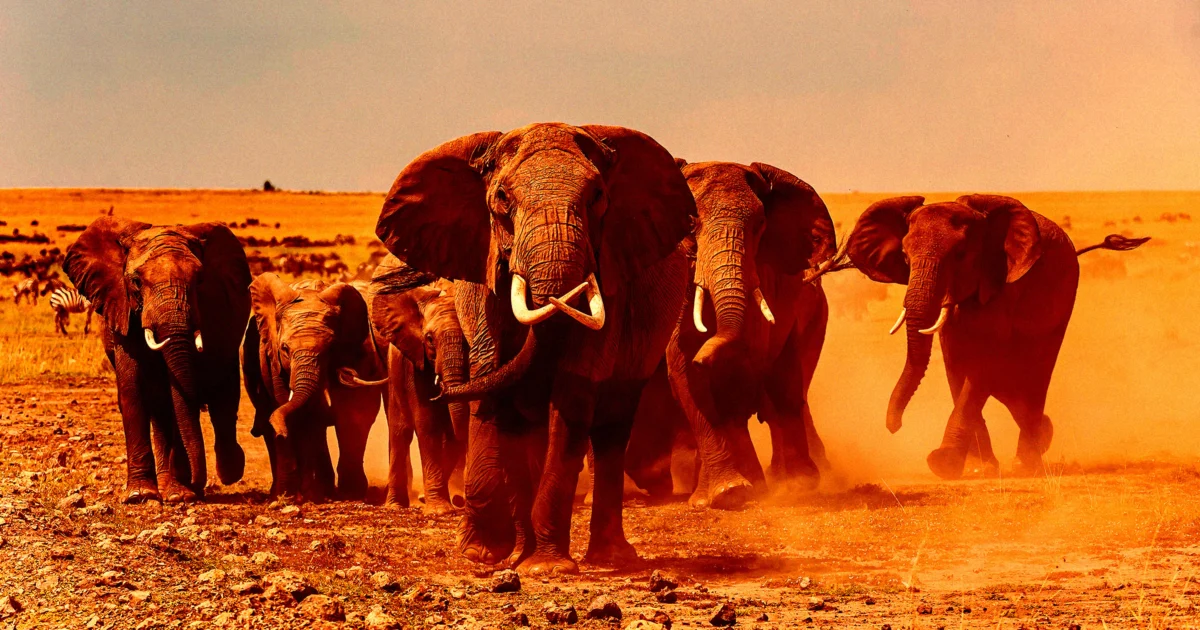
The perilous world of big game hunting collided with tragic reality in Gabon, Africa, when Ernie Dosio, a 75-year-old millionaire from California, and his local guide were brutally trampled to death by a herd of elephants. Dosio, known for his ownership of a prominent California vineyard, was engaged in a hunt for yellow-backed duiker, a forest-dwelling antelope, when the fatal encounter unfolded on April 17. The incident reignites fierce debate surrounding the ethics, safety, and purported conservation benefits of trophy hunting, a practice that continues to draw both ardent defenders and vehement critics worldwide.
The precise circumstances of the encounter paint a harrowing picture. Dosio and his guide, whose identity has not been widely disclosed, were reportedly tracking the elusive yellow-backed duiker through dense Gabonese terrain. These antelopes, while not officially endangered, are classified as "near threatened" by the International Union for Conservation of Nature (IUCN), a designation that itself adds another layer of controversy to the hunt. It was during this pursuit that the hunting party unexpectedly stumbled upon a group of five female elephants, accompanied by a calf. Startled by the human presence, the protective mother elephants, likely sensing a threat to their young, charged without hesitation. The sheer power and speed of an elephant charge are overwhelming, leaving little chance for escape. As a retired game hunter familiar with Dosio grimly relayed to the Daily Mail, the end would have been "quick," a testament to the devastating force of these magnificent, yet incredibly powerful, creatures.
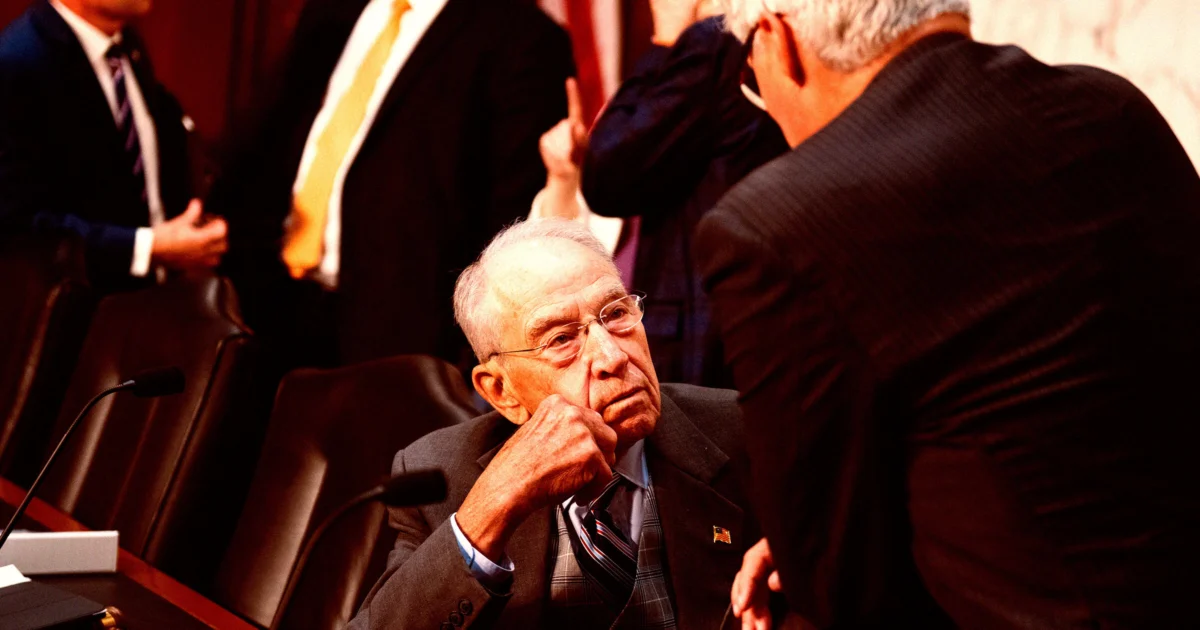
Ernie Dosio was more than just a wealthy businessman with a passion for hunting. According to associates, he was a complex figure whose involvement in the hunting community was multifaceted. A retired game hunter based in Cape Town, who claimed acquaintance with Dosio, described him as "a very well-known and popular hunter in the US and in Africa." This individual further highlighted Dosio’s philanthropic endeavors, stating he "did a hell of a lot of charity work and was a really good guy," and emphasizing his keen interest in conservation. Another unnamed game hunter corroborated this sentiment, asserting that "all Ernie’s hunts were strictly licensed and above board and were registered as conservation in culling animal numbers." These statements underscore a common argument made by proponents of big game hunting: that regulated hunting, through permit fees and selective culling, can paradoxically contribute to conservation efforts by funding anti-poaching initiatives, habitat preservation, and local community development, while also managing animal populations.
However, this narrative faces intense scrutiny and outright condemnation from wildlife advocates and a significant portion of the public. The concept of "trophy hunting for conservation" is one of the most contentious aspects of modern wildlife management. Critics argue that the ethical implications of killing animals for sport, regardless of the financial contributions, are indefensible. They point to the inherent cruelty and the potential for corruption within the industry, where permits might be issued based on financial gain rather than genuine ecological need. Furthermore, the removal of specific animals, particularly mature males or females, can disrupt complex social structures within species like elephants, leading to unforeseen ecological consequences. The fact that Dosio was hunting a "near threatened" species further fuels the argument that such practices, even if legal, are ethically questionable when global biodiversity is in steep decline.
The immediate aftermath of the incident saw a predictable outpouring of reactions, particularly on social media, where a strong current of "schadenfreude" was hard to miss. Comments ranged from sarcastic condolences to outright celebrations of the elephants’ retaliatory action. This visceral public response highlights the deep emotional divide surrounding big game hunting. For many, the idea of a wealthy individual traveling to Africa to hunt wild animals for sport, especially in an era of unprecedented wildlife loss, is morally repugnant. They view it as a vestige of colonialism, where affluent individuals from developed nations exploit the natural resources of less developed countries, often at the expense of local ecosystems and the animals themselves. The perceived arrogance of humans entering the wild with the intent to kill, only to be overcome by the very creatures they sought to dominate, resonated with a sense of karmic justice for some.
Elephants, in particular, hold a special place in the global imagination. Known for their intelligence, complex social structures, and remarkable memory, they are also incredibly protective of their young. A female elephant herd, led by a matriarch, operates with a strong communal defense mechanism. The presence of a calf would undoubtedly have amplified the elephants’ defensive instincts, transforming a chance encounter into a life-or-death confrontation. The tragic outcome serves as a stark reminder of the inherent dangers and unpredictable nature of venturing into wild habitats where such powerful animals roam. It also underscores the increasing human-wildlife conflict that arises as human populations expand and encroach further into natural ecosystems, diminishing available space for wildlife.
The broader context of global wildlife decline adds another layer of urgency to this debate. As The Guardian reported, the trophy-hunting industry is responsible for the deaths of tens of thousands of wild animals annually, including critically endangered species. This occurs against a backdrop of alarming statistics: wildlife populations have plummeted by a staggering 73 percent globally between 1970 and 2020, according to the World Wildlife Fund’s Living Planet Report. This catastrophic decline is attributed to a combination of environmental destruction, habitat loss, climate change, pollution, and poaching driven by criminal organizations targeting species for ivory, horns, and other illicit commodities. In this precarious ecological landscape, any practice that involves the killing of wild animals, regardless of its legal status or stated intentions, is subjected to intense scrutiny.
Gabon, a nation known for its rich biodiversity and significant rainforest coverage, is home to a substantial population of forest elephants. The country has often been lauded for its conservation efforts, particularly under former President Ali Bongo Ondimba, who spearheaded initiatives to protect its natural heritage. However, even in nations committed to conservation, the pressures of economic development and the complexities of wildlife management persist. The incident in Gabon, therefore, is not merely an isolated tragedy but a microcosm of the larger, ongoing struggle to balance human activities with the imperative of protecting the planet’s dwindling wildlife.
Ultimately, Ernie Dosio’s death serves as a poignant and complex punctuation mark in the ongoing global discourse surrounding big game hunting. It forces a re-examination of the motivations behind such pursuits, the effectiveness of "conservation hunting" models, and the ethical responsibilities humanity holds towards the natural world. While some will mourn the loss of a man they respected for his charitable work and conservation interests, others will view the event as a grim, albeit tragic, consequence of a controversial practice. The elephants, acting purely on instinct to protect their own, delivered a powerful and unequivocal message from the wild, reminding humanity of the untamed power and intrinsic value of nature, and the irreversible consequences that can arise when those boundaries are crossed.