anjir abdul
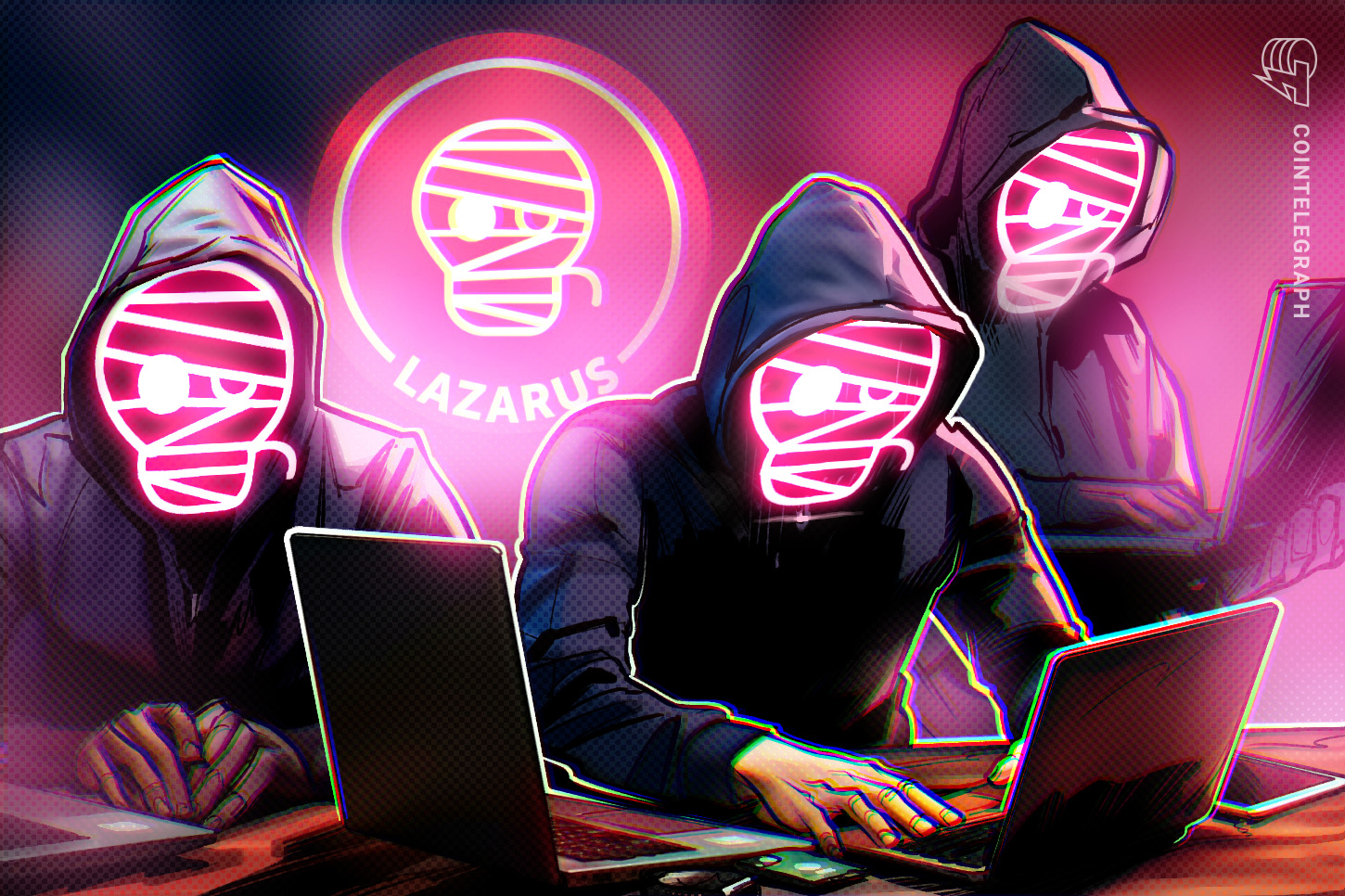
Crypto wallets demonstrably linked to the notorious Lazarus Group, the North Korean state-affiliated advanced persistent threat (APT) collective, have orchestrated the movement of approximately $30 million in illicitly acquired digital assets through Hyperliquid, a prominent decentralized exchange (DEX), a development that unfolds just weeks after US regulators expressed intentions to pave a pathway for the exchange’s entry into American markets. This intricate series of transactions underscores the persistent challenge faced by global financial watchdogs and law enforcement agencies in combating state-sponsored cybercrime, particularly from entities like the Lazarus Group, which is formally sanctioned by the U.S. Office of Foreign Assets Control (OFAC) for its role in funding North Korea’s illicit weapons programs.
The Lazarus Group, a shadowy and highly sophisticated cybercrime organization operating under the aegis of the Democratic People’s Republic of Korea (DPRK) Reconnaissance General Bureau, has long been identified as a primary financial engine for the reclusive nation. Its operational mandate extends beyond mere financial gain, directly supporting Pyongyang’s ambitious nuclear and ballistic missile programs by circumventing stringent international sanctions. Their modus operandi typically involves highly coordinated cyberattacks targeting financial institutions, cryptocurrency exchanges, and blockchain protocols, employing tactics ranging from elaborate phishing campaigns and social engineering to supply chain compromises and zero-day exploits. Historically, the group has been implicated in some of the most audacious and financially devastating cyber heists, including the infamous Sony Pictures Entertainment hack in 2014, the WannaCry ransomware attack in 2017, and a multitude of cryptocurrency breaches totaling billions of dollars. Notable crypto incidents include the $625 million Axie Infinity’s Ronin Bridge hack in 2022, the $100 million Harmony Bridge exploit, and the colossal $1.4 billion hack of the Bybit exchange in 2025, which remains the industry’s largest to date according to reported timelines. These incidents highlight not only their technical prowess but also their strategic imperative to continuously replenish state coffers. North Korea-linked threat actors were reportedly responsible for at least $578 million of the $634 million stolen in crypto-related incidents in April alone, further cementing their position as the leading perpetrators of crypto crime.
The recent $30 million maneuver, meticulously tracked and disclosed by Arkham analyst Emmett Gallic, involved a sophisticated layering technique designed to obfuscate the origin and destination of the funds. According to blockchain data shared in a Monday X post, the Lazarus-tagged wallets initially funneled Bitcoin (BTC) into Hyperliquid and its associated platform, HyperUnit. Once on these decentralized exchanges, the BTC was then swiftly traded into alternative cryptocurrencies such as Ether (ETH) or Solana (SOL). This conversion is a critical step in their money laundering process, as it breaks the direct transactional link to the initial stolen assets. Following the swaps, these newly acquired ETH or SOL tokens were then "bridged" out to different blockchain networks, specifically Tron, Solana, or the Ethereum network. Blockchain bridging involves transferring assets between distinct blockchain ecosystems, further complicating traceability for investigators. This multi-chain, multi-asset strategy is a hallmark of sophisticated money laundering operations, leveraging the inherent complexities and interoperability of the decentralized finance (DeFi) landscape. Arkham Intelligence, a leading blockchain analytics firm, plays a crucial role in unmasking such illicit flows by using advanced on-chain analysis to identify and tag entities, effectively creating a digital trail even through ostensibly anonymous transactions.
Ultimately, the final destination of these laundered funds included several prominent centralized cryptocurrency exchanges: KuCoin, Kraken, and Lbank. Additionally, a portion of the assets was directed to various unlabeled services operating on the Tron network. The choice of these exchanges and services is strategic. While KuCoin and Kraken are generally regarded as more compliant exchanges, they can still be exploited, particularly for withdrawals that follow complex deposit patterns or in jurisdictions with varying levels of regulatory enforcement. Lbank, and especially the unlabeled Tron network services, often present lower barriers to entry and potentially less stringent Know Your Customer (KYC) and Anti-Money Laundering (AML) protocols, making them attractive conduits for cashing out illicit gains or further dispersing funds. The use of multiple exchanges and networks aims to fragment the money trail, making it exceedingly difficult for any single entity to freeze or seize the entirety of the stolen assets.
This revelation of the Lazarus Group’s activities on Hyperliquid comes at a particularly sensitive juncture for the exchange. Just weeks prior, on August 16, US President Donald Trump, during a White House event, publicly announced that Commodity Futures Trading Commission (CFTC) Chair Michael Selig was actively working on establishing a regulatory pathway to introduce Hyperliquid into US markets. This pronouncement signaled a significant step towards mainstream integration for the decentralized platform within a highly regulated financial environment. The juxtaposition of these two events—the US government exploring avenues for Hyperliquid’s legitimate operation while a sanctioned, state-sponsored cybercrime syndicate simultaneously leverages it for illicit financial maneuvers—creates a profound dilemma.
For Hyperliquid, the implications are substantial. While decentralized exchanges often operate under the premise of being permissionless and censorship-resistant, attracting both legitimate users and bad actors, this direct link to the Lazarus Group poses significant reputational damage. More critically, it will undoubtedly intensify regulatory scrutiny, especially given the expressed interest from US authorities. Regulators may demand enhanced compliance measures, even for DEXs, to prevent their platforms from becoming unwitting conduits for sanctions evasion and terrorist financing. This incident highlights the inherent challenges of regulating DeFi: how can authorities impose AML/KYC obligations on a protocol designed to be decentralized and often governed by smart contracts rather than a central entity? The global nature of cryptocurrency further complicates matters, as transactions can originate and terminate across borders, making enforcement a complex, multi-jurisdictional endeavor. OFAC’s role in sanctioning entities like the Lazarus Group is to prevent them from accessing the global financial system, and any platform facilitating such access, directly or indirectly, could face repercussions.

The broader implications of these continuous attacks by the Lazarus Group extend far beyond the immediate financial losses. They undermine trust in the nascent cryptocurrency industry, fuel calls for more stringent regulation, and pose a direct national security threat by funding a rogue state’s weapons proliferation. The cat-and-mouse game between state-sponsored hackers and blockchain analytics firms like Arkham, along with international law enforcement agencies, is a continuous battle for the integrity of the global financial system. While analytics firms are becoming increasingly sophisticated at tracing funds, the Lazarus Group consistently adapts its tactics, pushing the boundaries of obfuscation. This ongoing struggle underscores the urgent need for enhanced collaboration between private sector security experts, blockchain developers, and governmental bodies to develop robust, proactive defenses and effective enforcement mechanisms against such persistent and dangerous adversaries. The future trajectory of North Korean cybercrime will undoubtedly continue to leverage the evolving landscape of digital assets, making vigilance and adaptability paramount for all stakeholders in the crypto ecosystem.