anjir abdul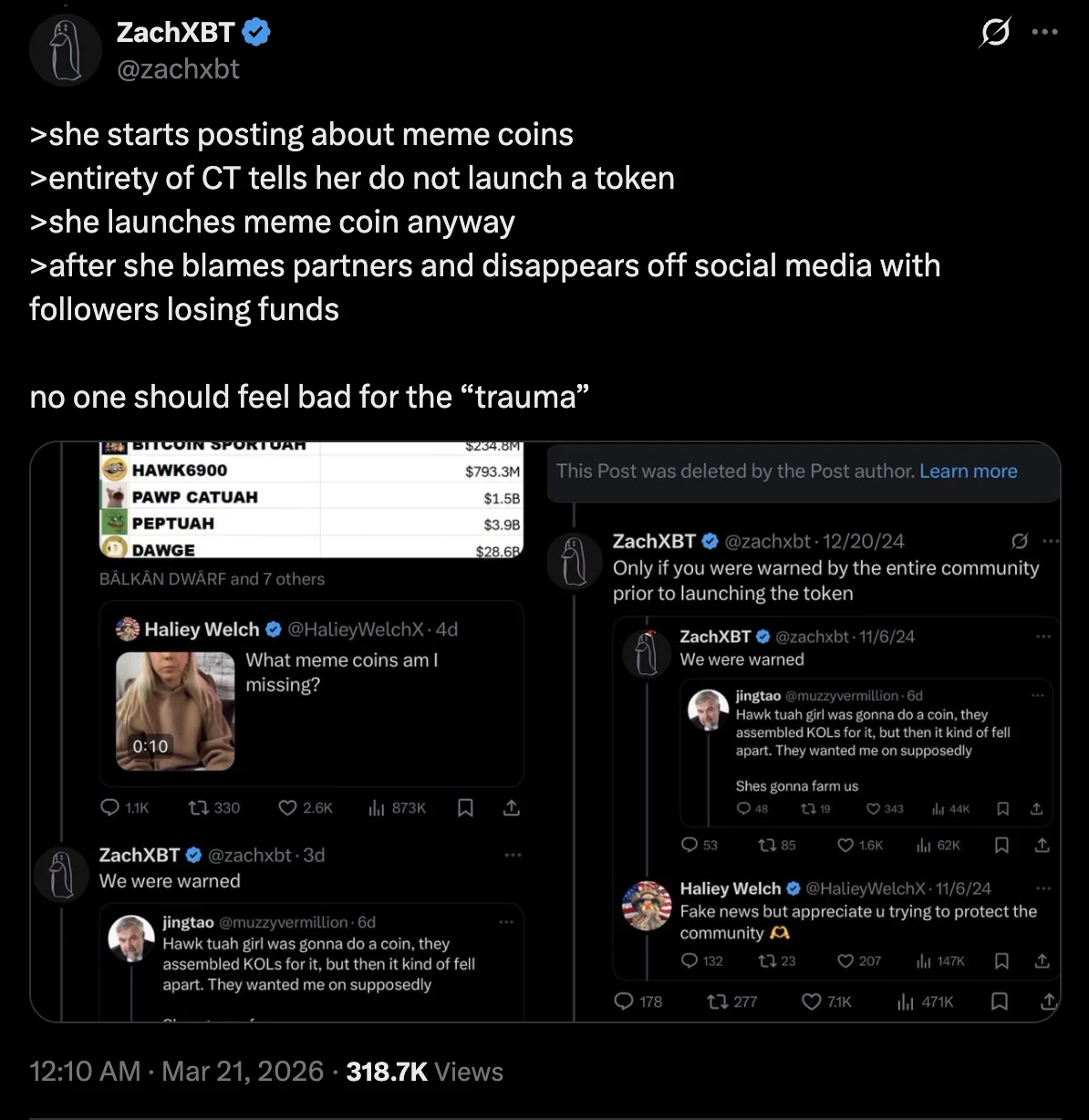
Welch’s journey from viral sensation to cautionary figure began in the summer of 2024 when a spontaneous, candid interview remark – her distinctive "spit on that thing" phrase – catapulted her into internet fame. Her unique delivery and unexpected humor resonated deeply with millions, quickly turning her into a meme and a trending topic across social media platforms. This sudden ascent brought not only widespread recognition but also new opportunities, including approaches from various brands and, critically, from individuals looking to leverage her newfound influence within the burgeoning and often volatile world of cryptocurrency. It was during this whirlwind of new attention that she was "talked into doing something that I didn’t know anything about, really," a decision she now deeply regrets and uses as a crucial lesson for others. "You’ve got to be really careful what you put your name on," Welch emphasized during her candid conversation with Andrew Callaghan of the Channel 5 YouTube channel on Friday, reflecting on the profound impact of her involvement.
The incident that reshaped Welch’s public persona and personal life revolved around the HAWK memecoin. Memecoins, characterized by their speculative nature, often derive their value from internet memes, social media hype, and community sentiment rather than inherent utility. They are notoriously volatile, prone to rapid price swings, and, in many cases, susceptible to "pump-and-dump" schemes or outright "rug pulls" where developers abandon a project and abscond with investor funds. The HAWK memecoin, launched in December 2024, initially appeared to follow the typical trajectory of a hyped memecoin, surging to an astonishing market capitalization of over $490 million mere hours after its debut. This meteoric rise, fueled by social media buzz and the association with a popular influencer, created a frenzy among retail investors hoping to strike it rich. However, the euphoria was short-lived. The very next day, the HAWK token experienced a catastrophic collapse, plummeting by over 91% and settling at a market cap of approximately $41 million. This precipitous fall was widely characterized as a rug pull, leaving many investors with significant losses and fueling outrage directed at those associated with its promotion.

Welch recounted the harrowing experience, detailing how the aftermath of the HAWK memecoin’s collapse consumed her life. She revealed that she fully cooperated with a Federal Bureau of Investigation (FBI) probe in 2025, which, crucially, cleared her of any wrongdoing. She vehemently maintained that she did not possess any of the funds generated from the memecoin launch, nor did she possess the technical expertise required to develop or launch such a coin. Her involvement, she asserted, was limited to promotional activities, driven by a lack of understanding of the underlying technology and the inherent risks. While her lawyer estimated the total dollar amount lost by retail investors in the botched memecoin release to be around $200,000 – a figure some might consider not "significant" in the grand scheme of crypto market caps – for the individual investors who saw their hard-earned money evaporate, it was a devastating blow.
The personal toll on Welch was immense. She described receiving death threats and enduring months of attempting to maintain a low profile, a period that severely impacted her mental health. "I was starting to get death threats and everything else. People telling me I owe them all this money, and I’m like, ‘I didn’t do this.’ I’m sitting here, and I’m the one getting hit for this. It’s rough. It’s one of those things where if you come out of the house, you put your head down," she shared, painting a vivid picture of the fear and isolation she experienced. This sentiment underscores the often-unforeseen consequences for influencers who, intentionally or not, become entangled in crypto controversies, bearing the brunt of public anger despite their potential lack of malicious intent or technical involvement.
However, not everyone has been swayed by Welch’s narrative of unwitting participation and trauma. Onchain sleuth ZachXBT, a prominent figure known for exposing scams and fraudulent activities within the cryptocurrency space, expressed strong skepticism. "No one should feel bad for the ‘trauma’," ZachXBT stated publicly, offering a counter-perspective that highlights the contentious debate surrounding influencer accountability in the crypto world. He elaborated on his stance, asserting, "She starts posting about meme coins. The entirety of [crypto Twitter] tells her ‘do not launch a token.’ She launches a memecoin anyway, and after, she blames partners and disappears off social media, with followers losing funds." This counter-argument points to a perceived lack of due diligence on Welch’s part, suggesting that she proceeded with the promotion despite widespread warnings from experienced crypto community members. It raises critical questions about the responsibility of influencers to vet projects they endorse, particularly when those endorsements can lead to significant financial losses for their audience. The prevailing sentiment among critics is that ignorance, while perhaps a mitigating factor, does not fully absolve an influencer of responsibility when their platform is used to promote a scheme that ultimately harms their followers.

The HAWK memecoin’s rapid ascent and even more rapid collapse serves as a stark illustration of the extreme volatility and inherent risks associated with speculative digital assets. The initial surge to over $490 million market capitalization showcased the power of influencer marketing and social media hype in the crypto space. However, its swift decline, which saw its value plummet to just over $1 million at the time of Welch’s latest interview, underscored the fragility of such projects. These "rug pulls" are unfortunately common, where the creators of a token suddenly withdraw liquidity from decentralized exchanges, effectively making the token worthless and leaving investors holding the bag.
The legal ramifications of the HAWK incident began to unfold in December 2024, shortly after the crash. An investor lawsuit was filed, targeting the team and entities responsible for creating and managing the memecoin launch. Significantly, Hailey Welch herself was not named as a defendant in this lawsuit, further supporting her claim of being cleared of wrongdoing and not being directly involved in the coin’s development or management. The lawsuit alleged that these entities were involved in the sale of unregistered securities, a common legal challenge faced by crypto projects that operate without proper regulatory compliance. Under securities law, many cryptocurrencies, especially those offered to the public with the expectation of profit from the efforts of others, can be classified as securities and thus require registration with regulatory bodies like the Securities and Exchange Commission (SEC) in the United States. The failure to register can lead to severe penalties and legal action from investors.
Welch’s experience with the HAWK memecoin debacle has solidified her stance as a vocal critic of the crypto space, at least concerning its speculative fringes. Her warning for others to "stay clear of crypto" is not merely a personal reflection but a public service announcement, born from profound personal hardship. For new influencers, her story highlights the critical need for rigorous due diligence and an understanding of the products they promote, especially in complex and unregulated markets. The allure of quick profits or increased visibility can obscure the potential for significant reputational damage, legal liabilities, and emotional distress. For potential investors, the "Hawk Tuah girl’s" saga serves as a potent reminder of the "buyer beware" principle. The ease of entry into memecoin investing belies the sophisticated and often predatory nature of many projects. The narrative around HAWK, with its viral influencer tie-in and subsequent collapse, encapsulates the wild west nature of certain sectors of the crypto market, where excitement can quickly turn to despair, and trust can be shattered in a matter of hours.

In conclusion, Hailey Welch’s journey from internet sensation to a reluctant crypto cautionary tale is a multifaceted narrative. It encompasses the intoxicating power of internet fame, the treacherous landscape of speculative cryptocurrency, the profound personal cost of public backlash, and the ongoing debate about accountability in the digital age. Her warning, steeped in personal trauma and legal clearance, resonates as a powerful plea for prudence. While opinions remain divided on her degree of responsibility, her experience unequivocally underscores the imperative for both influencers and the public to approach the volatile world of cryptocurrency with extreme caution, skepticism, and a thorough understanding of the inherent risks involved. The HAWK memecoin crash is not just a financial footnote but a stark human story, reminding us all that in the digital realm, not all that glitters is gold, and sometimes, the most tempting opportunities carry the greatest hidden dangers.