Shutterstock / Matt Winkelmeyer/Getty Images / Futurism
Sign up to see the future, today
Can’t-miss innovations from the bleeding edge of science and tech
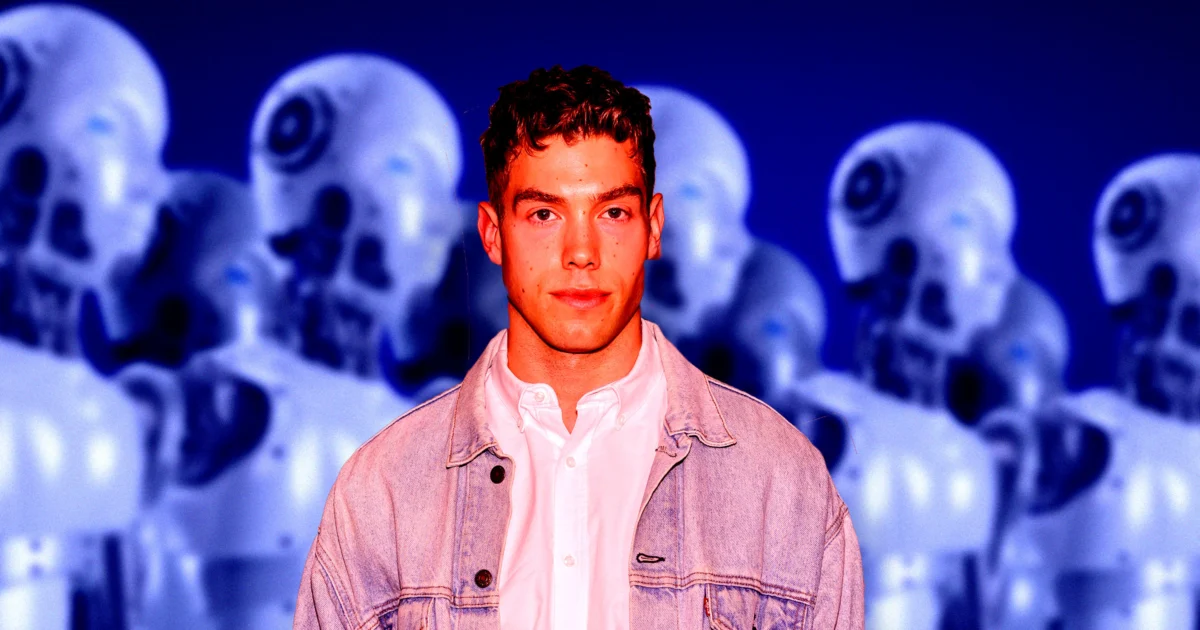
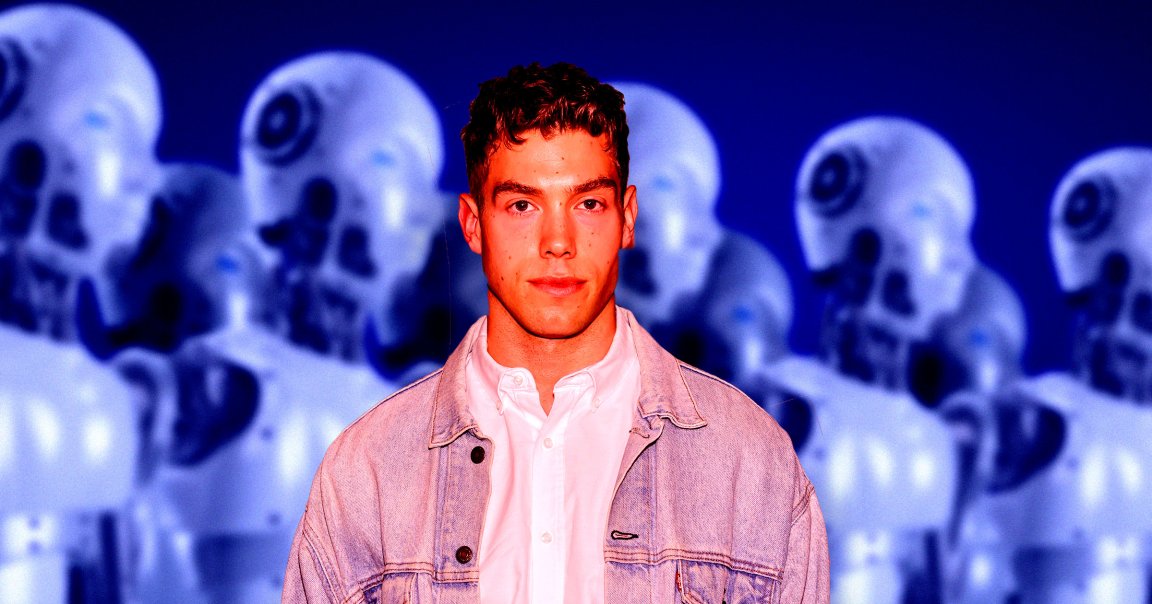
Dating App Cofounder Bails After Scandal Over Using Fake AI-Generated Influencers. Derek Chadwick, a prominent model and influencer who cofounded the new gay dating app Goose, has abruptly resigned from his position following revelations that the platform employed deceptive tactics, including the use of fake, AI-generated influencers, to entice men into signing up, as reported by *Out* magazine. Chadwick, whose public persona and significant social media following were central to Goose’s initial appeal, announced his departure on Tuesday through a cryptic Instagram post, raising questions about the extent of his knowledge and involvement in the app’s controversial marketing strategies.
The scandal has cast a shadow over Goose, an app that positioned itself as a progressive alternative to established platforms like Grindr. While Grindr is often associated with casual hookups, Goose explicitly promised a space for gay men seeking deeper, more meaningful relationships, even true love. This aspirational branding, combined with the personal endorsement of a well-known figure like Chadwick, initially propelled the app to significant visibility and user acquisition, quickly climbing the ranks in app stores. The allure of a platform designed for genuine connection, helmed by an influencer who seemingly understood the community’s desires, resonated deeply with many.
However, the foundation of this early success appears to have been built on a significant deception. A thorough investigation published last month by *Wired* magazine exposed the elaborate scheme: Goose was allegedly using a network of fake Instagram accounts to lure unsuspecting men onto its platform. These accounts exhibited tell-tale signs of artificiality, including suspiciously high following-to-follower ratios—a common indicator of bot activity or purchased engagement—and profile pictures that, upon closer inspection, bore the distinctive hallmarks of AI generation. The technology behind such images, often based on Generative Adversarial Networks (GANs), has advanced to a point where AI can create highly realistic, yet entirely fabricated, human faces, making detection challenging for the average user.
The sophistication of this deceptive campaign extended beyond mere fake profiles. The *Wired* report detailed how some of these AI-generated personas would actively engage with potential users, initiating direct messages (DMs) and even adding them to “Close Friend Stories” on Instagram. This particular tactic exploited the perceived intimacy and exclusivity of Instagram’s “Close Friends” feature, where users share content only with a select group, fostering a sense of trust and personal connection. Within these private stories, an AI deepfake — an artificially manipulated video or image designed to mimic a real person — of an attractive man would attempt to charm followers, leading them to believe they were being invited into an exclusive community by joining Goose. This level of psychological manipulation, leveraging advanced AI technology, represents a significant escalation in online dating app marketing ethics, blurring the lines between genuine interaction and calculated digital trickery.
Chadwick’s announcement of his departure, made on Instagram, was laden with carefully chosen words that hinted at his desire to distance himself from the unfolding controversy without explicitly confirming his prior knowledge or the specific reasons for his exit. “Some personal news. As of last week, I’ve stepped away from Goose,” Chadwick wrote. “This was not a decision I made lightly. Building something for our community has been one of the most meaningful things I’ve gotten to do, and I’m proud to have helped push that forward.” His subsequent explanation, while vague, strongly suggested a moral disconnect with the company’s operational practices. “Where I landed is that my vision for where this should go and the direction the company is going aren’t the same thing anymore,” he continued. “When my name and my face are on something, I want to be able to stand behind all of it, fully. As that stopped being true, staying didn’t feel right.” This statement, interpreted as an attempt at self-exoneration, implies that the company’s actions diverged from his ethical standards or initial vision for the app, creating an untenable position for him as a public face.
The ethical implications of using AI-generated influencers for marketing, especially in the sensitive realm of personal relationships, are profound. Such practices erode trust, not only in the specific platform but also in the broader digital landscape. Users invest emotional energy and vulnerability into online dating, and discovering that interactions were with fabricated entities can lead to feelings of betrayal, disillusionment, and even emotional harm. This deception undermines the very premise of online connection, making it harder for individuals to discern genuine interest from algorithmic manipulation. The case of Goose highlights a growing concern about the misuse of sophisticated AI technologies for psychological manipulation, raising urgent questions about transparency, accountability, and consumer protection in the digital age.
Goose, in its official response to *Out* magazine, acknowledged Chadwick’s departure with a brief and equally uninformative statement. “As Goose enters its next phase of growth, Derek Chadwick stepped away from his role as Co-Founder,” the company stated. “We are grateful for Derek’s leadership and vision that he has brought to the company and the foundation he has helped build.” This generic statement offered no additional context regarding the AI influencer scandal, nor did it provide any details about the company’s plans to address the widespread deception. Such a terse acknowledgment, devoid of explanation or apology, often signals a company’s attempt to minimize negative publicity and avoid further engagement on controversial topics, further fueling skepticism among users and the public.
The broader context of AI in the digital dating landscape reveals a dichotomy between beneficial innovation and malicious exploitation. Legitimate applications of AI in dating include sophisticated matchmaking algorithms that analyze user preferences and behaviors to suggest compatible partners, natural language processing for filtering inappropriate content, and even AI-powered virtual assistants designed to help users optimize their profiles or initiate conversations. These uses aim to enhance the user experience and facilitate genuine connections. However, the Goose scandal exemplifies the darker side of AI’s potential: its capacity to generate convincing fakes and orchestrate elaborate deceptions. This incident serves as a stark reminder that as AI technology becomes more accessible and powerful, the line between helpful assistance and harmful manipulation becomes increasingly fine, demanding greater ethical oversight and regulatory frameworks.
For the LGBTQ+ community, where dating apps often serve as vital platforms for connection and community-building in spaces where traditional avenues might be limited, such deception carries an even heavier weight. Trust and authenticity are paramount, given the historical challenges and vulnerabilities faced by the community. A platform that promises a safe and genuine space for relationships, only to be found using manipulative AI tactics, risks not only losing its user base but also inflicting a deeper sense of betrayal on individuals who rely on these digital spaces for support and companionship.
The future of Goose remains uncertain. The reputational damage from such a significant scandal, especially one involving deep-seated deception and the misuse of advanced technology, could be catastrophic. Potential consequences range from a mass exodus of users to possible legal actions by affected individuals or regulatory bodies investigating deceptive marketing practices. For the tech industry at large, the Goose scandal underscores the critical importance of ethical AI deployment and transparent communication with users. Companies leveraging AI must prioritize integrity and build user trust through clear disclosure, especially when AI-generated content or interactions are involved. As the digital world becomes increasingly intertwined with AI, the onus is on developers and founders to ensure that innovation serves humanity responsibly, fostering genuine connections rather than fabricating illusions.

Related Posts
Faris Adani
- Future Tech
- Innovation
- September 30, 2026
- 0 Comments
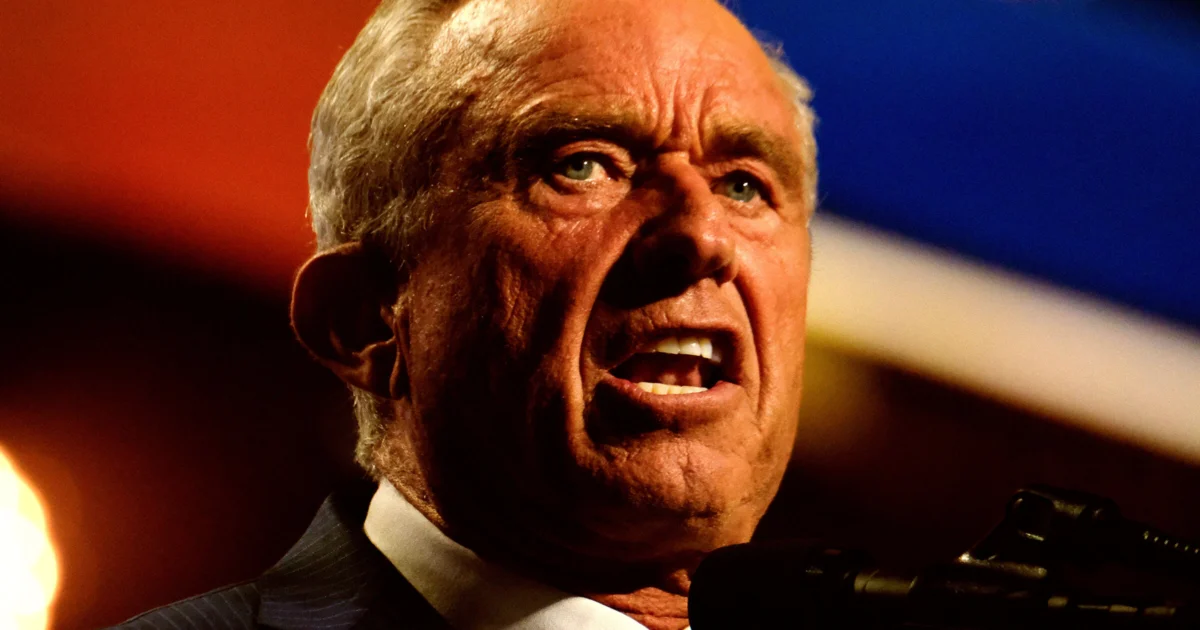
RFK Jr Announcing That AI Is Now Better Than Human Doctors Shows That He Is a Buffoon Who Is Ruining Trust in American Health Institutions
Joel Angel Juárez/For The Washington Post via Getty Images RFK Jr Announcing That AI Is Now Better Than Human Doctors Shows That He Is a Buffoon Who Is Ruining Trust…
- Future Tech
- Innovation
- September 28, 2026
- 0 Comments
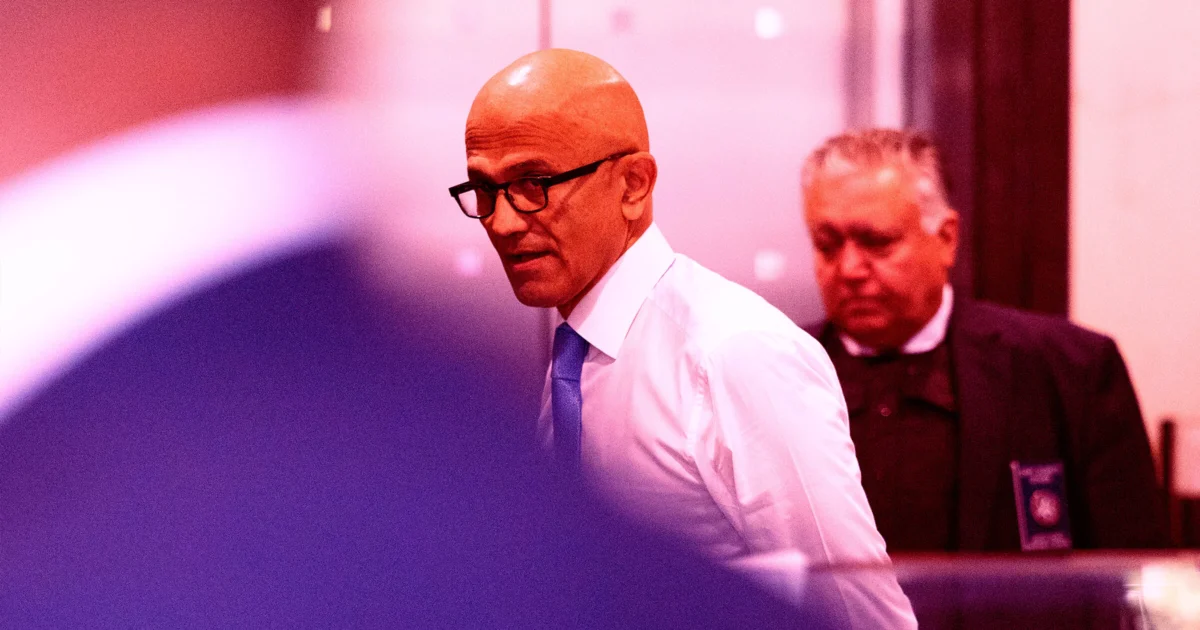
Microsoft Shrivels When Asked If Its “Good Neighbor” Data Center Policy Will Involve Actually Supporting Community Groups
Benjamin Fanjoy/Getty Images/Futurism Microsoft Shrivels When Asked If Its “Good Neighbor” Data Center Policy Will Involve Actually Supporting Community Groups. The grand pronouncements of corporate social responsibility often sound compelling…