Faris Adani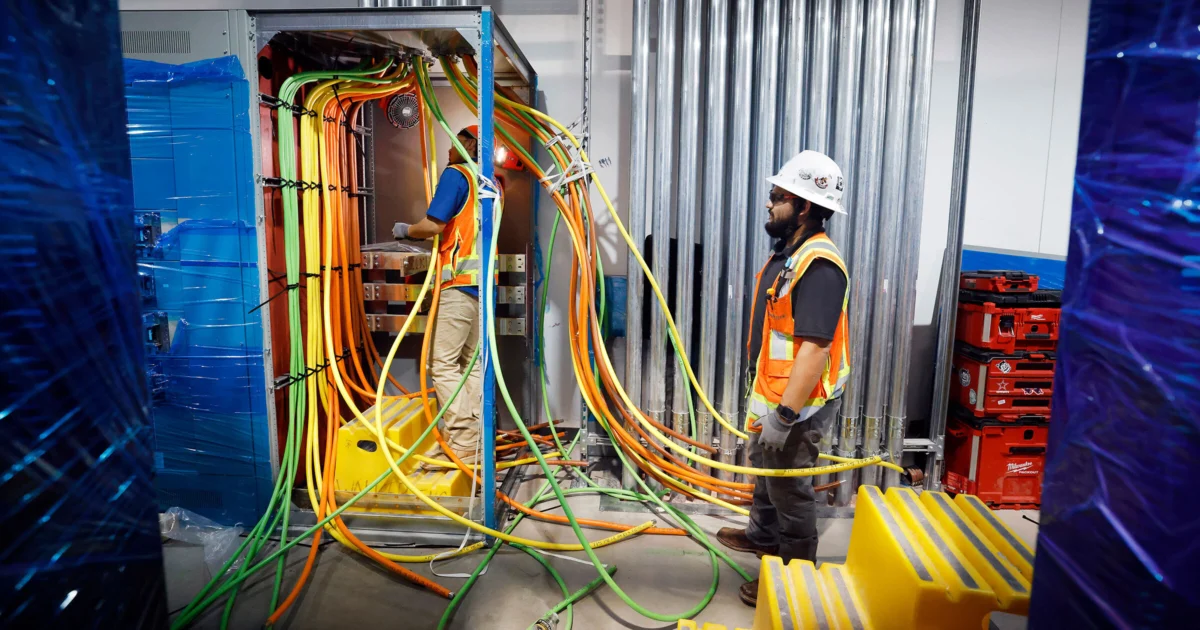
While established economic headwinds like persistent, unchecked inflation and the pervasive issue of stagnant wages undoubtedly cast a long shadow over both housing supply and demand, a novel and increasingly potent factor is emerging from the technological frontier: the insatiable appetite for AI data centers. The frenetic pace at which these colossal computing facilities are being erected to power the artificial intelligence revolution is, inadvertently but profoundly, siphoning off the very skilled trades workers who would otherwise be constructing much-needed new homes. This phenomenon creates a peculiar economic paradox, where technological advancement inadvertently contributes to a fundamental societal problem.
According to a recent report by the policy publication The Center Square, the scramble to build the physical infrastructure for the AI boom is directly impacting the residential construction sector. In a candid interview with CS, Ed Brady, the CEO of the Home Builders Institute (HBI), shed light on the severity of the situation. Brady articulated that the American skilled trades industry is already operating with a staggering deficit of approximately 300,000 workers across all sectors. Critically, he notes that the limited pool of available skilled laborers is increasingly gravitating towards the lucrative and seemingly endless pipeline of jobs offered by the tech industry’s new data center projects. "The market is not as strong," Brady told the outlet, referring to residential construction, "and so today many of those people that were in housing are going to these data centers."
The implications of this shift are far-reaching. Residential construction, particularly the building of single-family homes, is traditionally a labor-intensive industry requiring a diverse array of skilled professionals. Electricians, plumbers, HVAC technicians, carpenters, masons, roofers, and general laborers are all essential components of the home-building ecosystem. The demand for these same highly skilled individuals is now intensely competitive, as data center projects often offer more consistent work, higher pay scales, and opportunities for specialized training in cutting-edge technologies. These facilities, essentially massive warehouses packed with servers, cooling systems, and intricate power grids, demand an enormous amount of specialized electrical and mechanical work, often on tight deadlines, making them attractive employers for skilled tradespeople.
Brady’s analysis also places the current predicament within a broader historical context. He acknowledges that the labor supply in the construction industry has been on a downward trajectory since the Great Recession of 2008. That economic downturn saw a mass exodus of construction workers from the industry, many of whom never returned. The housing bust led to a significant decrease in demand for new homes, prompting a generation of skilled workers to seek employment in other sectors or retire early. Furthermore, for years, vocational training and trade schools have received less emphasis and funding compared to four-year university degrees, contributing to a pipeline problem for new entrants into the trades. This long-standing issue has now converged with the unprecedented demand from the data center sector, creating a perfect storm for residential construction.
The scale of the data center boom is truly staggering. Fueled by the exponential growth of artificial intelligence, cloud computing, big data analytics, and the Internet of Things (IoT), companies like Google, Amazon, Microsoft, and Meta are investing billions in building new facilities or expanding existing ones. These projects are often massive in scope, covering hundreds of thousands of square feet and requiring thousands of megawatts of power. Each facility is a complex engineering marvel, demanding not only general construction skills but also highly specialized knowledge in areas like high-voltage electrical systems, advanced cooling technologies, and sophisticated network infrastructure. The sheer volume and capital intensity of these projects allow them to outbid residential builders for scarce labor resources, offering wages and benefits that are difficult for smaller, less capitalized home construction firms to match.
The consequences of this labor drain extend far beyond the immediate construction sites. A dwindling supply of new homes directly exacerbates the existing housing affordability crisis. With fewer homes being built, the supply struggles to keep pace with population growth and household formation, driving up prices for both existing homes and new constructions. This makes homeownership an increasingly distant dream for many, particularly first-time buyers and those in lower-income brackets. The lack of affordable housing has ripple effects throughout the economy and society, impacting economic mobility, perpetuating wealth inequality, and potentially leading to social instability in highly impacted regions. Communities face challenges in attracting and retaining workers if housing costs become prohibitive, creating a vicious cycle.
Moreover, the problem is not merely about attracting workers, but also about the national commitment to developing future talent. "This problem is going to get even more and more exaggerated and acute to the housing industry because of the data center construction," Brady warned, underscoring the urgency of the situation. He further lamented, "and we’re not putting enough money into training the future generations of skilled labor." This highlights a critical societal failure to invest adequately in vocational education and apprenticeship programs that are vital for sustaining these essential trades. Without a concerted effort to replenish the skilled labor pool, the competition between industries will only intensify, with residential housing likely remaining on the losing end.
To mitigate this growing crisis, a multi-faceted approach will be necessary. This could include significant government investment in vocational schools and apprenticeship initiatives, perhaps even specific programs designed to attract young people to the trades with promises of stable, well-paying careers. Policy makers might also consider incentives for residential construction companies to invest in training their own workforce or explore innovative building techniques like modular or prefabricated housing, which can reduce on-site labor demands. Furthermore, a broader re-evaluation of immigration policies to attract skilled tradespeople could also be part of a comprehensive solution.
Ultimately, the rise of AI and the foundational infrastructure it requires are undeniable forces shaping our future. However, the unintended consequences of this rapid technological expansion, particularly its impact on fundamental societal needs like housing, demand urgent attention. The current trajectory suggests that without proactive measures to address the skilled labor shortage and ensure a balanced allocation of resources, the dream of homeownership for many Americans will continue to recede, trapped in the shadow of ever-expanding data centers. As experts like Ed Brady warn, the problem is not just about today’s housing market, but about a looming crisis that could define the economic landscape for years to come.
More on data centers: The Economics of Data Centers Creating Jobs Are So Bad That They Sound Like a Joke