anjir abdul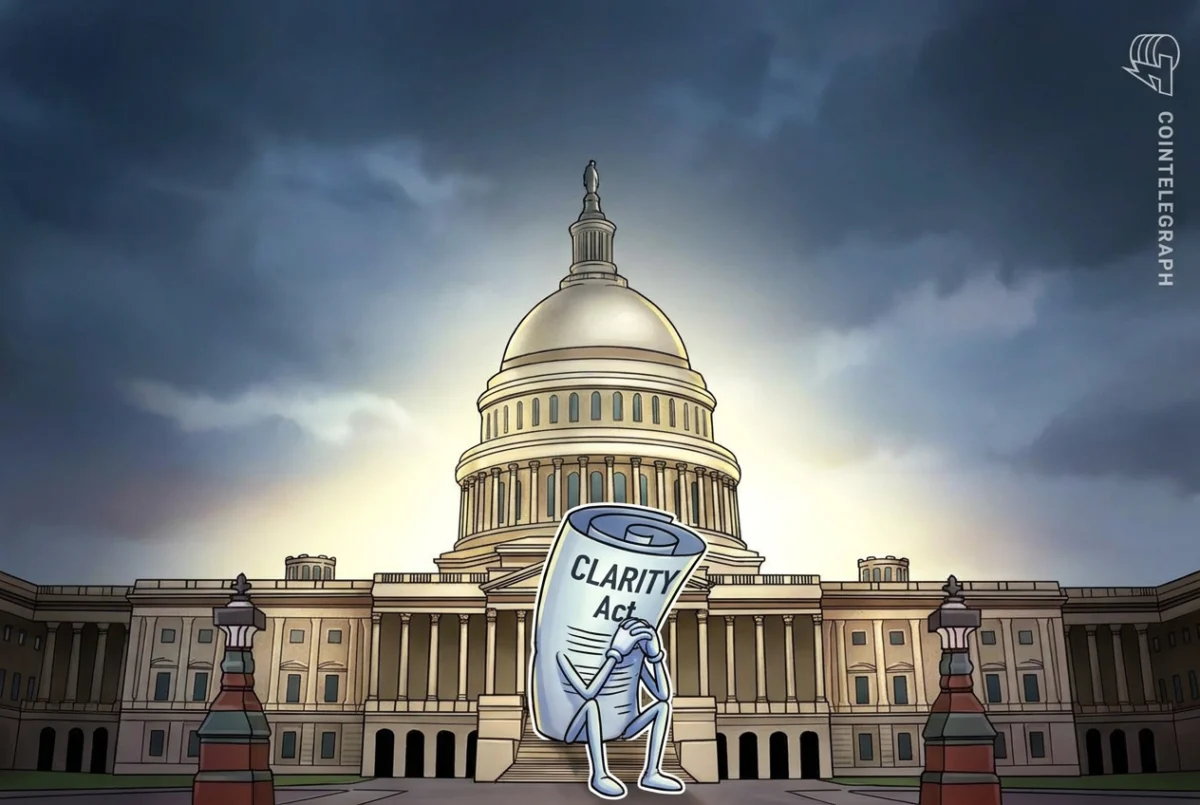
Despite a recent setback in the Senate, the CLARITY Act, a pivotal piece of legislation aimed at establishing a comprehensive regulatory framework for digital assets in the United States, is being reconsidered for another attempt during the post-election lame-duck session of Congress, according to Adrian Wall, managing director of the Digital Sovereignty Alliance. Wall’s assertion, made during Cointelegraph’s Chain Reaction show on X, stems from direct conversations with bipartisan senators, indicating a persistent, albeit challenging, appetite to advance the bill before the current Congress concludes its term.
The news of a potential revival comes swiftly after the CLARITY Act failed to secure the necessary 60 votes in a Senate cloture vote earlier this week, effectively stalling its progress. This outcome was widely seen as a significant blow to the crypto industry’s hopes for clear regulatory guidelines. However, Wall’s insights suggest that the legislative journey for digital asset regulation is far from over. "There is an appetite to put this forward even during the lame duck period of Congress," Wall stated, acknowledging the inherent difficulties. "Is it easy? No. It’s going to be very complicated. It’s a long shot." The weight of his remarks is amplified by his claim of hearing this possibility "directly from senators on both sides," rather than merely from congressional staff, indicating a strategic, high-level consideration among lawmakers to "engage the other side and see if there’s a last chance to do it."
The CLARITY Act, formally known as the Crypto-Ledger Asset Regulatory Uniformity and Transparency Act, represents a concerted effort to bring regulatory certainty to the burgeoning digital asset market in the U.S. Its primary objective is to delineate the jurisdictional boundaries between the Commodity Futures Trading Commission (CFTC) and the Securities and Exchange Commission (SEC), a long-standing point of contention that has plagued the industry. Currently, the lack of clear definitions for various digital assets has led to what many in the crypto space describe as "regulation by enforcement," where the SEC, under Chairman Gary Gensler, has taken an aggressive stance, classifying numerous cryptocurrencies as unregistered securities and initiating legal actions against prominent crypto firms. This approach has fostered an environment of uncertainty, hindering innovation and driving some businesses offshore.
Proponents of the CLARITY Act argue that a well-defined regulatory framework is crucial for fostering innovation, protecting consumers and investors, and maintaining the U.S.’s competitiveness in the global digital economy. The bill seeks to categorize certain digital assets as commodities, placing them under the CFTC’s purview, while clearly defining what constitutes a security in the crypto context, thus allowing the SEC to focus on its traditional role. This clarity is seen as essential for institutional adoption, market stability, and for attracting and retaining talent and capital within the U.S. borders.
The recent cloture vote failure underscored the persistent political hurdles facing comprehensive crypto legislation. A cloture vote in the Senate is a procedural motion to end debate on a bill and force a vote on its passage. It typically requires a three-fifths majority, or 60 votes, to pass. Falling short of this threshold indicates that while there might be significant support, a strong minority or a lack of consensus prevented its advancement, likely due to a combination of political maneuvering, differing policy priorities, and lingering concerns from some lawmakers regarding the risks associated with digital assets. Wall described Tuesday’s vote as a "huge blow," reflecting the frustration felt by industry advocates.
However, the concept of a "lame-duck session" offers a unique window of opportunity. This period occurs after a general election but before the newly elected Congress takes office. It’s often characterized by a mix of legislative urgency and political calculus. Outgoing members, no longer beholden to the pressures of re-election, might be more inclined to compromise or vote on contentious issues. Simultaneously, current members may seek to pass "legacy" legislation or address pressing matters before a potential shift in power or priorities with the new Congress. Historically, lame-duck sessions have seen the passage of significant legislation, including appropriations bills, defense authorizations, and occasionally, complex policy reforms.
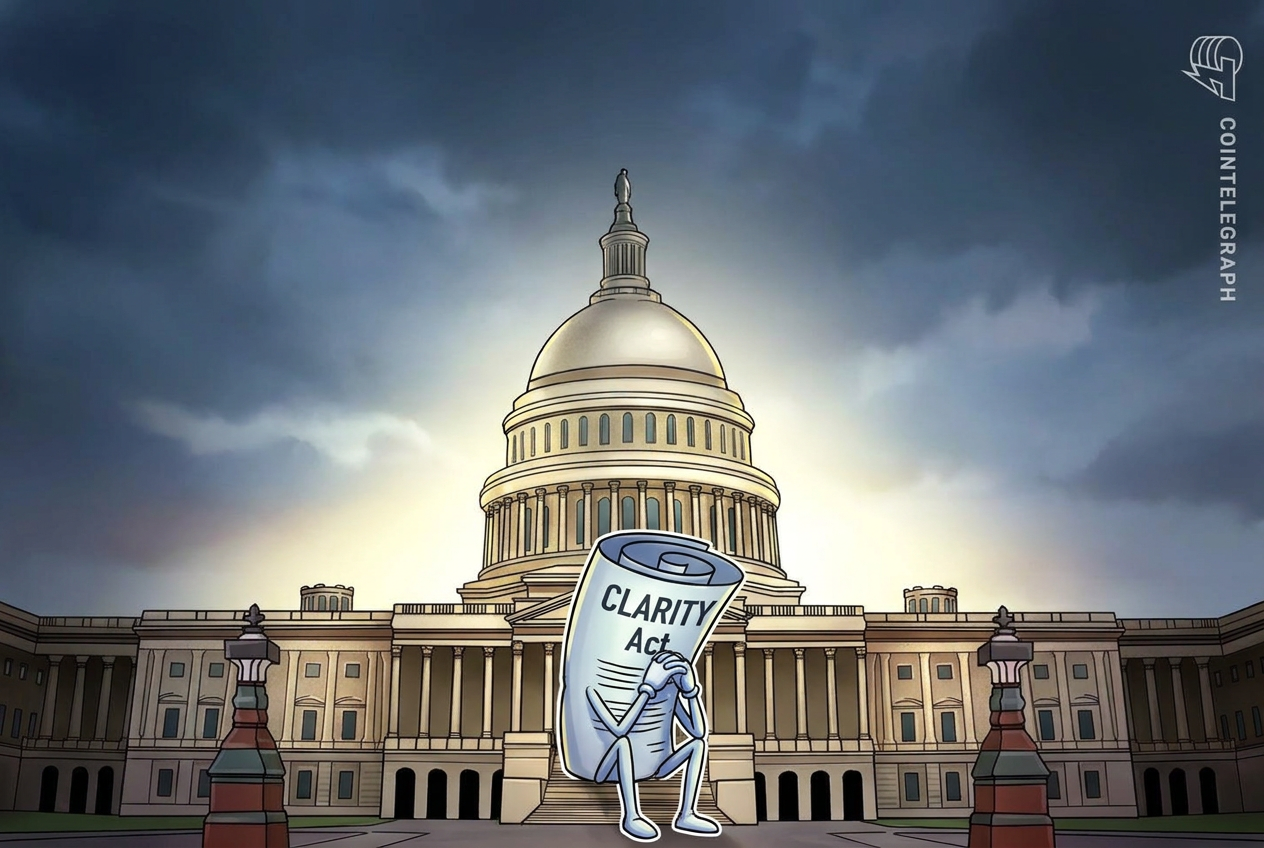
For the CLARITY Act, a lame-duck push would be "very complicated" and a "long shot," as Wall noted. Congress typically faces a packed agenda during this time, often prioritizing must-pass legislation like government funding bills or addressing urgent national security matters. Introducing a complex and potentially controversial bill like crypto market structure legislation would require significant political will, bipartisan cooperation, and a willingness to compromise on various provisions. Opponents might raise concerns about consumer protection, money laundering risks, market volatility, or simply the timing, arguing that such a significant policy shift should await the new Congress.
The Digital Sovereignty Alliance, the nonprofit advocacy group Wall represents, plays a crucial role in engaging lawmakers and regulators on digital asset policy. Their mission to foster sensible regulation aligns directly with the goals of the CLARITY Act. Wall’s direct engagement with senators from both parties is a testament to the DSA’s influence and the growing recognition among lawmakers of the need for regulatory clarity. His insights provide a rare glimpse into the backroom discussions and strategic considerations that often precede major legislative pushes. The "appetite" he observes among senators suggests that despite the recent defeat, there’s a foundational belief among some legislators that the current regulatory ambiguity is unsustainable and detrimental to the U.S. economy.
The broader context of U.S. crypto regulation further highlights the urgency. The U.S. has lagged behind other major economies, such as the European Union with its Markets in Crypto-Assets (MiCA) regulation and the United Kingdom’s ongoing efforts to establish its own framework. This regulatory vacuum in the U.S. has led to a fragmented landscape where states often develop their own rules, creating a patchwork that complicates operations for businesses. The ongoing "turf war" between the SEC and CFTC, exacerbated by the lack of clear legislative guidance, has created an environment where companies face potential legal challenges regardless of their efforts to comply. Bills like the CLARITY Act and the FIT21 Act (Financial Innovation and Technology for the 21st Century Act), which passed the House, aim to resolve this jurisdictional dispute and provide a clear path forward.
Should a lame-duck attempt for the CLARITY Act fail, Wall’s outlook suggests that the fight for comprehensive crypto regulation would simply shift to the next Congress. "If another attempt during the lame-duck session fails, he said the next Congress could ‘pick up the pen’ on crypto market structure legislation." This perspective underscores the long-term nature of policy-making, especially for emerging technologies. The growing political power of the crypto lobby, evidenced by increasing campaign contributions and dedicated advocacy groups, suggests that digital asset regulation will remain a prominent issue on Capitol Hill, regardless of who holds power. A new Congress, potentially with a different political composition or a new administration, could bring fresh perspectives or renewed impetus to tackle the issue, although the specific legislative vehicle might change.
In conclusion, the CLARITY Act stands at a critical juncture. Its recent failure in the Senate was a setback, but Adrian Wall’s insights from the Digital Sovereignty Alliance reveal a persistent undercurrent of bipartisan interest in pushing for its passage during the lame-duck session. While a "long shot" due to the complexities and competing priorities of a post-election legislative period, the perceived necessity for clear digital asset regulation continues to resonate among key lawmakers. The outcome of any potential lame-duck effort will be closely watched by the crypto industry, determining not just the immediate future of regulatory certainty in the U.S., but also shaping the broader global landscape for digital innovation and financial technology.