anjir abdul
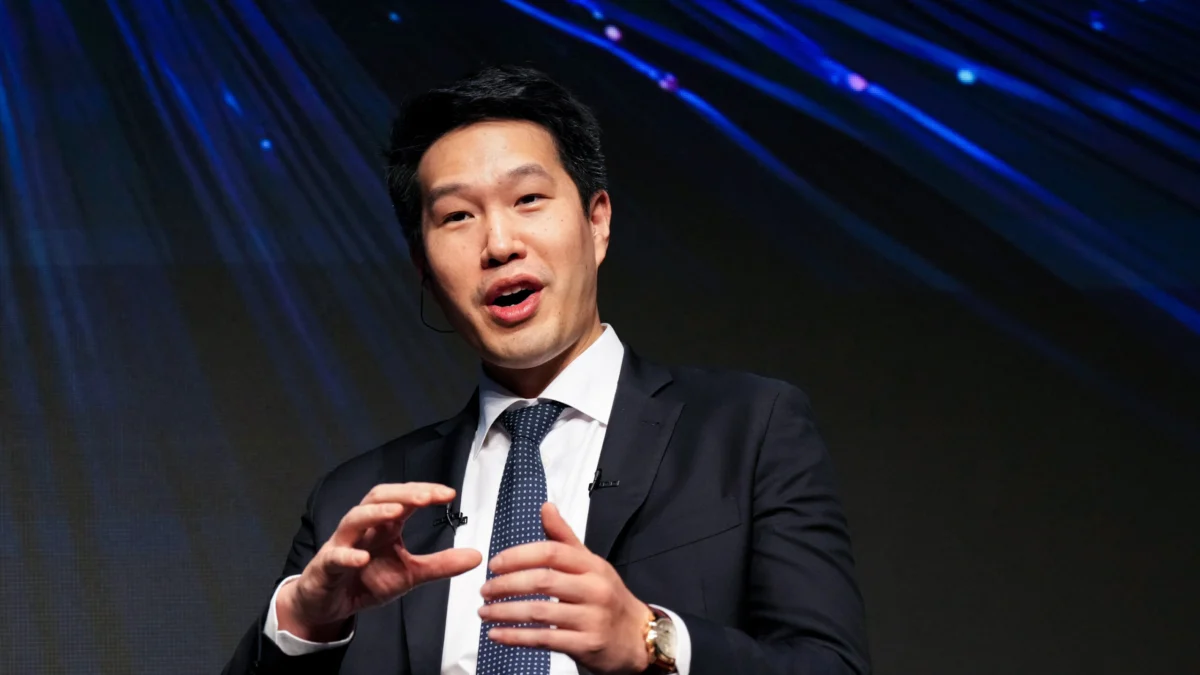
Himanshu Sahay, co-founder and chief revenue officer at Arch Lending, revealed the company’s ambitious plans during an interview on Cointelegraph’s Chain Reaction podcast, stating that the lender intends to enter this market "pretty soon." Sahay emphasized the pressing need for credit against tokenized stocks, a sector that has witnessed rapid expansion over the past year but still presents limited lending options. He anticipates a substantial influx of new lenders into this nascent yet promising market, driven by the inherent advantages tokenized assets offer.
Tokenized equities represent shares of traditional companies, exchange-traded funds (ETFs), or other securities that have been digitally issued and recorded on a blockchain. This process transforms conventional assets into programmable, divisible, and globally accessible tokens, bringing forth benefits such as fractional ownership, 24/7 trading capabilities, enhanced transparency, and potentially faster settlement times. Firms like Superstate, Robinhood, and Securitize have been at the forefront of issuing these tokenized securities, creating a foundational layer for their integration into broader financial markets. Sahay’s prediction underscores a growing industry consensus that multiple financial institutions will eventually participate in providing credit against these digitally native assets, thereby fostering a more robust and liquid market.
Arch Lending’s expansion into tokenized equities is a natural progression of its strategic diversification beyond purely crypto-native collateral. The company has already ventured into loans backed by tokenized real-world assets (RWAs), having recently launched offerings collateralized by Paxos Gold and Tether Gold. This prior experience with tokenized commodities demonstrates Arch Lending’s capability to manage and assess the risks associated with non-crypto assets on-chain, laying the groundwork for a seamless transition into tokenized equities. Despite these diversification efforts, Bitcoin (BTC) still dominates Arch Lending’s existing loan book, accounting for over 80% of its collateral. However, Sahay also noted a growing interest in XRP as collateral, particularly among United States-based borrowers, indicating a dynamic and evolving demand landscape within their current operations.

The move by Arch Lending is not an isolated incident but rather a clear indication of a broader industry trend towards integrating tokenized securities into lending and collateral products. Several key players have already made significant strides in this domain, paving the way for wider adoption. In February, Ondo Finance, a prominent DeFi protocol, launched dedicated lending markets for two of its tokenized ETFs through an integration with the lending protocol Morpho. This innovative solution allows holders of Ondo’s tokenized versions of the SPDR S&P 500 ETF and the Invesco QQQ to utilize these assets as collateral for borrowing on the Ethereum blockchain. This mechanism effectively bridges traditional market exposure with DeFi’s liquidity advantages, offering investors novel ways to leverage their portfolios.
Beyond direct lending markets, tokenized stocks are finding diverse applications within the crypto ecosystem. Kraken, a leading cryptocurrency exchange, made 10 xStocks eligible to back futures and margin positions in July. This development means that users can now use tokenized representations of traditional equities to secure their leveraged trading activities on the platform, further enhancing capital efficiency and expanding the utility of these digital assets. Similarly, Coinbase’s B20 stocks, which launched on the Base network in August, were designed with integrated price-feed infrastructure, notably utilizing Chainlink oracles. This robust data oracle network is crucial for providing accurate and real-time pricing information, which is indispensable for supporting various DeFi use cases, including borrowing, lending, and derivative products, by ensuring reliable risk management and liquidation processes.
The accelerated growth in lending use cases for tokenized equities is directly correlated with the overall expansion of the tokenized equities market itself. Data from RWA.xyz, a leading analytics platform for real-world assets on-chain, illustrates this impressive trajectory: the total distributed value of tokenized stocks has surged from approximately $630 million a year ago to an impressive $3.15 billion. This remarkable increase of nearly 400% in a single year underscores the rapidly increasing institutional and retail interest in these assets. Several factors contribute to this exponential growth, including heightened awareness of the benefits of tokenization, the maturation of underlying blockchain infrastructure, and a growing acceptance among traditional financial entities exploring digital asset strategies.
The implications of this trend are far-reaching, hinting at a future where the lines between traditional finance (TradFi) and decentralized finance (DeFi) become increasingly blurred. For investors, tokenized stocks offer unprecedented flexibility and accessibility. For instance, fractional ownership allows individuals to invest in high-value stocks with smaller capital outlays, democratizing access to premium assets. The 24/7 trading capability inherent in blockchain technology means that markets are always open, eliminating traditional trading hour restrictions and enabling immediate responses to global events. Moreover, the transparency and immutability of blockchain records can enhance trust and reduce fraud in securities transactions.

For lenders like Arch Lending, entering this market presents significant opportunities for innovation and growth. By providing credit against tokenized stocks, they tap into a new pool of collateral that is typically less volatile than pure cryptocurrencies, potentially offering more stable and predictable lending environments. The on-chain nature of these assets also allows for automated collateral management, real-time risk assessment, and efficient liquidation processes via smart contracts, reducing operational costs and counterparty risks associated with traditional lending. However, this emerging market also comes with its own set of challenges. Regulatory clarity remains a critical hurdle, as different jurisdictions are still grappling with how to classify and govern tokenized securities. Issues such as custody solutions, interoperability between different blockchain networks, and ensuring sufficient market depth for liquidations are also key considerations for lenders and platforms.
The prediction by Himanshu Sahay that "more lenders will enter the market" for tokenized equities is rooted in the fundamental economic principle of supply and demand. As the supply of tokenized assets grows and their utility expands, the demand for financial services built around them, especially lending, will inevitably follow. Increased competition among lenders is likely to benefit borrowers through more favorable interest rates, diverse product offerings, and improved user experiences. This competitive landscape will also drive further innovation in risk management models, oracle solutions, and collateralization strategies tailored for tokenized real-world assets.
In conclusion, Arch Lending’s strategic pivot towards tokenized stocks as a primary collateral market marks a significant milestone in the evolution of both crypto lending and the broader financial industry. It underscores the accelerating trend of tokenizing real-world assets and integrating them into the DeFi landscape, bridging the gap between traditional finance and decentralized blockchain technology. As more issuers bring equities on-chain and more lenders like Arch Lending recognize the immense potential for liquidity and capital efficiency, the tokenized stock market is poised for continued explosive growth, fundamentally reshaping how investors access, manage, and leverage their assets in the digital age. The collaborative efforts of issuers, lending protocols, and infrastructure providers are collectively forging a new financial paradigm where assets are more liquid, accessible, and programmable than ever before.