anjir abdul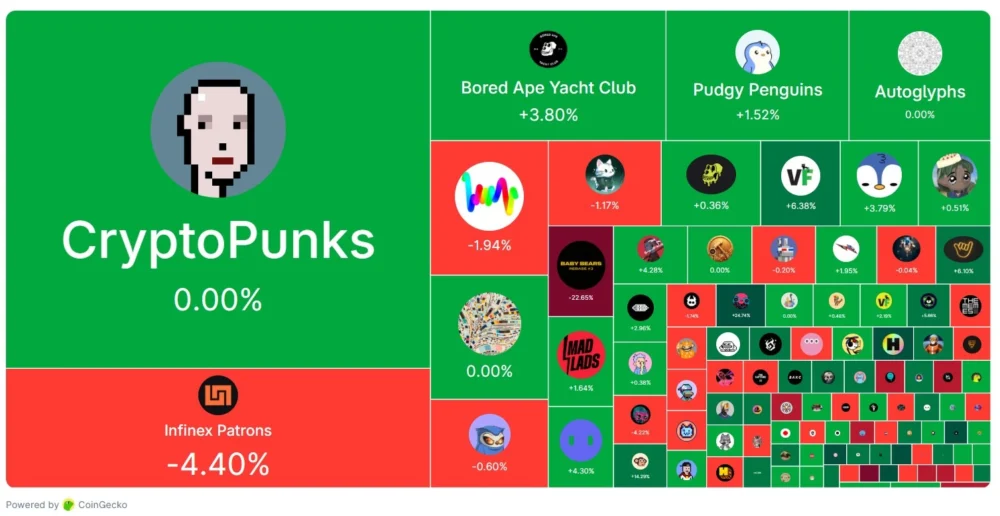
Animoca Brands, a global leader in gamification and blockchain, has decisively deepened its commitment to the burgeoning digital collectibles sector with the strategic acquisition of Somo, a pioneering company specializing in playable, streamable, and tradable collectibles. This move significantly expands Animoca’s already formidable footprint in Web3-native entertainment, integrating Somo’s innovative offerings into its expansive portfolio of blockchain-based platforms and positioning the conglomerate for robust growth amidst a nascent resurgence in the non-fungible token (NFT) market in early 2026.
The acquisition, publicly announced on a Wednesday in early 2026, marks a pivotal moment for both companies. Animoca Brands articulated its ambitious plans to seamlessly integrate Somo into its broader Web3 ecosystem. This integration is designed to foster synergistic growth, leveraging Animoca’s unparalleled cross-promotional capabilities, shared technological infrastructure, and an extensive global network of partners to accelerate Somo’s brand development and market penetration. The rationale behind the acquisition is clear: to consolidate and amplify Animoca’s influence in the evolving digital ownership landscape, particularly as the market shows signs of renewed vitality.
Yat Siu, co-founder and executive chairman of Animoca Brands, underscored the strategic significance of the deal. "Somo is building what we envision as the cultural operating system for collectibles, an initiative that perfectly complements our existing portfolio and long-term vision," Siu stated. He further elaborated on the company’s intent: "By bringing Somo into the Animoca Brands ecosystem, we aim to connect it to our global network of games, communities, and partners, unlocking unprecedented opportunities for innovation and growth within the Web3 space." This statement highlights Animoca’s ambition to create a cohesive, interconnected digital realm where collectibles are not just static assets but dynamic components of a living, breathing digital culture. Somo’s focus on "playable, streamable, and tradable" collectibles suggests a move beyond mere static image NFTs towards interactive, utility-driven digital items that can be experienced, shared, and exchanged within virtual environments, potentially setting a new standard for engagement in the Web3 era.
The timing of this high-profile acquisition is particularly noteworthy, coinciding with a discernible uptick in the non-fungible token market. After a protracted period of consolidation and decline throughout much of 2025, the NFT market demonstrated renewed momentum in the initial weeks of 2026. Market capitalization, a critical indicator of overall sector health, climbed by approximately 20% within the first two weeks of the year, signaling a potential turning point for an asset class that had faced considerable headwinds. This rebound suggests a renewed investor confidence and a burgeoning interest from both retail and institutional players, eager to capitalize on what many hope is the dawn of a new NFT cycle.
NFT Market Cap Climbs 20% in the First Two Weeks of 2026
The global NFT market capitalization experienced a significant surge in the opening fortnight of 2026, registering an impressive approximately 20% increase. According to comprehensive data aggregated by CoinGecko, the market cap ascended from an estimated $2.5 billion on January 1st to surpass $3 billion by the aforementioned Wednesday. This upward trajectory represents one of the NFT market’s most robust short-term recoveries in over a year, following a prolonged and challenging market slump that had exerted significant downward pressure on prices, trading volumes, and overall activity throughout 2025.

The preceding year, 2025, had been characterized by widespread skepticism, a substantial decline in trading volumes, and a noticeable retreat of speculative capital. Many projects struggled to maintain relevance or deliver on their roadmaps, leading to what some analysts dubbed an "NFT winter." Reports from late 2025 indicated that NFT sales had hit their lowest levels in years, with market capitalization plummeting by as much as 66% from previous highs. This protracted downturn had led to a significant shakeout, weeding out many unsustainable projects and forcing others to pivot towards greater utility and community engagement. The early 2026 rebound, therefore, arrived as a much-needed breath of fresh air, rekindling hopes for a more sustainable and mature market cycle.
Further analysis from CoinGecko data revealed that a substantial portion of these gains materialized in a sharp jump between Tuesday and Wednesday of that week. On Tuesday, the NFT market cap hovered just below $2.7 billion. However, in a remarkable 24-hour period, it surged past the $3 billion mark, recording an impressive $300 million gain. This rapid appreciation was not isolated; it was accompanied by a significant 18.7% increase in 24-hour trading volume, suggesting a surge in active participation and liquidity. Such concentrated buying activity often signals a broader shift in market sentiment, driven by renewed interest and capital inflow.
The community’s response to this sudden upturn was immediate and varied. A prominent X (formerly Twitter) user, @MintKingX, widely recognized for their insightful market commentary, attributed the "pump" to a confluence of factors: the resurgence of "blue-chip" NFTs, a notable increase in high-value sales, and the strategic airdropping of tokens by nascent NFT projects. "We’ve seen this pattern before," @MintKingX remarked, encapsulating the cautious optimism prevalent among seasoned market participants. "Is 2026 the next NFT cycle or just a fake bounce?" This question resonated widely, reflecting the collective memory of past market exuberance followed by sharp corrections, and highlighting the ongoing debate about the long-term sustainability of the NFT market.
The "blue-chip" NFT phenomenon, referencing established and highly valued collections such as the Bored Ape Yacht Club, CryptoPunks, or even newer collections that had weathered the 2025 downturn, played a crucial role. These collections, often seen as bellwethers for the broader market, saw renewed buying interest, driving up floor prices and signaling confidence. High-value sales, involving rare 1/1 digital artworks, unique metaverse land parcels, or exclusive in-game assets, further underscored the return of serious collectors and investors willing to pay premium prices for scarcity and perceived value. The strategy of airdropping tokens by new NFT projects also proved effective, generating buzz and incentivizing early adopters, often leading to increased trading activity and speculative interest around these nascent ecosystems.
NFTs Are Still Down 59% Year Over Year
Despite its encouraging recent gains, it is crucial to contextualize the NFT sector’s current standing within its historical performance. The market remains significantly below its previous cycle highs, a stark reminder of how compressed valuations have become over the past year. On January 14, 2025, just a year prior to this rebound, the NFT market capitalization stood at approximately $7.3 billion. This means that, even with the impressive recent bounce, the sector is still down by a substantial 59% year over year. This figure underscores the profound impact of the 2025 bear market and highlights the considerable journey ahead for NFTs to regain their former peak valuations.
This comparison also serves as a sobering reminder that while a 20% gain in two weeks is significant, it is a recovery from a much lower base. For the market to truly reach its previous all-time highs, let alone surpass them, it would require sustained growth, significant new capital inflow, and perhaps, more robust utility beyond speculative trading. Analysts suggest that a genuine, sustainable recovery would need to be driven not just by speculative fervor but by fundamental improvements in technology, broader mainstream adoption, and clear, practical applications for NFTs across various industries.

The evolution of NFT utility is paramount to achieving this long-term growth. Beyond digital art and collectibles, 2026 is seeing an acceleration in the integration of NFTs into gaming, digital identity management, ticketing for real-world events, loyalty programs, and even the tokenization of real-world assets. For instance, Somo’s focus on "playable" collectibles aligns perfectly with the burgeoning play-to-earn and metaverse gaming ecosystems, where NFTs represent in-game assets, characters, or virtual land, granting true digital ownership to players. "Streamable" collectibles could open avenues for shared digital experiences, while "tradable" aspects reinforce the economic model inherent in Web3.
The regulatory landscape also plays a critical role. Increased clarity and a more standardized approach to classifying and regulating digital assets could significantly boost institutional confidence and attract traditional investors who have, until now, remained on the sidelines due due to legal uncertainties. Major jurisdictions were actively debating and implementing frameworks for digital assets in early 2026, and any positive developments in this area would undoubtedly catalyze further market growth.
Furthermore, technological advancements continue to enhance the NFT experience. Improvements in blockchain scalability solutions (such as Layer-2 networks), increased interoperability between different blockchain ecosystems, and more user-friendly interfaces are making NFTs more accessible and practical for a broader audience. These innovations address some of the fundamental barriers to entry and adoption that plagued the market in previous cycles, paving the way for a smoother, more efficient, and more engaging user experience.
Animoca Brands, with its strategic acquisitions like Somo and its expansive portfolio spanning various Web3 verticals, is exceptionally well-positioned to capitalize on these trends. By integrating Somo’s unique offerings, Animoca is not merely acquiring a company but is enhancing its capacity to build a comprehensive digital ownership economy. Yat Siu’s vision of a "cultural operating system for collectibles" points towards a future where digital assets are integral to our online identities, entertainment, and economic interactions.
The early 2026 rebound in the NFT market, while still tentative and subject to historical skepticism, offers a glimmer of hope and a renewed sense of purpose for the Web3 community. For Animoca Brands, the acquisition of Somo is a clear signal of confidence in this future, a strategic move to solidify its leadership as the digital collectibles market navigates its complex path towards sustained growth and mainstream integration. Whether 2026 marks a genuine new cycle or merely a significant bounce, companies like Animoca Brands are actively shaping the landscape, pushing the boundaries of what’s possible in the realm of digital ownership and Web3 entertainment.
Cointelegraph is committed to independent, transparent journalism. This news article is produced in accordance with Cointelegraph’s Editorial Policy and aims to provide accurate and timely information. Readers are encouraged to verify information independently. Read our Editorial Policy https://cointelegraph.com/editorial-policy