Faris Adani
In a shocking indictment that reads like a dystopian thriller, a father-son duo in Southern California stands accused of orchestrating the largest sober home fraud scheme ever prosecuted by the U.S. Justice Department. Nathan Young, 39, and his father David Young, 71, are alleged to have run a sophisticated and callous operation from 2020 to 2026, luring vulnerable individuals struggling with addiction into their treatment centers, not for genuine recovery, but to exploit their insurance policies. Instead of providing the promised path to sobriety, prosecutors contend the Youngs deliberately kept patients hooked on illegal drugs, ensuring a continuous stream of billable treatments that ultimately netted them over $210 million from more than $1.6 billion in fraudulent claims submitted to health insurers. This grim narrative, first reported by the Wall Street Journal and amplified by the New York Post, exposes a horrifying betrayal of trust at the heart of the addiction recovery industry, where those seeking salvation found themselves entrapped in a cycle of exploitation for profit.
The alleged scheme was meticulously designed to maximize revenue from private insurance plans, which often offer high reimbursement rates for addiction treatment. At the core of their operation was a perverse incentive structure: rather than fostering recovery, the Youngs’ business model thrived on prolonging addiction. According to Assistant Attorney General Colin McDonald, this unprecedented level of fraud highlights a disturbing trend within a sector critical for public health. The sheer scale of the financial exploitation—over $210 million reaped from billions in claims—underscores the audacious nature of the alleged criminal enterprise and its devastating impact on both individuals and the healthcare system.
To maintain a constant influx of patients, the Youngs reportedly employed a network of recruiters, notoriously known as "body brokers." These individuals were tasked with finding drug-addicted people, many of whom were unhoused or on the fringes of society, particularly in neighboring states. The brokers would spin enticing tales of a fresh start at a "scenic California rehab center," painting a picture of hope and healing. The promise was often too good for desperate individuals to refuse: free flights to California, comfortable accommodations, groceries, and even cash kickbacks. But the most insidious lure, prosecutors claim, was the provision of illegal drugs. By supplying these substances, the Youngs allegedly ensured that patients would relapse or continue their addiction, guaranteeing their continued stay at the treatment centers and, crucially, the ongoing billing of their insurance.
Once these vulnerable individuals were recruited and enrolled, they were coached to sign up for lucrative private insurance plans. Many patients, often unaware of the financial implications or desperate for help, would become unwitting pawns in the Youngs’ intricate scheme. The high reimbursement rates associated with these private plans were the lifeblood of the alleged fraud, turning human suffering into an industrial-scale revenue stream. The criminal complaint details how patients were allegedly instructed to fake or exaggerate their substance addictions, a cynical manipulation designed to string along insurers and extend their coverage for longer periods, thus increasing the total billable amount.
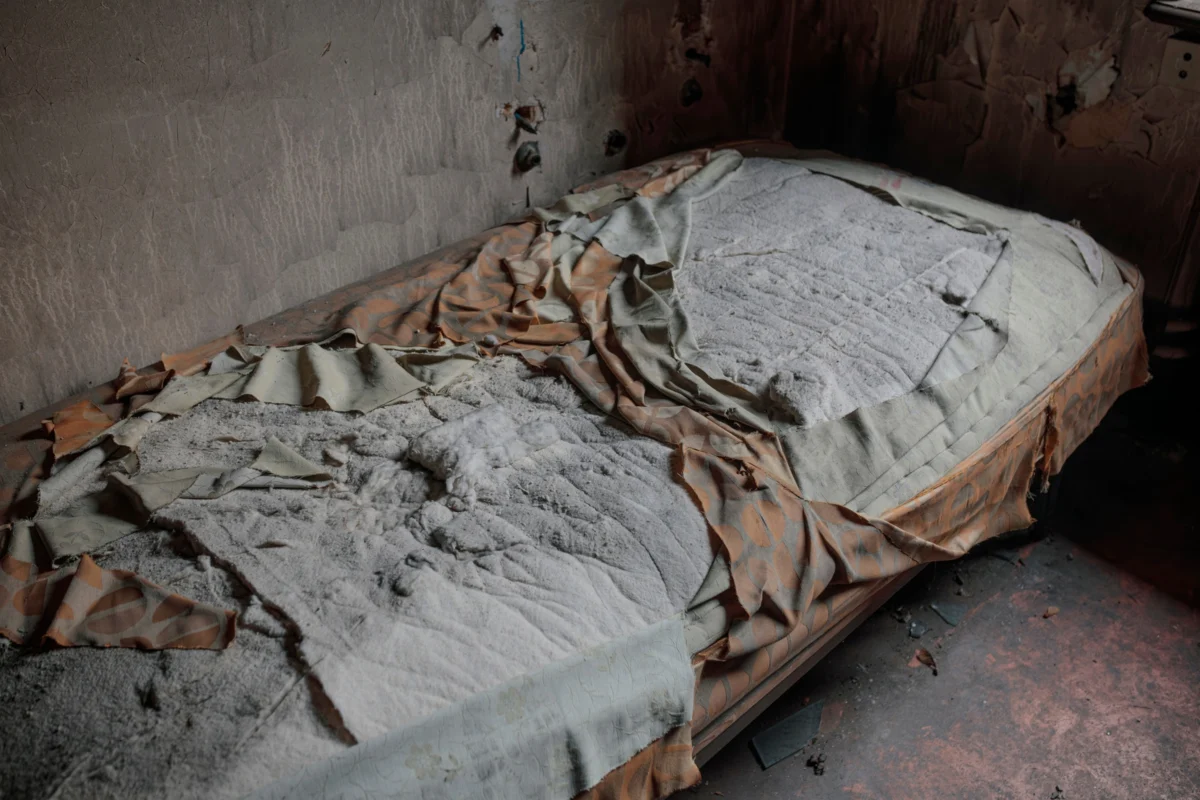
The treatment provided at the Youngs’ facilities was often a sham, designed to appear legitimate on paper while offering little to no actual therapeutic value. Prosecutors described "therapy" sessions that were far from genuine. Patients would log into Zoom calls where participation was not expected, effectively creating a façade of treatment without any real engagement or professional intervention. In other instances, employees were allegedly instructed to take patients out for casual activities like movies and dinners, and then fraudulently bill these outings as "group therapy" sessions. This blatant disregard for ethical treatment protocols and genuine recovery underscored the Youngs’ alleged prioritization of profit over patient well-being. The image of a dirty mattress in a state of disrepair, often associated with such facilities, stands in stark contrast to the "scenic California rehab center" promised by the body brokers.
The most egregious aspect of the alleged scam was the practice of "patient dumping," also known as "curbing." Once a patient’s insurance plan was "milked dry"—meaning no more claims could be submitted—they were unceremoniously kicked out of the facilities. This often occurred without any follow-up care, support, or a plan for continued sobriety, regardless of whether they had achieved recovery or not. First Assistant US Attorney Bill Essayli highlighted the devastating consequence of this practice, stating that "When they couldn’t bill anymore, they’d end up on the streets of California and Los Angeles." This left already vulnerable individuals, many of whom had been lured from other states with false promises, abandoned and often in a worse state than when they arrived, exacerbating the very problems the rehab centers were supposed to solve. The cycle of addiction was not broken; it was exploited, leaving a trail of broken lives and shattered hopes.
The arrests of Nathan and David Young last week mark a significant development in the fight against healthcare fraud. Both men have been charged with healthcare fraud and violating an anti-kickback statute. These charges carry severe penalties, reflecting the gravity of their alleged crimes and the systemic damage inflicted. The Department of Justice’s proactive stance against such elaborate schemes sends a strong message to others who might consider exploiting the vulnerable for financial gain within the addiction treatment industry.
This case casts a stark light on the dark underbelly of a vital industry. While countless legitimate and ethical addiction treatment centers work tirelessly to help individuals achieve sobriety, instances of fraud like the one allegedly perpetrated by the Youngs undermine public trust and divert critical resources away from genuine care. The vulnerability of those battling addiction, especially the unhoused, makes them prime targets for unscrupulous operators. The revelation that treatment centers, meant to be havens of healing, could allegedly become instruments of prolonged suffering and financial exploitation is a chilling reminder of the constant vigilance required to protect society’s most fragile members. As the legal proceedings unfold, this case will undoubtedly serve as a critical precedent, hopefully leading to more stringent oversight and greater protection for those desperately seeking a path to recovery.