Faris Adani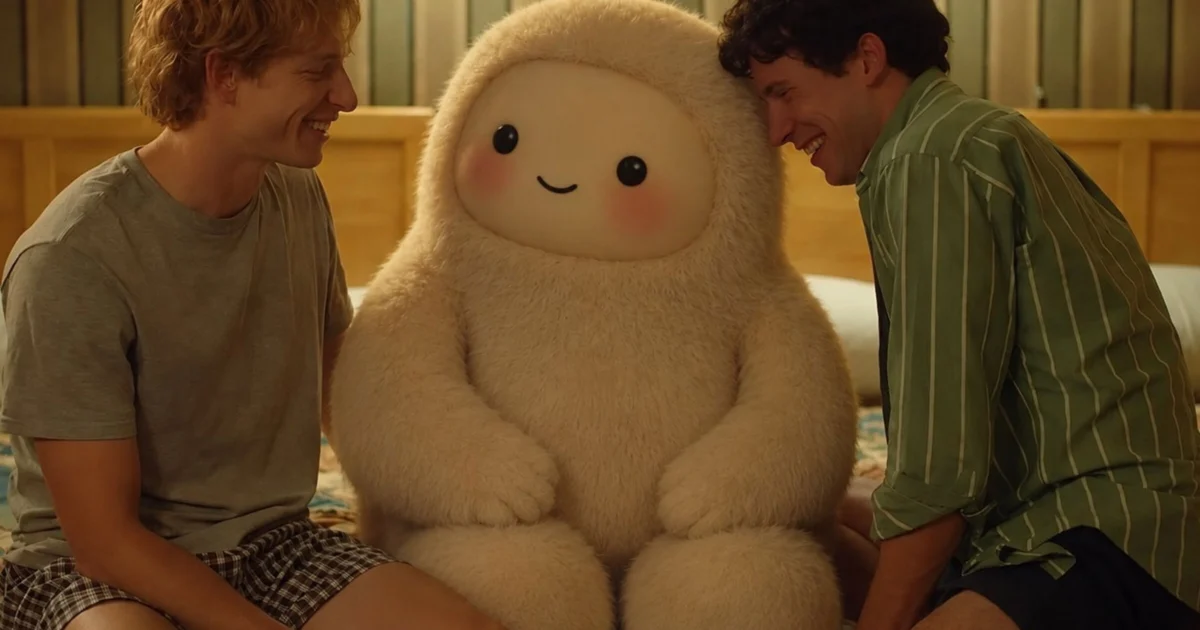
Meta Platforms, Inc., renowned for its ambitious forays into virtual realities and social networking, has recently unveiled its latest artificial intelligence endeavor, Muse, taking a strikingly unconventional and arguably provocative approach to AI product launch by anthropomorphizing its assistant with a meme-ready, overtly cute, and surprisingly risqué mascot named Jolly, which has rapidly become a viral sensation, eliciting both amusement and, as Meta’s own Superintelligence Labs head has observed, a surprising amount of "thirst" from online communities.
In an AI landscape increasingly populated by formidable language models like OpenAI’s ChatGPT, Anthropic’s Claude, and Google’s Gemini, Meta has chosen a path less trodden: investing heavily in a charismatic, if not suggestive, mascot to spearhead its marketing. Unlike its peers, who largely rely on abstract branding and technical prowess, Meta has introduced Jolly, a character that visually lands somewhere between the collectible art toy Labubu and the endearing, bean-shaped figures from the game Fall Guys. This deliberate choice aims to imbue Muse with personality and approachability, transforming a complex AI system into a relatable, even desirable, digital companion. Microsoft made a tentative attempt with its "Mico" Copilot character, a nostalgic nod to 90s animated assistants, but it lacked the aggressive, internet-native marketing push that Meta has orchestrated for Jolly, allowing Meta to carve out a unique niche in the competitive AI market.
The mastermind behind this audacious viral campaign is Alexandr Wang, the youthful and internet-savvy head of Meta’s Superintelligence Labs. Wang has embraced the digital zeitgeist, leveraging AI-generated memes on platforms like X (formerly Twitter) to relentlessly promote Jolly. His strategy is clear: to tap into the raw, often unhinged, energy of internet culture to propel Muse into the collective consciousness. However, Wang’s choice of promotional material has been anything but subtle, frequently venturing into decidedly risqué territory, which has become the "dirty secret" of Muse’s viral success.
Among Wang’s most notable, and controversial, posts is an image depicting Jolly winking over its shoulder, its rear provocatively angled towards the viewer, ostensibly to promote Muse’s integration with the cloud system Box. This suggestive imagery immediately signals Meta’s willingness to push boundaries. Another striking example is an AI-generated recreation of a scene from the 2023 film "Challengers," where Zendaya’s character orchestrates a sexually charged three-way encounter. In Wang’s rendition, Jolly is depicted intimately in bed with two men, directly mirroring the film’s provocative dynamics. These aren’t accidental outputs; they are calculated provocations designed to spark conversation, elicit strong reactions, and, crucially, go viral. Further cementing this audacious approach, Wang posted a meme mocking Maroon 5 singer Adam Levine’s infamous, cringe-worthy sexts, showing the pop star consumed by lust over an Instagram DM featuring Jolly’s derriere. Wang’s self-aware caption, "some of y’all way too thirsty for muse," highlights the intentionality behind inviting such "tawdry memes" and the explicit desire to cultivate a sense of digital infatuation.
The strategy, while controversial, is undeniably effective. The internet, ever eager to embrace and amplify novelty, has responded with a torrent of user-generated content, much of it mirroring or even surpassing the suggestive nature of Wang’s original posts. One regrettable example shows Jolly with its legs spread, in a posture of explicit receptivity. Another user created an AI-generated video of Wang himself petting Jolly’s jiggly posterior, blurring the lines between corporate promotion and user-driven fantasy. Perhaps the most illustrative example of the campaign’s impact on internet culture is the recreation of the infamous "Piper Perri Surrounded" adult meme, replacing the human figures with multiple Jolly mascots surrounding a central, vulnerable-looking figure. These examples underscore the extent to which Meta has successfully, and perhaps intentionally, normalized a degree of digital objectification and sexualization towards its AI mascot, tapping into the human tendency to anthropomorphize and form parasocial relationships, even with inanimate or virtual entities.
The phenomenon of "lusting" after an AI mascot raises fascinating questions about the evolving nature of human-AI interaction. By designing Jolly to be overtly cute, personable, and then marketing it with suggestive imagery, Meta is not just selling an AI; it’s selling a companion, one that users are encouraged to form a deep, albeit digital, connection with. This mirrors historical trends of forming attachments to virtual pets like Tamagotchis, or even earlier, more rudimentary AI chatbots, but amplified by modern meme culture and advanced AI generation capabilities. The ease with which users can now create and share their own interpretations of Jolly further blurs the line between brand narrative and collective fantasy, making the mascot feel less like a corporate creation and more like a shared cultural artifact.
Beyond the shock value and viral memes, Meta is also integrating Muse and Jolly into its broader ecosystem and encouraging adoption by other major platforms. Tech giants like GitHub and Spotify have joined the fray, posting their own Jolly-themed riffs to announce Muse’s integration into their services, demonstrating the campaign’s wide reach and the mascot’s rapid acceptance across the digital landscape. This widespread adoption, driven partly by the mascot’s notoriety, indicates that Meta’s bold strategy is gaining traction not just with individual users but also within the tech industry itself.
To further deepen the companion-like experience, Meta has rolled out features that allow users to customize their Muse mascot, changing its appearance entirely and even giving it a unique voice. This level of personalization is designed to foster a stronger sense of ownership and intimacy with the AI assistant. Taking this concept a step further, Meta also announced a physical, Tamagotchi-like device called a "Charm," which enables users to carry their companion-slash-personal-assistant wherever they go. This tangible connection to a digital entity aims to seamlessly integrate Muse into users’ daily lives, making the AI assistant an ever-present, interactive presence. These features, combined with the omnipresence of Jolly across Meta’s platforms—Instagram, Facebook, and beyond—make the little munchkin truly inescapable, cementing its status as a pervasive cultural icon.
While undeniably effective in generating buzz and rapid adoption, Meta’s risqué marketing strategy for Jolly also opens avenues for ethical discussions. The deliberate sexualization of an AI mascot, even a fictional one, raises questions about setting precedents for human-AI relationships, potential for misuse, and the appropriate boundaries for corporate marketing in an increasingly digital and immersive world. There’s a fine line between playful provocation and problematic content, and Meta, through Wang’s campaign, appears to be intentionally dancing on it. Yet, for now, the strategy appears to be paying off, creating a viral phenomenon that has successfully positioned Muse and Jolly at the forefront of the public’s imagination. As AI continues to evolve and integrate into our lives, Meta’s bold, and often controversial, approach with Jolly offers a fascinating, if sometimes unsettling, glimpse into the future of human-AI companionship and marketing in the digital age.