anjir abdul
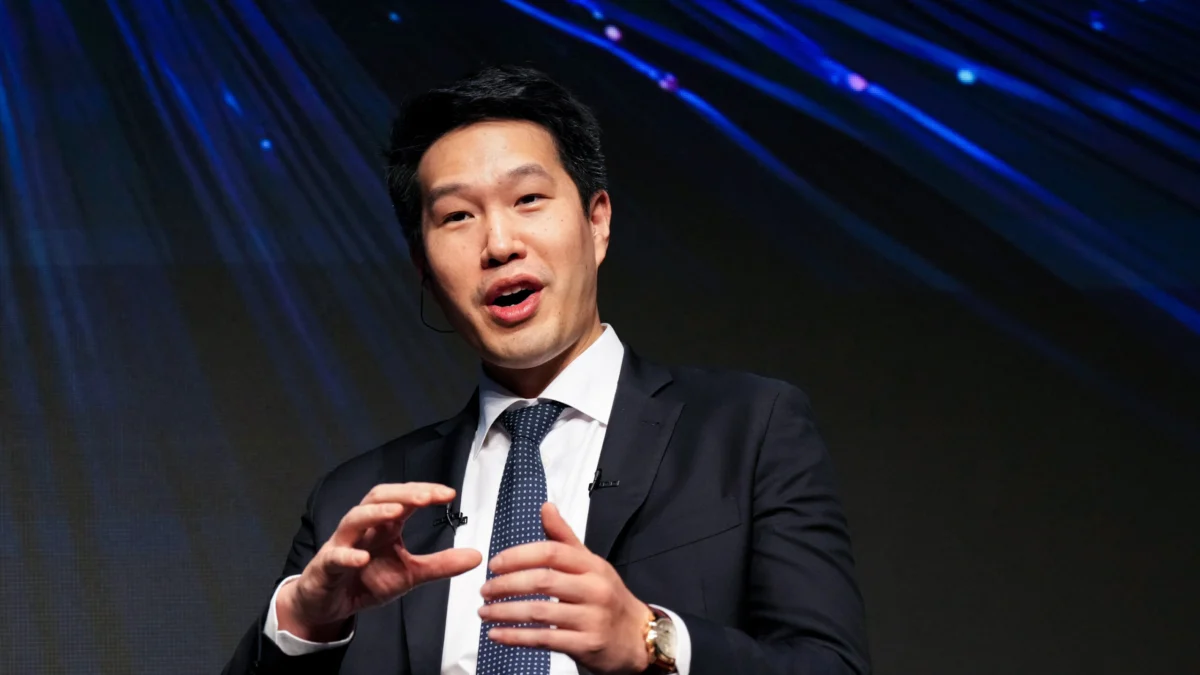
Sahay underscored the remarkable growth witnessed in the tokenized equities market over the past year, a surge that has, paradoxically, outpaced the development of robust lending infrastructure to support it. This imbalance presents a significant opportunity for early movers like Arch Lending. "We plan to enter this market pretty soon," Sahay stated, highlighting the firm’s agility in identifying and capitalizing on emerging credit needs. He articulated a vision where the current limitations in lending against tokenized stocks would soon give way to a more dynamic and competitive landscape, with multiple lenders stepping in to provide essential credit services. This anticipated influx of participants would not only validate the utility of tokenized equities but also foster a more liquid and efficient market for these assets.
The discussion touched upon prominent players actively issuing tokenized equities, including Superstate, Robinhood, and Securitize. These firms are at the vanguard of transforming traditional stock ownership into a blockchain-native format, offering benefits such as fractional ownership, enhanced transparency, and 24/7 trading capabilities. Arch Lending’s move to accept these tokenized assets as collateral is a critical step in building out the financial plumbing necessary for this new asset class to flourish. By enabling holders of tokenized stocks to borrow against their holdings without liquidating them, Arch Lending is creating a powerful financial tool that could significantly boost the appeal and adoption of tokenized securities across retail and institutional investors alike.
This isn’t Arch Lending’s first foray beyond native cryptocurrencies into the broader RWA domain. In recent weeks, the platform has already demonstrated its commitment to diversification by launching loan products backed by tokenized real-world assets such as Paxos Gold and Tether Gold. These earlier initiatives served as valuable proving grounds, allowing Arch to refine its operational processes, risk management frameworks, and technical integrations for handling asset-backed tokens. The experience gained from these ventures undoubtedly provides a solid foundation for the more complex undertaking of integrating tokenized equities, which often involve more intricate regulatory considerations and market dynamics.
Despite the strategic pivot towards RWAs, Sahay confirmed that Arch Lending’s existing loan book remains heavily dominated by traditional crypto assets, with Bitcoin (BTC) alone accounting for over 80% of its collateral. This reflects the foundational role of leading cryptocurrencies in the initial phases of decentralized finance. However, Sahay also noted an intriguing trend: a burgeoning interest in XRP as collateral, particularly among U.S. borrowers. This uptick could be attributed to increasing regulatory clarity surrounding XRP following recent legal developments, which may have bolstered confidence among American investors looking to leverage their holdings. The diversification of collateral, both within crypto and into RWAs, is a testament to Arch Lending’s proactive approach to mitigating risk and expanding its addressable market.
Arch Lending’s entry into the tokenized equity credit market, while significant, is part of a broader trend. The firm would not be the sole pioneer in this nascent but rapidly expanding sector. Several innovative platforms have already begun exploring and implementing solutions for tokenized stocks and exchange-traded funds (ETFs) within lending and collateral products, signaling a collective industry push towards integrating these assets into mainstream financial operations.
A notable example comes from Ondo Finance, which, in February, launched DeFi lending markets for two of its tokenized ETFs through a strategic integration with the lending protocol Morpho. This groundbreaking move allowed tokenized versions of highly popular traditional financial instruments – the SPDR S&P 500 ETF and the Invesco QQQ – to be utilized as collateral for borrowing on the Ethereum blockchain. This initiative by Ondo Finance effectively bridges the gap between traditional ETF investments and the liquidity of DeFi, enabling investors to access capital against their diversified equity holdings without incurring the tax implications or market impact of selling them. It exemplifies the power of tokenization to unlock new financial primitives and enhance capital efficiency.
Beyond direct lending, tokenized stocks are also finding utility in other critical financial applications. Kraken, a prominent cryptocurrency exchange, made headlines in July by making 10 of its "xStocks" eligible to back futures and margin positions. This move significantly expanded the functionality of tokenized equities, allowing them to serve as a versatile form of collateral for more complex trading strategies on a centralized platform. Similarly, Coinbase’s B20 stocks, launched on the Base network in August, were designed with integrated price-feed infrastructure from Chainlink. This robust oracle network is crucial for providing reliable, real-time price data, which is indispensable for supporting various DeFi use cases, including secure borrowing and lending protocols. The availability of accurate and tamper-proof price feeds is a cornerstone for the trust and functionality of any lending market, particularly for assets with fluctuating values.

The surge in lending use cases is a direct reflection of the exponential growth in the tokenized equities market itself. Data from RWA.xyz, a leading analytics platform for real-world assets, illustrates this dramatic expansion. The distributed value of tokenized stocks has skyrocketed from approximately $630 million just a year ago to an impressive $3.15 billion today. This nearly five-fold increase underscores the burgeoning institutional and retail interest in tokenized securities and highlights the vast potential for further expansion. The growth is fueled by a confluence of factors, including technological advancements making tokenization easier, increasing regulatory clarity in certain jurisdictions, and a growing recognition of the operational efficiencies and enhanced liquidity that blockchain technology can bring to traditional financial assets.
The implications of Arch Lending’s move, alongside the broader industry trend, are profound. By integrating tokenized equities into their collateral offerings, Arch is not just expanding its product suite; it is actively contributing to the construction of a more interconnected and efficient global financial system. This development signals a future where the lines between traditional finance and decentralized finance blur, giving rise to a hybrid model that leverages the best attributes of both. Investors holding tokenized stocks will gain immediate access to liquidity without having to sell their assets, enabling them to pursue other investment opportunities or manage short-term financial needs. This enhanced capital efficiency is a significant draw for both individual and institutional investors.
However, the path forward is not without its challenges. Regulatory uncertainty remains a pervasive concern across various jurisdictions, and the legal frameworks governing tokenized securities are still evolving. Ensuring robust smart contract security, preventing oracle manipulation, and managing liquidity fragmentation across different platforms are also critical considerations. Despite these hurdles, the momentum behind tokenized real-world assets, and specifically equities, appears unstoppable. Firms like Arch Lending are not merely reacting to market trends; they are actively shaping the future of finance by building the infrastructure necessary for a tokenized economy to thrive. Their strategic focus on tokenized stocks as the next frontier for collateral marks a pivotal moment in the ongoing convergence of blockchain technology and traditional financial markets, promising a more accessible, liquid, and innovative financial landscape for all participants.