anjir abdul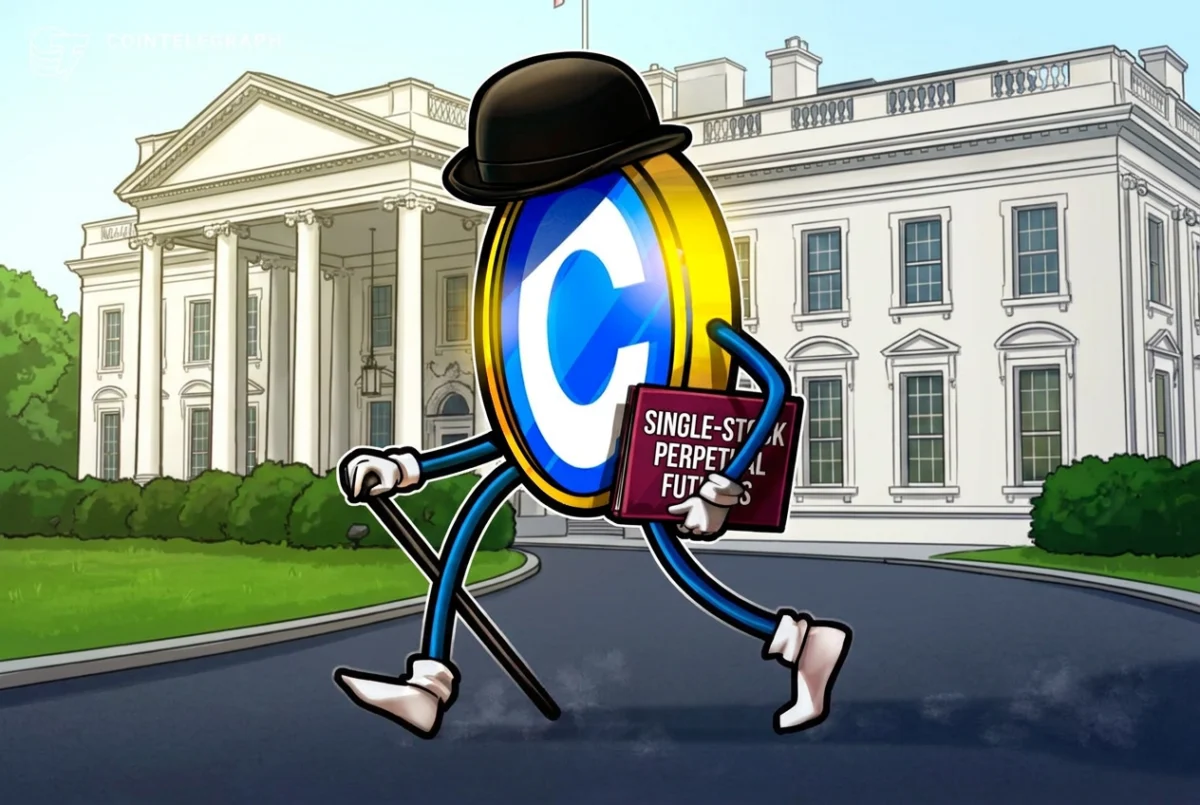
At its core, a perpetual future is a type of derivatives contract that, unlike traditional futures, has no expiration date. This key characteristic allows traders to hold positions indefinitely, as long as they meet margin requirements, making them particularly attractive for long-term speculative strategies or hedging. In the context of single-stock perpetual futures, this means investors could speculate on the price movements of a company like Apple or Microsoft around the clock, five days a week, without the pressure of a looming expiration that forces position closure or roll-over. This continuous trading opportunity is a direct import from crypto markets, where perpetual futures are a dominant trading instrument, offering unprecedented flexibility and liquidity compared to traditional futures that typically have monthly or quarterly expiry cycles. Furthermore, these contracts often allow for significant leverage, amplifying both potential gains and losses, and facilitate both long (betting on price increases) and short (betting on price decreases) positions with relative ease, without the complexities sometimes associated with short-selling actual shares. The ability to trade these instruments without owning the underlying asset makes them capital-efficient, as traders only need to deposit a fraction of the total contract value as margin.
Coinbase’s ambition to introduce this product into the US equities market is not merely an expansion of its product suite; it represents a strategic pivot and an attempt to democratize access to sophisticated financial instruments. The company explicitly stated that these products would build on its existing US perpetual futures market, tailoring the crypto-native structure to individual stocks for American traders. The proposed contracts, classified by the CFTC as single-stock futures, are currently pending the rigorous regulatory approval process. This classification is crucial, as single-stock futures have a complex history in the US, having been initially banned in the early 1980s due to jurisdictional disputes between the SEC and CFTC, only to be re-legalized in 2000 under the Commodity Futures Modernization Act. Despite their reintroduction, their uptake in the US has been relatively limited compared to options or broader index futures, primarily due to the established liquidity and familiarity of existing alternatives. Coinbase’s approach, leveraging the perpetual format, aims to reinvigorate interest in this product category.
The regulatory journey for such a novel offering is multifaceted and challenging. The recent CFTC filing is a critical step, as the CFTC is the primary regulator for futures and derivatives markets in the US. However, Coinbase’s regulatory groundwork began even earlier, with Coinbase Derivatives filing a Form 1-N with the Securities and Exchange Commission (SEC) on September 1. This filing sought to register as a national securities exchange specifically for the purpose of offering security futures. This dual-agency engagement underscores the complex jurisdictional boundaries and the need for comprehensive regulatory compliance when bridging financial products that touch upon both commodities (futures) and securities (stocks). Navigating these regulatory waters requires meticulous planning and a deep understanding of both agencies’ mandates and concerns, particularly regarding investor protection, market integrity, and systemic risk. The SEC’s involvement is paramount because the underlying assets are individual stocks, which are unequivocally securities.
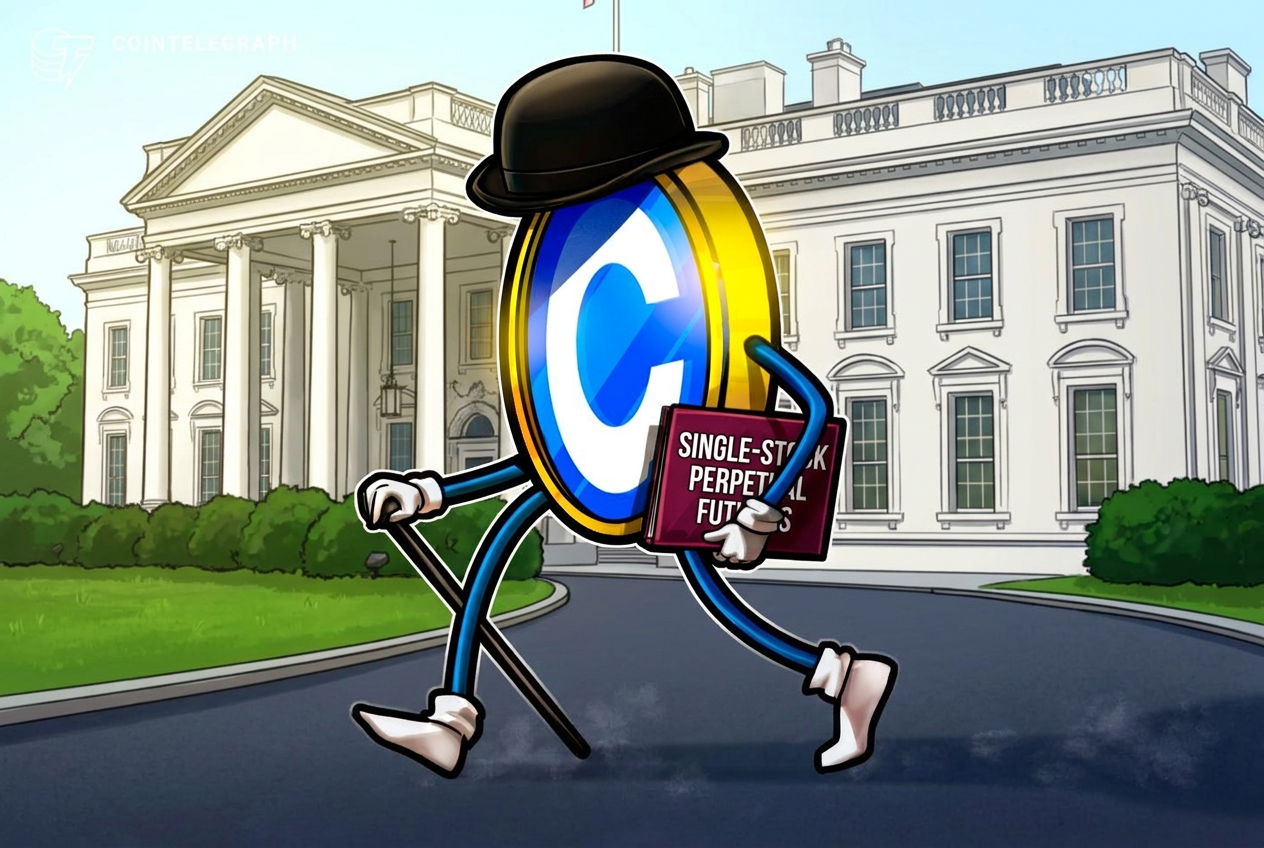
Coinbase is not entering this arena without prior experience. The company has already successfully launched stock perpetual futures to eligible traders outside the United States, demonstrating its capability and the market’s appetite for such products. In March, it introduced contracts tracking major US stocks and indexes, including tech giants like Apple and Nvidia, to international users. At the time of that launch, Coinbase explicitly noted that these products were unavailable to US persons but signaled its intent to expand the offering to additional regions, setting the stage for the current US filing. This international success likely provides a strong proof of concept and valuable operational insights for its domestic expansion efforts. The Wall Street Journal reported that Coinbase plans to initially offer perpetual futures tied to approximately 50 to 60 prominent stocks, including market leaders such as Apple, Microsoft, Tesla, and Nvidia. This selection strategy targets highly liquid, widely followed, and often volatile stocks, which are typically popular among retail traders and offer ample opportunities for speculative trading strategies.
The introduction of single-stock perpetual futures could have several profound impacts on the US equity market. For retail investors, it would mean unprecedented access to sophisticated, leveraged trading instruments that offer continuous trading hours, mimicking the 24/7 nature of crypto markets. This could attract a new demographic of traders accustomed to the fast-paced, always-on environment of digital assets, potentially broadening participation in derivatives markets. However, with increased accessibility comes increased risk. Perpetual futures, especially when leveraged, carry significant risks, including the potential for rapid and substantial losses, even exceeding the initial margin deposited, due to market volatility or adverse price movements. Regulators will undoubtedly scrutinize the mechanisms for investor protection, margin requirements, and risk disclosure to ensure that retail traders fully understand the complexities and dangers involved. The CFTC’s role will be to ensure fair and transparent trading practices, robust market surveillance, and adequate safeguards against manipulation.
From a broader market perspective, the introduction of these products could enhance liquidity in the underlying stocks, as derivatives trading often correlates with increased interest in the spot market. It could also intensify competition among derivatives providers, potentially spurring innovation across the industry. However, critics might raise concerns about the potential for increased market volatility or the introduction of new systemic risks, especially if a large number of retail traders engage in highly leveraged positions. The historical reluctance to fully embrace single-stock futures in the US, partly due to concerns about their potential impact on underlying stock prices and market stability, highlights these enduring anxieties. Coinbase’s proposal thus represents a significant test of the regulatory framework’s adaptability to financial innovation, particularly at the intersection of traditional and digital finance.
Ultimately, Coinbase’s pursuit of single-stock perpetual futures in the US market is more than just a product launch; it’s a statement about the future direction of finance. It underscores a growing convergence between the traditionally distinct worlds of cryptocurrency and conventional equities, driven by technological advancements and evolving investor demands. Should Coinbase secure the necessary regulatory approvals, it could pave the way for a new era of equity derivatives trading, offering retail investors powerful tools traditionally reserved for institutional players. However, the path ahead is fraught with regulatory complexities, requiring meticulous attention to compliance, robust risk management frameworks, and a clear articulation of investor benefits while mitigating potential hazards. The outcome of these filings will be closely watched by market participants, regulators, and investors alike, as it could redefine the landscape of American financial markets for years to come.