Imroatul Nasiyah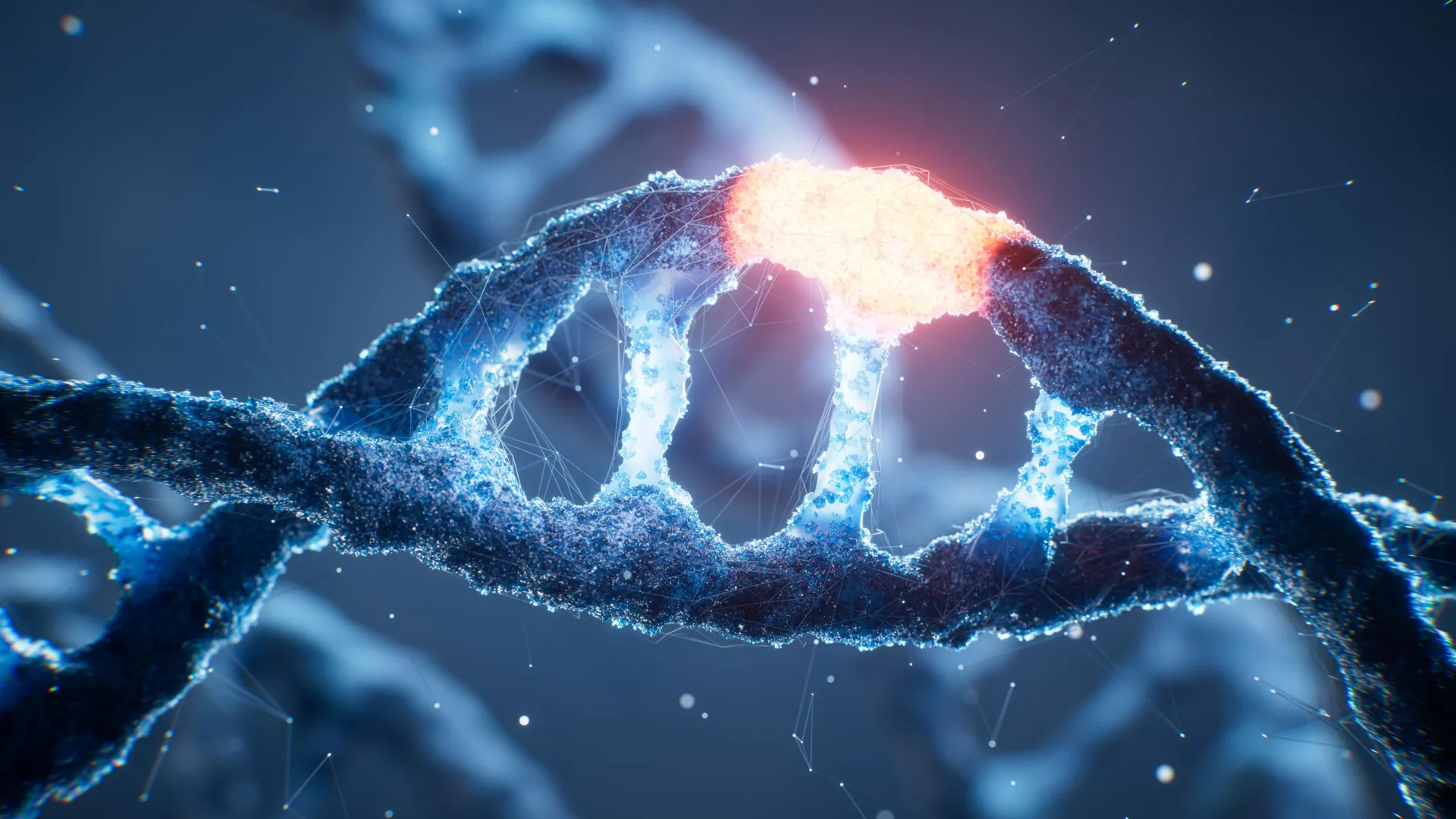
At the heart of this complex regulatory network lie specific regions of DNA, acting as sophisticated conductors of the genetic orchestra. These DNA sequences are not merely inert stretches of code; they are active participants, guiding the intricate process of gene expression. They dictate when a gene’s message will be read, how intensely it will be transcribed, and ultimately, how much of the corresponding functional product will be manufactured. When this delicate balance of gene activation goes awry, the consequences can be severe, disrupting cellular processes and contributing to the development of debilitating conditions. Understanding these crucial control elements is therefore paramount to unraveling the mysteries of health and disease.
To delve deeper into the DNA sequences that exert such profound control over gene activation, researchers at the University of California San Diego, working under the esteemed Professor James T. Kadonaga, have focused their attention on a particularly vital DNA element known as the "initiator." The initiator serves as a critical landmark, an indispensable signal that marks the precise location on a gene where the genetic information begins its transformation. This transformation, known as gene expression, is the process by which the DNA sequence is converted into a functional product, be it a protein, an RNA molecule, or another essential cellular component. The initiator, in essence, is the starting pistol for gene activity.
AI Decodes the Initiator Sequence: A Breakthrough in Genetic Understanding
In a groundbreaking new study, led by the diligent graduate student researcher Torrey Rhyne-Carrigg, the team embarked on an ambitious project to meticulously map and understand the initiator sequence. Their innovative approach involved the use of high-throughput DNA sequencing, a powerful technology capable of analyzing vast amounts of genetic material with remarkable speed and accuracy. This technique allowed them to measure gene expression activity across an astonishingly diverse landscape of approximately 500,000 different versions of the initiator sequence. This massive dataset provided an unprecedented window into the subtle variations that can exist within these critical regulatory elements and their impact on gene activity.
The sheer volume of data generated by this high-throughput sequencing was then harnessed to train a sophisticated machine learning system. Machine learning, a subfield of artificial intelligence (AI), excels at identifying complex patterns within large datasets that might be imperceptible to human observation. By feeding the experimental results into the AI model, the researchers aimed to teach it to recognize the characteristic DNA sequence pattern that defines a functional initiator. In essence, they were teaching the AI to "read" the genetic language that signals the beginning of gene expression.
Once the AI model had successfully decoded this unique initiator signature, the researchers applied their newfound knowledge to the vast expanse of the human genome. They meticulously searched through human genes, looking for the identified sequence. The results were staggering: they discovered that a remarkable proportion of human genes, approximately 60%, contain this critical initiator element. This finding underscores the fundamental importance of the initiator in orchestrating gene expression across our entire genetic makeup.
"These AI models were found to provide, for the first time, strong predictions of the presence or absence of the initiator in human genes, and were thus able to decode the DNA base sequence pattern of the initiator," stated Professor Kadonaga, a distinguished figure in the UC San Diego Department of Molecular Biology within the School of Biological Sciences. This quote highlights the profound significance of the AI’s ability to not only identify the initiator but also to predict its presence with high accuracy, a feat that was previously elusive. The AI’s success in deciphering this fundamental genetic code represents a significant leap forward in our ability to understand how genes are switched on and off.
Predicting the Effects of DNA Mutations: A New Era in Disease Research and Therapeutics
The implications of this discovery extend far beyond mere academic curiosity; they hold immense promise for advancing our understanding of diseases and developing novel therapeutic strategies. The ability to accurately identify the initiator sequence and understand its functional importance opens up new avenues for predicting how mutations affecting these critical regions might impact gene activity. Such mutations, even subtle changes in the DNA sequence, can have profound consequences, leading to altered gene expression that can disrupt normal cellular function and contribute to a wide range of disorders.
For instance, if a mutation occurs within or near an initiator sequence, it could potentially dampen or enhance the expression of a particular gene. If this gene is crucial for a specific cellular process or tissue development, such a change could lead to disease. Researchers can now use the developed AI models to anticipate these effects, allowing them to identify individuals who may be predisposed to certain genetic conditions or to pinpoint the molecular basis of existing diseases. This predictive power is invaluable for early diagnosis, personalized medicine, and the development of targeted therapies.
Furthermore, the study’s rich dataset and the sophisticated AI models developed by Professor Kadonaga’s team are poised to support the design of synthetic promoters. Promoters are DNA sequences that play a crucial role in regulating gene expression, often serving as the control panel for switching genes on or off. By understanding the precise sequence requirements of natural initiators, scientists can engineer synthetic promoters with tailored functions. These custom-designed promoters could be used in a variety of applications, such as in gene therapy, where they could precisely control the expression of therapeutic genes within a patient’s cells, or in biotechnology, for optimizing the production of valuable proteins or other biomolecules.
More broadly, this research serves as a powerful testament to the synergistic potential of combining rigorous laboratory experiments with the advanced capabilities of artificial intelligence. This interdisciplinary approach has proven exceptionally effective in uncovering complex information encoded within the intricate tapestry of human DNA. The study elegantly demonstrates how AI can act as a powerful lens, magnifying our understanding of biological processes that were previously shrouded in complexity.
"More globally, this work is a step forward in the combined use of laboratory experiments and AI to decipher the information that is embedded in the sequence of the DNA bases in humans," Professor Kadonaga elaborated, emphasizing the overarching significance of this research. He further articulated a compelling vision for the future: "Ultimately, within the six billion bases of DNA in each of our cells, there is a gene expression code that specifies when, where and to what extent each of our genes should be turned on or off. If we had an AI model for the entire gene expression code, we would be able to predict the activity of each of the different variants of genes in different people."
This ambitious goal of deciphering the entire gene expression code represents the ultimate frontier in genetic research. While the AI model for the initiator is a significant and crucial piece of this puzzle, it is acknowledged as a "small but important part." Professor Kadonaga expressed his optimism, stating, "The new AI model for the initiator is a small but important part of this gene expression code, and I am optimistic that we will expand our AI models of the human gene expression code in the not-too-distant future." This sentiment underscores the ongoing nature of scientific discovery and the exciting prospect of unlocking the full potential of our genetic blueprint, paving the way for unprecedented advancements in human health and well-being.