Faris Adani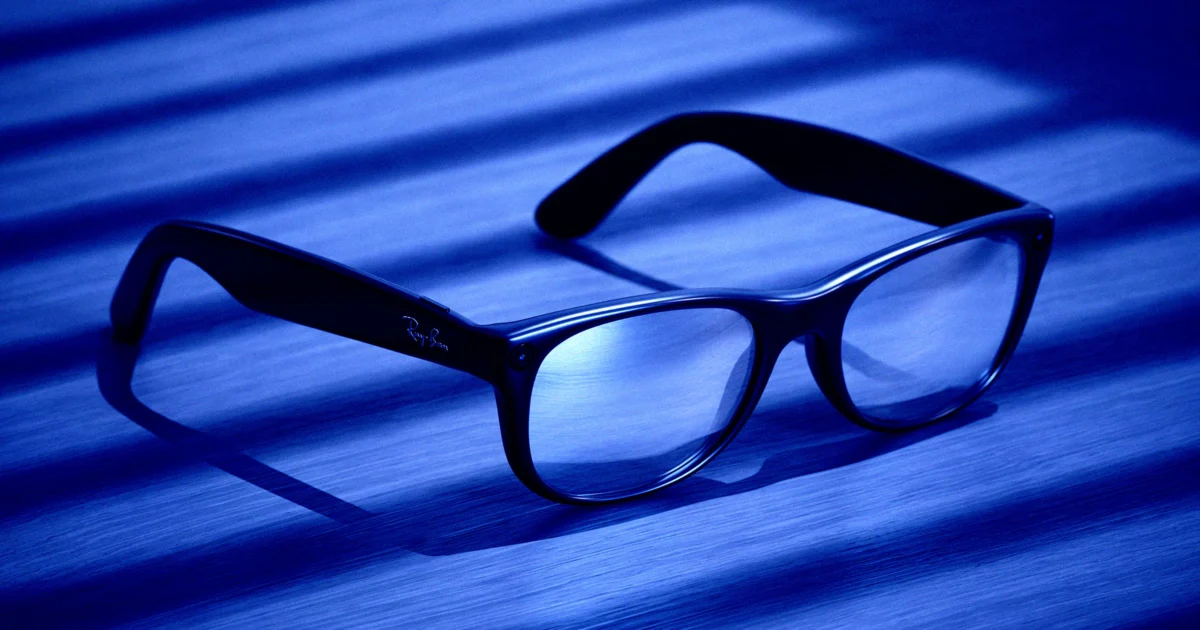
Meta’s ambitious foray into wearable technology, exemplified by its camera-equipped AI Glasses, co-branded with Ray-Ban, has inadvertently stumbled into a quagmire of privacy concerns and public derision, leading to the widespread adoption of the pejorative "pervert glasses" label. In a significant move that underscores the tech giant’s growing awareness of this crisis, a recently granted patent reveals Meta is actively developing a "kill switch" – a robust, hardware-enforced mechanism designed to disable the invasive sensors of its augmented reality devices. This development signals a desperate attempt to regain control over a product line that has, much like Google’s ill-fated Google Glass, become synonymous with unwanted surveillance and egregious public behavior, jeopardizing the very future of discreet wearable technology.
The journey of Meta’s smart glasses from a vision of seamless technological integration to a symbol of privacy invasion has been swift and unforgiving. Designed to be virtually indistinguishable from conventional Ray-Ban sunglasses, their discreet nature, intended as a selling point, has instead become their Achilles’ heel. This subtlety has been exploited by a concerning array of users: from "creeps" and "pickup artists" covertly recording interactions, to "manfluencers" fabricating content, "juvenile pranksters" documenting harassment, and even "high school bullies" capturing and sharing their victims’ distress. The resulting onslaught of negative press and public outcry has not only solidified the "pervert glasses" moniker but has also instilled a palpable fear among legitimate users, many of whom are now opting to leave their expensive gadgets at home rather than face public scrutiny and judgment. This burgeoning reluctance highlights a profound breakdown of trust, a critical barrier for any consumer technology aspiring for widespread adoption.
Against this backdrop of mounting public outrage and reputational damage, Meta’s patent, filed in February and granted last week, emerges as a potential lifeline. Titled "secure hardware-enforced sensor privacy systems," the patent meticulously outlines a "mute or lock" switch capable of shutting down "one or more sensors" within consumer-facing products. The emphasis on "hardware-enforced" is crucial, suggesting a more robust and tamper-proof solution than previous software-based attempts. Unlike software toggles that can be bypassed or manipulated, a true hardware kill switch would physically disconnect or power down the camera and microphone, offering a definitive guarantee of privacy when activated. While the patent’s language broadly refers to "augmented reality devices," the detailed depictions within the filing bear a striking resemblance to Meta’s current smart glasses offerings, making it an educated assumption that these privacy mechanisms are directly aimed at addressing the woes of the Ray-Ban Meta line. The timing of this patent, filed just weeks before a bombshell investigation exposed further privacy breaches, further reinforces this interpretation.
That investigation, a joint effort by Swedish newspapers Svenska Dagbladet and Göteborgs-Posten, published in late February, threw gasoline on an already raging fire. It detailed how Meta contractors based in Nairobi, Kenya, were being tasked with reviewing "highly sensitive and intimate data" recorded by the glasses. This revelation exposed a deeply unsettling reality: not only could private moments be covertly captured, but these intimate recordings were then accessible and reviewed by human agents, raising profound ethical questions about data handling, consent, and the true extent of privacy in an era of pervasive surveillance technology. The global media attention garnered by this report reignited an already heated debate surrounding Meta’s data practices, adding another layer of urgency to the company’s need for a credible privacy solution. The existence of human reviewers for such sensitive, personally identifiable data underscores the potential for misuse, blackmail, or simply the inherent creepiness of having one’s private life exposed, even if for moderation purposes.
Meta’s current privacy safeguards have proven woefully inadequate in stemming the tide of misuse. The smart glasses feature a small LED indicator light on the front, ostensibly to signal when recording is active. However, this rudimentary "guardrail" is trivially circumvented. A simple sticker, as demonstrated by numerous online reports, can render the light useless, effectively turning the glasses into an undetectable recording device. While Meta has attempted to counter this with software features designed to disable the camera if tampering is detected, resourceful users are continually finding new ways to bypass these digital defenses. This cat-and-mouse game between Meta’s software engineers and privacy-defying users highlights a fundamental flaw in the design philosophy: relying on external, easily-obscured indicators for a device designed for discreet recording is inherently problematic. The very nature of a "pervert glass" stems from its ability to record without overt notification, and as long as that capability exists and is easily manipulated, public trust will remain elusive.
The challenges faced by Meta’s smart glasses echo the infamous saga of Google Glass a decade prior. Google’s pioneering wearable, launched with much fanfare, quickly became a pariah. Users were branded "Glassholes" for their perceived arrogance and the device’s undeniable potential for covert recording. Public spaces, from bars to restaurants, began to ban Google Glass, signaling a societal rejection of always-on, discreet recording technology in personal interactions. Meta, it seems, has failed to learn adequately from this precedent. While the Ray-Ban Meta Smart Glasses boast improved aesthetics and AI capabilities, they share the same core privacy vulnerability that doomed Google Glass. This historical parallel serves as a stark reminder that technological innovation, no matter how advanced, cannot succeed without addressing fundamental human concerns about privacy, consent, and personal space. The public’s memory, particularly regarding privacy breaches, is long, and overcoming such a negative initial impression is an uphill battle.
The development of a hardware kill switch signifies a potential paradigm shift in how Meta approaches user privacy, moving beyond superficial indicators and easily bypassed software. A truly secure hardware solution would offer a level of assurance that software alone cannot provide, potentially rebuilding some of the shattered trust. However, implementing such a switch effectively presents its own set of technical challenges. It must be truly tamper-proof, easily accessible to the user, and clearly indicate its activation status without compromising the device’s design or user experience. The efficacy of this kill switch will be paramount; if it can still be bypassed or if its implementation is clumsy, it will do little to redeem the device’s reputation. Moreover, Meta will need to couple this technical solution with a robust public education campaign and stringent enforcement policies to demonstrate a genuine commitment to responsible technology use.
Beyond the immediate crisis, Meta’s experience with the "pervert glasses" phenomenon offers broader lessons for the nascent augmented reality and wearable technology sector. The tension between innovation and privacy in an increasingly connected and digitally mediated world is profound. While smart glasses hold immense potential for beneficial applications – from accessibility tools for the visually impaired to hands-free assistance in professional settings – their widespread adoption hinges on their ability to integrate seamlessly and ethically into daily life. Companies pushing these boundaries must prioritize privacy by design, anticipating and mitigating potential misuses from the outset, rather than reacting to public outcry after the fact. The future of AR/smart glasses depends not just on technological prowess but on earning and maintaining the public’s trust, a commodity that, once lost, is incredibly difficult to reclaim.
Ultimately, Meta finds itself at a critical juncture. The "kill switch" patent represents a tacit admission of the profound privacy failures that have plagued its smart glasses. While a crucial step, it is merely the beginning of a long and arduous journey to redeem the device’s reputation and re-establish public trust. The success or failure of this initiative will not only determine the fate of Meta’s smart glasses but will also cast a long shadow over the entire wearable technology industry, influencing how future devices are designed, marketed, and ultimately, accepted by a privacy-conscious society. The stakes are high, not just for Meta, but for the very promise of a seamlessly integrated, ethically sound augmented reality future.