Faris Adani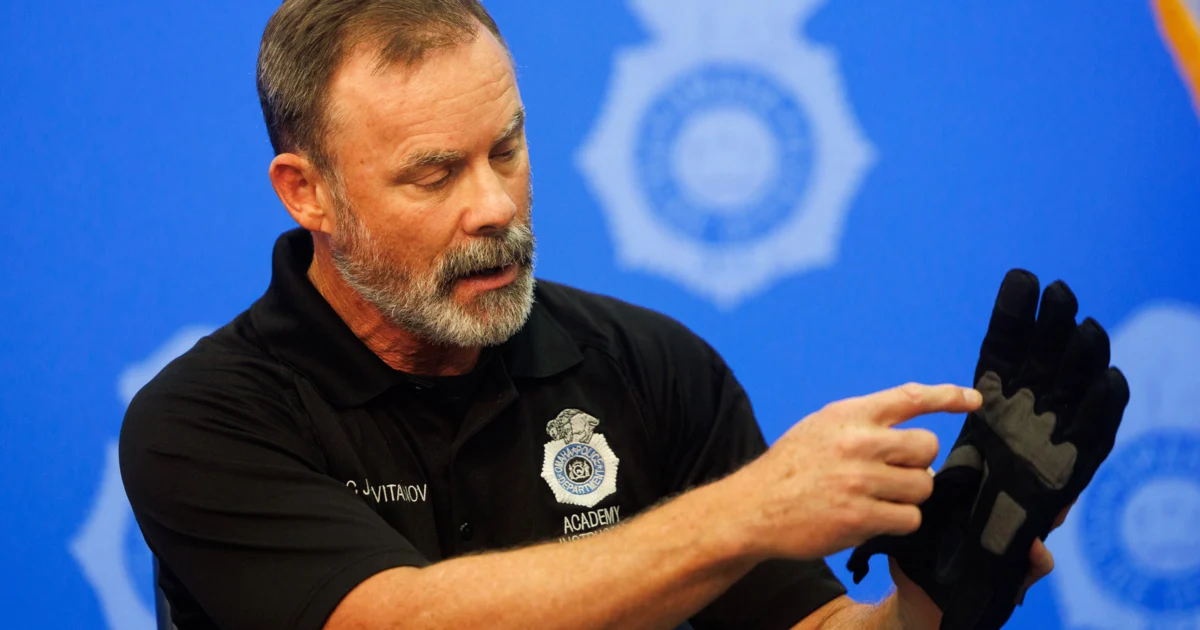
The city of Omaha, Nebraska, finds itself at the epicenter of a national controversy following revelations that its police department deployed electric shock gloves on two students, one of whom was enrolled in a special education program, during the 2025-2026 school year, prompting a horrified plea from the school superintendent and sparking widespread outrage among parents, students, and civil rights advocates. The use of these devices, ominously referred to by their manufacturer as "Compliant Technologies G.L.O.V.E.s" (Generating Low Output Voltage Events), has ignited a fierce debate about the appropriate role of law enforcement in schools, the ethical boundaries of force application on minors, and the alarming trend of increasingly sophisticated and potentially abusive technologies being adopted by police departments across the nation. Superintendent Matthew Ray of the Omaha Public Schools (OPS) expressed profound dismay upon learning of the incidents, immediately appealing to the Omaha Police Department (OPD) to cease the use of these electrocution devices within school premises, a request the OPD, facing intense public scrutiny, begrudgingly agreed to, stating they would no longer deploy the gloves in educational settings.
This agreement, however, has done little to quell the rising tide of indignation and a barrage of uncomfortable questions regarding transparency, accountability, and the fundamental safety of students within what are supposed to be nurturing learning environments. The police department’s internal justification for the gloves, branding them their "safest use-of-force option" for subduing suspects, stands in stark contrast to the perception of many, who view them as instruments of torture, particularly when wielded against vulnerable populations like children, and especially those with special needs who may not fully comprehend commands or react predictably to painful stimuli. The incidents in Omaha have forced a harsh spotlight onto the often-opaque operations of School Resource Officers (SROs) and the increasing militarization of school security, blurring the lines between maintaining order and inflicting harm.
One of the most troubling aspects to emerge from the scandal is the apparent lack of transparency and communication between the Omaha Public Schools administration and the police department. Superintendent Ray asserted that he only became aware of the existence and deployment of these gloves last week, a claim that was quickly challenged by a report from local station KETV. Citing internal emails, KETV revealed that school administrators had, in fact, been informed about the devices as far back as 2023, raising serious questions about the chain of command, internal communication protocols, and why such a controversial piece of equipment, particularly one intended for "subduing suspects," was not flagged for higher-level review or public discussion before its deployment on students. This discrepancy suggests either a profound oversight within the school district’s leadership or a deliberate downplaying of the devices’ implications, further eroding public trust.
The students themselves have voiced their distress and fear. Nora Wessel, a senior at Omaha Central High School, delivered a poignant testimony at a recent school board meeting, articulating the profound impact such devices have on the student body’s sense of security. "I can’t even imagine walking down the hallway and seeing a peer of mine being electrocuted in a place that is supposed to be a safe space for students," Wessel stated, her words resonating with the palpable anxiety felt by many. "Yet, this is now a very real possibility. These are adults we are supposed to be able to trust, but these weapons create a barrier for our students to turn to resource officers when needed." Her statement underscores a critical concern: the presence of such punitive and painful devices fundamentally undermines the trust essential for SROs to effectively serve as mentors and community builders, rather than simply enforcers. Instead of fostering a safe and supportive atmosphere, the use of shock gloves cultivates an environment of fear and antagonism between students and authority figures.
The manufacturer behind these controversial devices, "Compliant Technologies," has also come under intense scrutiny for its marketing practices. As recently as 2022, the company unabashedly marketed the shock gloves as a "weapon" in its publicity material. However, in a stark pivot coinciding with increasing public awareness and criticism, the company has since rebranded them as "conductive distraction and de-escalation" devices. This linguistic engineering, attempting to soften the perception of a device designed to deliver an electric shock, has been widely criticized as disingenuous and misleading. Critics argue that merely changing the terminology does not alter the fundamental nature of the device, which delivers a painful electrical jolt, akin to a taser but with the added insidious quality of being worn on the hand, allowing for direct, intimate contact during deployment. Omaha Police Chief Todd Schmaderer, in a statement to Government Technology, described the gloves as "discreet," a characteristic that, while perhaps appealing to law enforcement seeking less visibly aggressive options, raises alarms for civil liberties advocates. The "discreet" nature could potentially lead to less oversight, fewer witnesses, and a greater potential for abuse without immediate visual cues that would accompany more overt forms of force.
Experts in human rights and law enforcement ethics have unequivocally condemned the use of such devices, particularly in school settings. Yumna Rizvi, a senior policy analyst at the Center for Victims of Torture, delivered a scathing assessment when speaking to Mother Jones about the gloves. Rizvi unequivocally referred to the devices as "inherently abusive equipment that facilitates torture," asserting that they possess "no legitimate law enforcement purpose." Her strong language reflects a broader consensus among human rights organizations that the application of electric shocks for control or punishment, especially without clear and immediate threat to life, crosses a line into cruel, inhuman, and degrading treatment. The fact that these devices were deployed against students, and specifically a special education student who may have communication or behavioral challenges, amplifies the ethical violation, potentially constituting a form of institutional abuse against a vulnerable population. The very notion that an electric shock could be considered a "de-escalation" tactic in a school environment defies common sense and established psychological principles for managing student behavior.
Moreover, the situation in Omaha is not an isolated incident but part of a disturbing national trend. Reports indicate that law enforcement agencies, both local and federal, are procuring these electric shock gloves at an "alarming clip." The Associated Press previously highlighted the acquisition of these devices by Immigration and Customs Enforcement (ICE), signaling a broader embrace of technologies that critics argue are designed for control and coercion rather than genuine de-escalation. The proliferation of such tools across different law enforcement branches suggests a systemic shift towards more confrontational and potentially harmful methods, raising profound concerns about human rights, particularly for marginalized communities and individuals in detention or under arrest. The deployment in schools, however, represents a particularly egregious overreach, bringing potentially torturous devices into environments dedicated to education and child development.
The outrage in Omaha has prompted renewed calls for comprehensive reviews of school safety policies, SRO training, and the types of equipment deemed permissible for use in educational settings. Parents are demanding answers regarding the necessity of such devices, the training officers receive, and the protocols in place to prevent their misuse. Many are advocating for a shift away from punitive, force-based interventions towards more restorative justice practices, counseling, and behavioral support, especially for students with special needs. The long-term psychological impact on students subjected to such force, or even those who witness it, is a significant concern, potentially leading to trauma, anxiety, and a lasting distrust of authority figures.
The controversy also serves as a critical reminder of the ongoing debate surrounding the presence of police in schools. While proponents argue SROs enhance safety, particularly in an era of heightened concerns about school violence, opponents contend that their presence often leads to the criminalization of typical adolescent behavior, disproportionately affects students of color and those with disabilities, and introduces a policing mentality into educational spaces. The use of electric shock gloves undeniably strengthens the arguments of those who believe that law enforcement’s role in schools needs to be drastically re-evaluated, if not altogether curtailed. The incidents in Omaha demand not just a cessation of these specific devices but a fundamental re-examination of how society protects and nurtures its most vulnerable citizens within the very institutions designed for their growth and development. The image of a police officer applying an electric shock to a child in a school hallway will undoubtedly linger, serving as a stark symbol of a system struggling to balance safety with humanity.