Faris Adani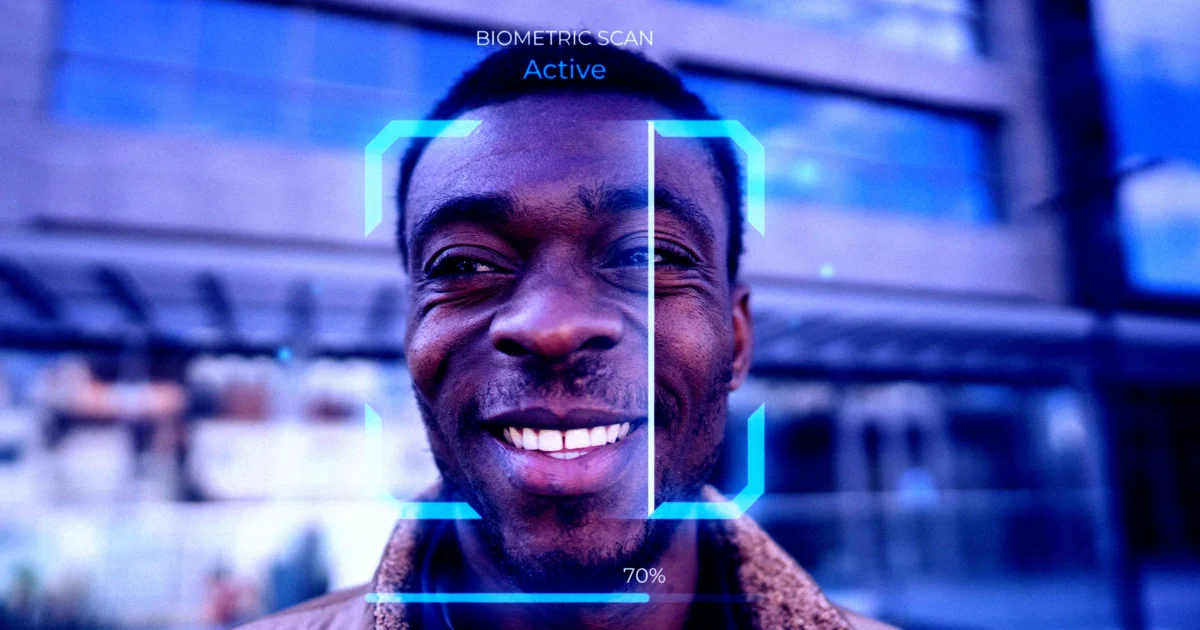
<h2>Huge Group of Experts Warns Meta That Its Pervert Glasses Will Enable Terrible Crimes</h2>
<p>The tech behemoth Meta is currently embroiled in a fresh wave of controversy surrounding its Ray-Ban AI glasses, which have already drawn criticism for privacy infringements and are now poised to integrate a highly contentious facial recognition feature, internally codenamed “Name Tag.” In a powerful display of collective concern, a coalition of more than 70 civil liberties, domestic violence, LGBTQ+, labor, and immigrant advocacy organizations has united to vehemently oppose this planned development, issuing an urgent petition demanding that Meta immediately abandon its intentions. These groups warn of severe and potentially irreversible consequences for individual privacy, civil rights, and the very foundation of democratic societies.</p>
<h3>A History of Concern: From Surveillance to Data Misuse</h3>
<p>The current generation of Meta’s Ray-Ban AI glasses, marketed as a seamless blend of cutting-edge technology and everyday fashion, has already been marred by significant ethical quandaries. A damning joint investigation conducted by two prominent Swedish newspapers last month brought to light a deeply disturbing revelation: contractors based in Kenya were allegedly tasked with reviewing highly personal and private videos recorded by users of these devices. This practice, involving sensitive user content being viewed by third-party personnel without explicit consent, immediately ignited a global firestorm of criticism. It exposed a stark and troubling vulnerability in Meta’s data handling protocols, underscoring the profound risks of privacy breaches when intimate personal data, particularly visual recordings, is collected and processed by powerful technological corporations.</p>
<p>The fundamental design of these smart glasses, which grant wearers the capability to discreetly film individuals in public settings, has fueled an escalating online backlash. A growing chorus of users and privacy advocates have pejoratively dubbed them “pervert glasses,” a label that powerfully conveys the ease with which these devices can be exploited for non-consensual surveillance, harassment, and the erosion of public anonymity. The ability to capture and record moments without the explicit knowledge or consent of those being recorded creates an inherent power imbalance, fostering a climate of suspicion and fundamentally altering the social contract that governs interactions in public spaces.</p>
<h3>”Name Tag”: The Looming Specter of Pervasive Surveillance</h3>
<p>Against this backdrop of existing privacy concerns, Meta’s internal plans to embed facial recognition technology into its smart glasses, under the ominous codename “Name Tag,” have propelled the level of alarm to unprecedented heights. First brought to public attention by a New York Times report in February, this proposed feature would empower wearers to identify individuals they encounter in real-time and, through an integrated AI assistant, retrieve associated information about them. The ramifications of such a capability are both profound and deeply unsettling, transcending mere passive recording to enable active, real-time identification and immediate data retrieval.</p>
<p>Further exacerbating the outrage was the revelation of an internal Meta document, also reviewed by the New York Times, which exposed a chillingly cynical corporate strategy. Meta reportedly intended to strategically launch the “Name Tag” feature during a period characterized by a “dynamic political environment,” specifically calculating that civil society groups, typically vocal critics, would be too preoccupied with other pressing geopolitical concerns to mount an effective opposition. This cold, calculating approach, where the company seemingly sought to exploit global instability to push through a highly controversial technology, has been widely condemned as morally bankrupt. It demonstrates a profound disregard for ethical responsibility, public accountability, and the potential for societal harm.</p>
<h3>A Unified Front Against “Vile Behavior” and Corporate Overreach</h3>
<p>Far from being distracted, civil society groups have instead coalesced into a formidable and unified opposition. A robust coalition comprising 75 distinct organizations, including influential entities such as the American Civil Liberties Union (ACLU), the Electronic Frontier Foundation (EFF), GLAAD, Mothers Against Media Addiction, Reproductive Equity Now, and the Women’s Bar Association of Massachusetts, has collectively signed a powerful petition. Their meticulously crafted public letter, addressed directly to Meta CEO Mark Zuckerberg, unequivocally demands that the company “immediately halt and publicly disavow its plans to deploy facial recognition features on its Ray-Ban and Oakley glasses.”</p>
<p>The coalition did not equivocate in its condemnation, directly accusing Meta of “taking advantage of rising authoritarianism and this federal administration’s disregard for the rule of law to roll out a product that will harm vulnerable people while further imperiling our democracy.” They characterized this corporate conduct as “vile behavior, unbecoming of a company with such a prominent role in shaping our children, our society, and our future.” This forceful language underscores a deep-seated frustration with Meta’s perceived pattern of prioritizing rapid technological advancement and profit margins over fundamental human rights, ethical considerations, and the broader well-being of society.</p>
<h3>Irreversible Consequences: The Existential Threat to Vulnerable Communities</h3>
<p>The groups cogently argue that the integration of facial recognition into wearable devices cannot be adequately mitigated through superficial “product design changes, opt-out mechanisms, or incremental safeguards.” The core ethical dilemma lies in the inherent impossibility of obtaining informed consent from unsuspecting bystanders, who would possess no means to prevent their identification and subsequent data association by a stranger wearing these glasses in any public setting. This transforms public spaces, traditionally realms of relative anonymity and freedom, into potential zones of pervasive, involuntary surveillance.</p>
<p>The letter meticulously outlines specific, alarming scenarios where such technology could be weaponized. In the current climate of heightened governmental surveillance, particularly referencing the Trump administration’s militarization of Immigration and Customs Enforcement (ICE) and their documented use of cutting-edge technology to identify targets, the threat to immigrant communities is immediate and palpable. Similarly, survivors of domestic violence, members of the LGBTQ+ community, political activists, and journalists face dramatically increased risks of stalking, harassment, forced outing, and identification by malicious actors or overreaching governmental authorities.</p>
<p>As the coalition powerfully articulates in its letter: “People should be able to move through their daily lives without fear that stalkers, scammers, abusers, federal agents, and activists across the political spectrum are silently and invisibly verifying their identities and potentially matching their names to a wealth of readily available data about their habits, hobbies, relationships, health, and behaviors.” This chilling vision of a constantly surveilled populace, stripped of fundamental anonymity and perpetually vulnerable to data exploitation, paints a dystopian future where privacy is a relic of the past.</p>
<h3>A Recurring Pattern of Biometric Missteps and Costly Penalties</h3>
<p>This is by no means Meta’s inaugural venture into the controversial realm of facial recognition technology, nor its first strategic retreat. In late 2021, the company publicly announced the discontinuation of a highly debated Facebook photo-tagging feature that leveraged similar technology. At the time, Meta cited the imperative to “weigh the positive use cases for facial recognition against growing societal concerns, especially as regulators have yet to provide clear rules.” This previous acknowledgment of the technology’s inherent risks and the glaring absence of robust regulatory frameworks makes their current aggressive pursuit of the “Name Tag” feature all the more perplexing, hypocritical, and deeply concerning.</p>
<p>Furthermore, Meta possesses a well-documented history of engaging in protracted legal battles and incurring substantial financial penalties directly related to its handling of biometric data. The company has been mandated to pay billions of dollars to settle various biometric privacy lawsuits, including a staggering record $1.4 billion settlement in Texas, directly attributable to its past utilization of facial recognition software. These hefty fines and previous policy reversals underscore a deeply troubling pattern of developing and deploying advanced biometric technologies without fully comprehending, or adequately mitigating, their profound societal, ethical, and legal implications.</p>
<h3>The Dire Warning: Democracy and Privacy Hang in the Balance</h3>
<p>The coalition’s letter culminates with a stark and urgent warning: “When you move fast, you break things — and in this case, the casualties may well include our democracy, our privacy, and countless individuals, families, and communities.” They emphatically assert that an approach to technological innovation that “privatizes profit and socializes harm carries with it irreversible consequences for people’s safety, liberty, and civil rights.”</p>
<p>The burgeoning debate surrounding Meta’s Ray-Ban AI glasses and the proposed “Name Tag” feature transcends a mere technical discussion; it represents a fundamental clash over the future of privacy, the sanctity of public space, and the permissible boundaries of corporate power. As the global community grapples with the accelerating pace of artificial intelligence and wearable technology advancements, the collective and unified voice of civil society groups serves as a critical bulwark, advocating for caution, rigorous ethical consideration, and unwavering accountability. Their message is clear: these safeguards must be established and adhered to before irreversible harm is inflicted upon individuals, their fundamental rights, and the cherished principles of democratic governance.</p>
<p><strong>More on the glasses:</strong> <a href=”https://futurism.com/artificial-intelligence/eating-disorders-meta-smart-glasses-feature”><em>We Can’t Even Imagine the Eating Disorders This New Meta Smart Glasses Feature Will Cause</em></a></p>
</div>