anjir abdul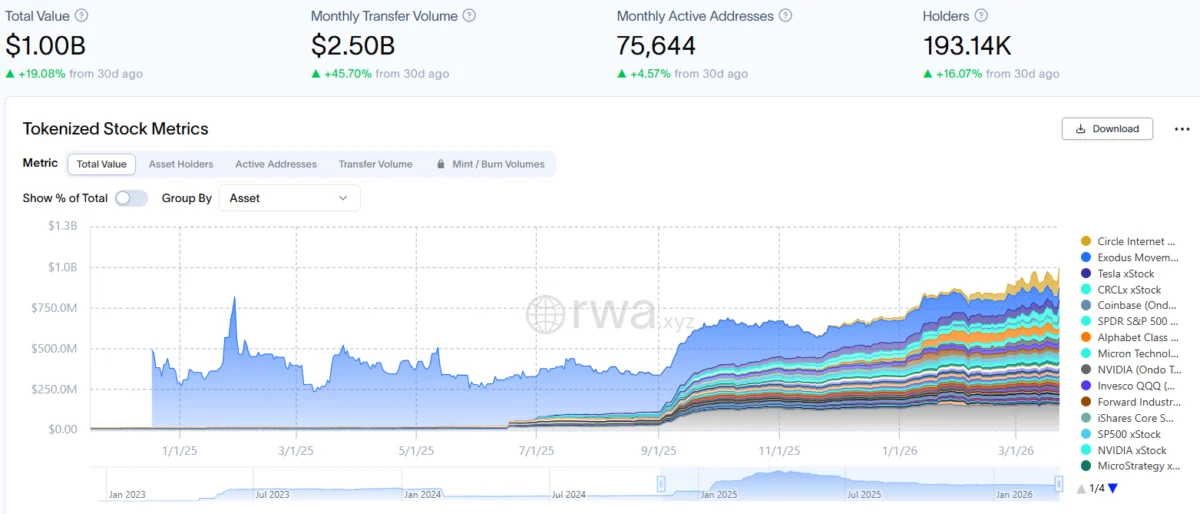
The New York Stock Exchange (NYSE), a cornerstone of global capital markets and a subsidiary of Intercontinental Exchange (ICE), has forged a landmark partnership with leading tokenization platform Securitize, signaling a profound shift towards the integration of blockchain technology into Wall Street’s core infrastructure. This strategic alliance, formalized through a memorandum of understanding (MoU), is poised to revolutionize traditional stock trading by laying the groundwork for a sophisticated, blockchain-based system designed for unparalleled efficiency, speed, and accessibility: the Digital Trading Platform.
At the heart of this groundbreaking initiative, Securitize is set to assume the pivotal role of the first digital transfer agent for the NYSE’s upcoming platform. This designation is critical, as it empowers Securitize to mint blockchain-based shares for a wide array of financial instruments, including traditional stocks and exchange-traded funds (ETFs). This capability is not merely an incremental upgrade; it represents a fundamental re-imagining of how securities are issued, managed, and traded, moving from a decades-old, largely manual system to a digitally native, automated framework. The announcement, released by ICE, underscored the significance of this collaboration in advancing tokenized securities infrastructure.
The MoU outlines a comprehensive plan beyond just the technical integration. It mandates a collaborative effort to develop a robust digital transfer agent program and establish industry-wide standards for both digital transfer agents and tokenization agents. This crucial aspect focuses on addressing the intricate regulatory, operational, and technological requirements inherent in building a resilient and compliant tokenized securities ecosystem. By proactively defining these standards, NYSE and Securitize aim to foster an environment of trust and predictability, essential for institutional adoption and investor confidence in this nascent yet rapidly evolving asset class.
This latest development builds directly upon ICE’s forward-thinking vision, initially articulated on January 19, for a tokenized securities venue. The ambition is clear: to create a platform that supports 24/7 trading, enabling continuous market access irrespective of traditional exchange hours. Furthermore, it promises instant settlement, drastically reducing the typical T+2 (trade date plus two business days) settlement cycles prevalent in conventional markets, thereby mitigating counterparty risk and freeing up capital more rapidly. The platform is also designed to facilitate stablecoin-based funding and on-chain settlement, leveraging the inherent advantages of blockchain technology for transparent, immutable, and near-instantaneous transactions.
Crucially, the planned venue is meticulously engineered to accommodate both tokenized shares that are fully fungible with traditionally issued securities and those issued natively as digital tokens. This hybrid approach ensures broad compatibility and flexibility, catering to existing market participants while also paving the way for entirely new digital-first financial products. A paramount consideration for the NYSE is the preservation of traditional shareholder dividends and governance rights. This commitment underscores the exchange’s dedication to upholding investor protections and established market principles, even as it embraces transformative technology. Tokenized stocks, in essence, are digital representations of traditional company shares minted on a blockchain ledger. They offer investors exposure to stock prices while unlocking a host of advantages, including round-the-clock accessibility, enhanced liquidity potential, and the ability for fractional ownership, making high-value assets more accessible to a broader investor base.
This agreement is a powerful testament to the growing conviction among major exchange operators that blockchain-based trading and settlement infrastructure is not merely an experimental concept but an inevitable evolution of capital markets. This push occurs even as the regulatory and market structure frameworks for tokenized public securities continue to coalesce and mature. The landscape is indeed shifting rapidly, with regulators increasingly engaging with this innovation.
The news from NYSE and Securitize follows closely on the heels of another significant regulatory milestone: the U.S. Securities and Exchange Commission (SEC) recently granted regulatory approval for Nasdaq’s pilot proposal. This pilot aims to support the trading of tokenized versions of high-volume stocks and securities, indicating a cautious yet clear embrace of digital asset innovation within established regulatory bodies. These parallel developments from two of the world’s largest stock exchanges highlight a concerted effort to explore and integrate blockchain into mainstream finance, demonstrating that tokenization is moving beyond niche crypto markets into the heart of Wall Street.
Lynn Martin, President of NYSE Group, articulated the exchange’s careful yet optimistic approach: "As we explore how tokenization can enhance capital markets, it is critical that new infrastructure is developed in a way that preserves the trust, transparency, and protections investors expect." Her statement encapsulates the delicate balance required—innovating while safeguarding the fundamental principles that underpin investor confidence and market integrity. This sentiment is vital as the industry navigates the complexities of integrating decentralized technologies into a highly regulated and centralized financial system.
The increasing institutional interest is mirrored by a palpable surge in investor demand for blockchain-based tokenized stocks. This sector recently celebrated a significant milestone, with the total value of tokenized stocks surpassing $1 billion on March 10, marking a pivotal moment for the burgeoning real-world asset (RWA) sector. This rapid ascent underscores the growing appetite for digital representations of tangible assets, driven by the promise of greater efficiency and accessibility.

Detailed data from RWA.xyz paints a vivid picture of this growth. Over the past 30 days, the number of tokenized stockholders rose by an impressive 16% to 193,140, indicating a broadening base of participants. Concurrently, the monthly transfer volume witnessed a substantial increase of 45%, reaching $2.5 billion. While these figures are compelling, tokenized stocks currently represent the sixth-largest segment within the broader $26 billion value locked into tokenized RWAs. This comparison provides valuable context: tokenized treasury debt leads the pack with a commanding $11.8 billion, followed by tokenized commodities with over $5 billion. This suggests that while tokenized stocks are gaining traction, there is significant room for growth and market expansion, particularly as infrastructure like the NYSE-Securitize platform matures and regulatory clarity improves.
The race to capitalize on this trend is not limited to traditional exchanges. Leading crypto exchanges are also actively vying for market share in tokenized stock offerings. Coinbase, for instance, recently expanded its offerings to launch 24/7 stock perpetual futures for non-U.S. traders. These derivatives provide cash-settled exposure to major U.S. stocks and indices, including tech giants like Apple and Nvidia, enabling continuous trading outside conventional market hours. Similarly, other prominent crypto exchanges such as Binance and Kraken have also rolled out tokenized perpetual futures trading for non-U.S. traders, joining numerous offshore platforms in offering these innovative products. This competitive landscape highlights the global nature of the shift towards tokenized securities, where both traditional financial institutions and native crypto platforms are converging on similar offerings, albeit with different regulatory and operational frameworks.
The implications of the NYSE-Securitize partnership are far-reaching. It signals a robust institutional endorsement of blockchain’s potential to enhance the efficiency, transparency, and accessibility of capital markets. For investors, it could mean faster access to capital, lower transaction costs, and potentially greater liquidity. For issuers, it offers new avenues for capital formation, potentially reducing the administrative burden and costs associated with traditional issuance processes. Moreover, the move could accelerate the broader adoption of real-world assets on blockchain, fostering a more interconnected and efficient global financial system. While challenges remain—including navigating complex regulatory environments across jurisdictions, ensuring robust cybersecurity, and achieving widespread adoption—the commitment from an institution as venerable as the NYSE, coupled with the expertise of a leader like Securitize, marks a pivotal moment. It indicates that the future of finance is increasingly digital, tokenized, and operating on a 24/7 basis, bridging the gap between traditional finance and the decentralized possibilities of blockchain technology. This collaboration sets a significant precedent, pushing the entire financial industry towards a new era of innovation and transformation.