Faris Adani
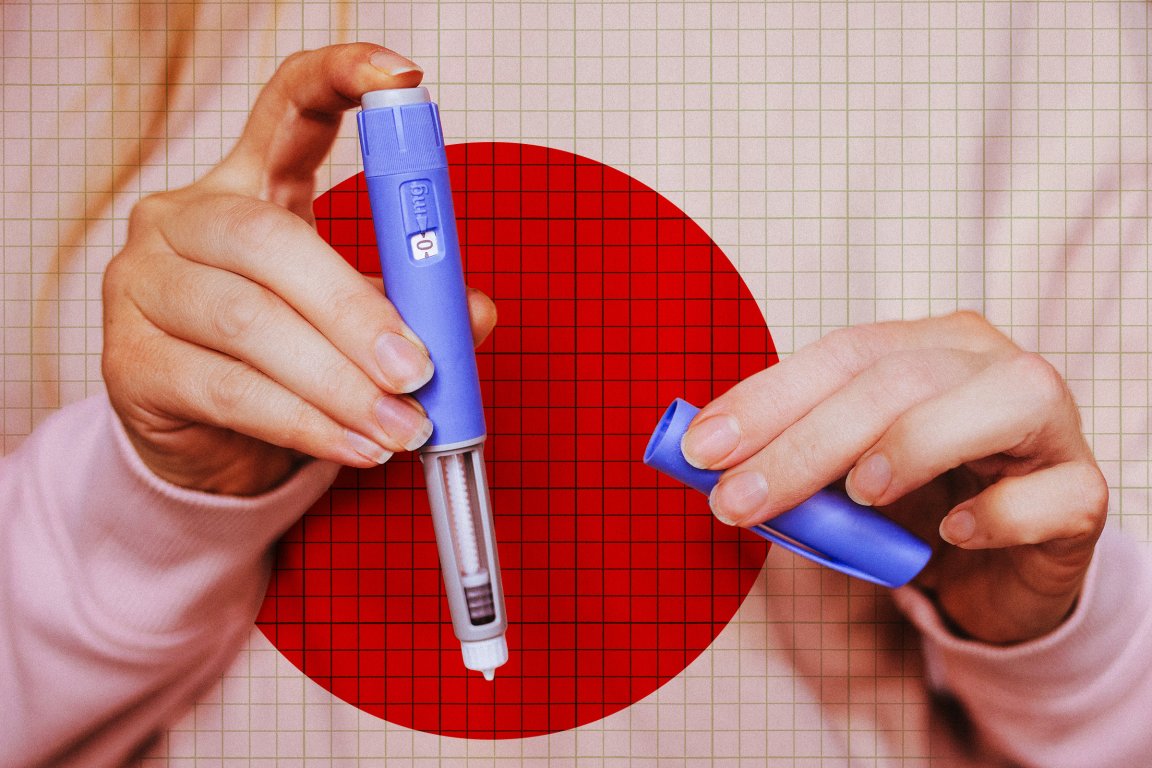
Illustration by Tag Hartman-Simkins / Futurism. Source: Getty Images
Sign up to see the future, today
Can’t-miss innovations from the bleeding edge of science and tech
Scientists Just Found Something Rather Grim That Happens When You Stop Taking GLP-1s.
The remarkable ascent of GLP-1 receptor agonists, often hailed as “miracle drugs,” has captivated the medical community and the public alike, promising a paradigm shift not only in weight management and diabetes treatment but also in a spectrum of other health conditions, from mitigating the risk of heart disease and cognitive disorders to offering novel pathways in addiction treatment. However, emerging research casts a sobering shadow on this optimistic narrative, revealing a stark reality: the myriad health benefits these drugs provide can rapidly dissipate upon discontinuation, raising profound concerns given the substantial number of patients who cease treatment due to prohibitive costs, supply shortages, and challenging side effects.
GLP-1 receptor agonists, such as semaglutide (the active ingredient in Ozempic and Wegovy) and liraglutide (Victoza, Saxenda), mimic the action of glucagon-like peptide-1, a naturally occurring hormone. This hormone plays a crucial role in regulating blood sugar by stimulating insulin secretion in a glucose-dependent manner, suppressing glucagon release, slowing gastric emptying, and promoting a feeling of satiety through its action on the brain’s appetite centers. This multifaceted mechanism not only aids in blood sugar control for type 2 diabetes patients but also leads to significant weight loss, which in turn contributes to improvements in various cardiometabolic risk factors. Beyond these core effects, GLP-1s have shown promise in reducing inflammation, improving lipid profiles, and even exhibiting neuroprotective qualities, hinting at their potential against cognitive decline and their intriguing role in modulating reward pathways in the brain, offering a glimmer of hope for individuals struggling with addiction.
A recent and highly significant study, published in the esteemed journal *BMJ Medicine*, sheds critical light on the long-term implications of GLP-1 therapy and, crucially, the consequences of its interruption. Researchers from the Washington University School of Medicine embarked on an extensive three-year observational study, meticulously tracking the health records of over 333,000 adults diagnosed with diabetes. Approximately one-third of this vast cohort were active users of Ozempic, providing a robust dataset to analyze the drug’s effects over an extended period. The demographic of individuals with diabetes was particularly pertinent for this research, as this population typically carries a higher baseline risk for cardiovascular events, making any protective or detrimental shifts more pronounced and easier to identify.
The initial findings from the study reaffirmed the well-established positive impacts of consistent GLP-1 usage. Patients who adhered to their GLP-1 regimen for three consecutive years experienced an encouraging 18 percent reduction in their risk of cardiovascular disease. This finding aligns perfectly with a growing body of evidence that underscores the cardiovascular benefits of these medications, independent of their weight-loss effects. This protective effect is believed to stem from the drugs’ ability to improve various cardiovascular risk factors, including blood pressure, cholesterol levels, and inflammation, alongside their direct impact on myocardial function and vascular health.
However, the study’s more alarming revelations pertained to the consequences of discontinuing these medications. The research uncovered a phenomenon described by study author Ziyad Al-Aly, a WashU Medicine epidemiologist, as a “metabolic whiplash.” This term vividly captures the abrupt and detrimental reversal of health benefits when GLP-1s are ceased. For patients who stopped taking GLP-1s for a period as short as six months, their risk of experiencing a major cardiovascular event surged by as much as 8 percent. The situation worsened considerably for those who discontinued treatment for one to two years, with their cardiovascular risk skyrocketing by an alarming 22 percent. This dramatic rebound effectively nullified the protective effects painstakingly built up during the period of consistent medication use.
Al-Aly underscored the disparity in the time it takes to accrue benefits versus lose them, stating to *CNBC* in an interview, “It takes years to build cardiovascular protection, and takes half as much as much to undo that.” This stark imbalance highlights the fragility of the benefits derived from GLP-1s and suggests that their positive effects are contingent upon continuous administration. The “metabolic whiplash” extends beyond just cardiovascular risk. As Al-Aly elaborated in a statement from WashU Medicine, cessation of GLP-1s leads to a “resurgence in inflammation, blood pressure, and cholesterol,” alongside the more commonly observed weight regain. For many, the cessation of GLP-1s means a rapid return of a once-suppressed appetite, often with increased intensity, leading to a swift re-accumulation of lost weight. This weight regain is not merely aesthetic; it is often accompanied by the return of metabolic dysfunctions that contribute to cardiovascular disease and other health complications.
Further compounding the concern, the study introduced the concept of a “lasting scar” left by interruptions in treatment. Al-Aly’s findings indicated that even if patients resumed GLP-1 therapy after a period of discontinuation, they did not fully regain the initial level of protection afforded by continuous use. This suggests that the body’s physiological response to the drug, once interrupted, may not reset entirely, leaving patients in a more vulnerable state. This particular finding is profoundly worrying given the real-world patterns of GLP-1 usage. The study itself revealed that 26 percent of GLP-1 users stopped taking the drug entirely during the study period, and an additional 23 percent experienced an interruption of six months or longer before potentially resuming treatment. This indicates that treatment adherence is a significant challenge, making the “lasting scar” effect a widespread concern for a substantial portion of patients.
The reasons behind these frequent interruptions and discontinuations are multifaceted and deeply ingrained in the practical realities of long-term medication use. One of the most significant barriers is the cost. GLP-1 drugs are notoriously expensive, often costing hundreds to over a thousand dollars per month without comprehensive insurance coverage. Even with insurance, co-pays can be substantial, rendering these medications financially inaccessible for many. The long-term nature of the benefits, as suggested by this study, implies a potentially lifelong financial commitment, which is simply unsustainable for a large segment of the population.
Another pressing issue is availability. The soaring demand for GLP-1s, particularly for weight loss, has far outstripped manufacturing capacity, leading to frequent and widespread shortages. Patients often face frustrating delays in filling prescriptions, forcing them into involuntary interruptions that, as the study now reveals, carry significant health risks. These supply chain issues highlight a critical gap between pharmaceutical innovation and the practical realities of mass distribution and access.
Finally, side effects play a crucial role in patient adherence. While often effective, GLP-1s can induce a range of “gruelling side effects,” with nausea being reported by approximately 50 percent of patients initiating the medication, according to a 2025 RAND survey. Less common but still notable side effects include vomiting, diarrhea, and constipation. For some individuals, these gastrointestinal disturbances are severe enough to significantly impair their quality of life, leading them to choose discontinuation over enduring chronic discomfort. While rarer, more serious side effects like pancreatitis or gallbladder issues can also necessitate cessation of the drug.
The implications of this research are far-reaching. It strongly suggests that for sustained cardiovascular benefits, GLP-1s may need to be considered lifelong medications, much like treatments for hypertension or high cholesterol. This paradigm shift from a potential short-term intervention to a chronic management strategy has profound consequences for healthcare systems, insurance providers, and individual patients. It necessitates a re-evaluation of how these drugs are prescribed, covered, and supported. Patient counseling becomes paramount, requiring healthcare providers to thoroughly educate individuals about the potential consequences of stopping treatment, emphasizing that there is indeed “a price of stopping.”
Policymakers and pharmaceutical companies must confront the dual challenges of affordability and accessibility. If GLP-1s are truly vital for long-term health, strategies to reduce costs, expand insurance coverage, and ensure a stable supply chain become ethical imperatives. Furthermore, this study opens avenues for future research into mitigation strategies for the “metabolic whiplash,” such as tapering schedules, alternative maintenance therapies, or personalized treatment plans that account for individual patient responses and risks. The initial excitement surrounding GLP-1s as “miracle drugs” is now tempered by the stark reality that their benefits, particularly cardiovascular protection, are ephemeral without continuous commitment. This latest research serves as a critical wake-up call, underscoring the complex interplay between powerful pharmaceuticals, patient adherence, and the intricate biology of the human body.