Faris Adani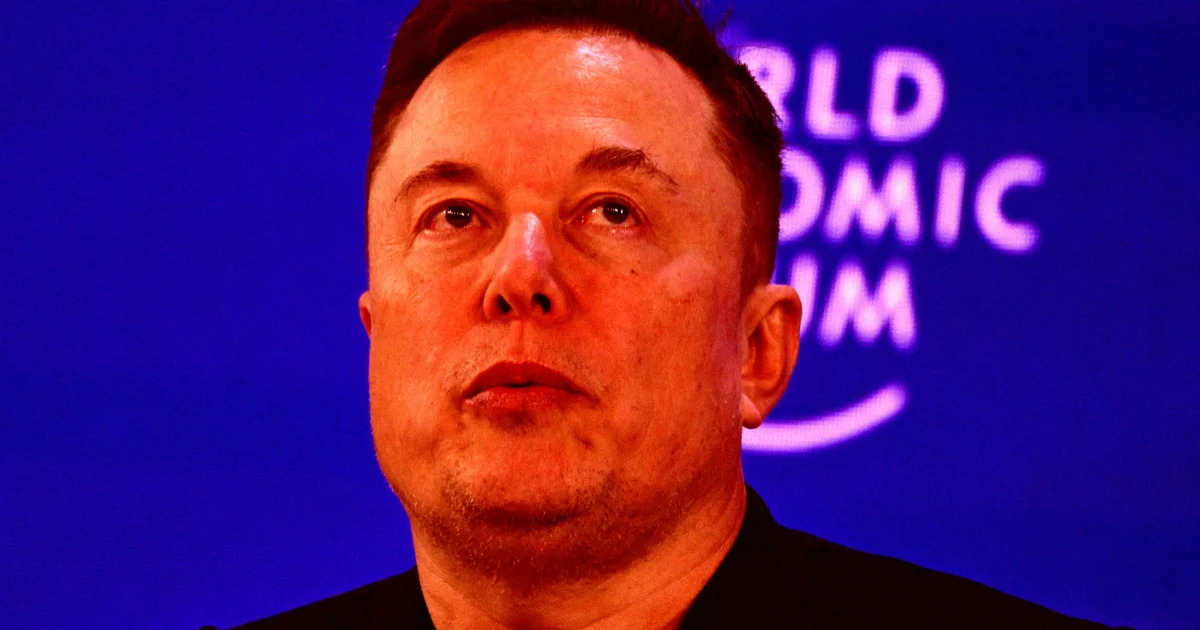
Harun Ozalp/Anadolu via Getty Images
Sign up to see the future, today
Can’t-miss innovations from the bleeding edge of science and tech
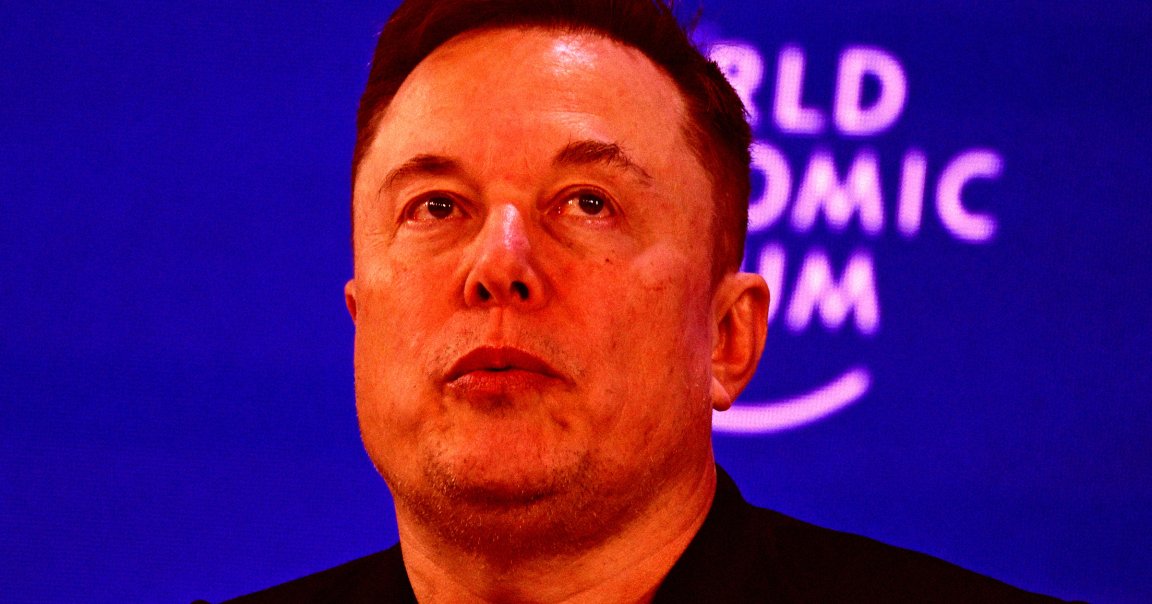
Elon Musk Orders Sweeping Layoffs as xAI Fails to Catch Up. The ambitious journey of Elon Musk’s artificial intelligence startup, xAI, appears to be hitting significant turbulence, marked by a recent round of sweeping layoffs and a public admission from Musk himself that the company needs to be rebuilt “from the foundations up.” This dramatic turn of events, first reported by the *Financial Times* and corroborated by Musk’s own social media posts, paints a picture of a company struggling to find its footing in the fiercely competitive AI landscape, even as it gears up for a colossal public offering alongside SpaceX.
Musk’s recent declaration via a Thursday tweet, stating his intention to “rebuild his AI startup xAI from the foundations up” after acknowledging it “wasn’t built right first time around,” initially struck many as a candid confession of early missteps. However, behind this public transparency lies a more ruthless internal restructuring. Sources close to the company revealed to the *Financial Times* that this “rebuild” is manifesting as a significant wave of layoffs, specifically targeting employees deemed to be underperforming, particularly within the crucial AI coding software division. This move underscores Musk’s growing frustration with the pace and quality of xAI’s development, especially as it races against established and rapidly advancing competitors.
The layoffs are reportedly far-reaching, with a wide array of roles under intense scrutiny. To ensure maximum efficiency and align xAI with his other ventures, Musk has reportedly enlisted higher-ups from Tesla and SpaceX – the latter of which xAI was recently folded into – to conduct stringent audits. Their mandate is clear: identify and weed out any individual perceived as not meeting the demanding performance standards. This directive is likely to be met with apprehension, if not outright dismay, by current staffers. Many xAI employees have already voiced concerns about burnout, a common complaint across Musk’s notoriously high-pressure enterprises, making the added stress of performance reviews and potential job loss a significant blow to morale. This isn’t an isolated incident either; just over a month prior, Musk had alluded to a “reorganization” of xAI that “unfortunately required parting ways with some people,” suggesting a pattern of aggressive personnel adjustments.
Adding to the internal turmoil is a “major exodus of cofounders” that has been underway for the better part of the last year. The departure of key leadership figures creates a substantial vacuum, raising questions about the company’s strategic direction and stability. In a startup, cofounders are typically the bedrock of its vision and execution. Their mass departure suggests deeper underlying issues, perhaps related to creative differences, leadership style, or a fundamental disagreement with the company’s trajectory. Such a brain drain, especially of experienced AI researchers and engineers, can severely impede progress and make it even harder for xAI to attract and retain top talent in a market where skilled AI professionals are in extremely high demand. The combination of leadership departures and new layoffs could foster an environment of instability and uncertainty, further hindering innovation.
The stakes for xAI are astronomically high. Following its merger with SpaceX earlier this year, the combined entity is preparing for a public offering that could command a staggering valuation of $1.25 trillion. This makes xAI’s performance directly tied to one of the largest stock market listings in history. The pressure to deliver a groundbreaking product, particularly its AI chatbot Grok, is immense. Yet, keeping pace in the “heated AI race” against tech giants like OpenAI (with its powerful Codex), Anthropic (and its acclaimed Claude Code), and Google, is proving to be a far more formidable challenge than Musk might have initially anticipated. The decision to “rework the entire thing” just months before such a monumental financial event is a stark indicator of the deep-seated issues plaguing xAI’s development.
Coding, in particular, has emerged as a central point of contention and a primary focus for Musk’s intervention. His frustration stems from the perceived deficiencies in xAI’s AI coding software. To address this, Musk has aggressively poached senior employees from specialized AI coding startup Cursor, signaling a strategic shift and a desperate attempt to fast-track improvements. Inside sources indicate that staffers have grown increasingly concerned that the training data feeding xAI’s chatbot, Grok, is inadequate, causing it to significantly lag behind competitors in its ability to generate and understand code. Musk himself acknowledged this shortcoming at a recent conference, stating, “Grok is currently behind in coding.” He further elaborated on the urgency, noting, “The reason I was late for this was that I was just in a giant sort of all-hands on coding, going through all the things that need to happen to essentially exceed our competitors on coding, which I think we’ll do.” This public acknowledgment underscores the critical nature of the problem and the intense internal efforts being marshaled to overcome it.
Musk’s communication surrounding xAI’s product strategy has often been characterized by opacity and rapid shifts. In August, he announced “Macrohard,” a project presented as a “tongue-in-cheek jab” at competitor Microsoft, hinting at a broader play in enterprise AI or software development. Concurrently, he revealed plans to combine the efforts of Tesla and xAI to develop a “digital Optimus,” presumably an AI counterpart to the carmaker’s humanoid robot. However, the viability and stability of these initiatives are now in question. Toby Pohlen, the former DeepMind researcher tasked with leading the “Macrohard” effort, notably left xAI a mere 16 days after assuming leadership of the project late last month. This extremely rapid turnover in a key leadership position for a newly announced project further highlights the internal disarray and the difficulty of sustaining long-term vision amidst constant pressure and change.
The future of xAI’s coding tool, and indeed the company itself, remains highly uncertain. Apart from those explicitly pushed out by Musk’s directive to “reboot the company from scratch,” inside sources indicate that many employees are opting to leave voluntarily due to burnout. This is an unsurprising development given Musk’s “infamously brutal micromanagement style,” which often demands extreme working hours and relentless pursuit of ambitious, sometimes unrealistic, goals. Insiders lament that this “revolving door of talent” is actively destroying morale, making it difficult to build cohesive teams and foster a stable, innovative work environment. Toby Pohlen’s post-departure comment, “My next priorities: sleep for more than 8h, write down all the things I’ve learnt (I have a list), and then think about what I want to do next,” serves as a poignant, albeit anecdotal, testament to the grueling conditions within xAI.
Ultimately, xAI’s ability to recover from these internal upheavals and successfully compete in the cutthroat AI market hinges on several factors. Can Musk truly rebuild the company’s foundations without alienating more talent? Can xAI quickly close the technological gap in critical areas like AI coding? The immense financial stakes tied to the SpaceX IPO add a layer of urgency and pressure, making these internal struggles a very public and potentially costly affair. The coming months will be crucial in determining whether xAI can transform its current challenges into a pathway for success, or if it will continue to grapple with the instability that has come to define its early, tumultuous journey.
**More on xAI:** Elon Musk Says He’s Epically Screwed Up at xAI, Is Rebuilding “From the Foundationsâ€