Faris Adani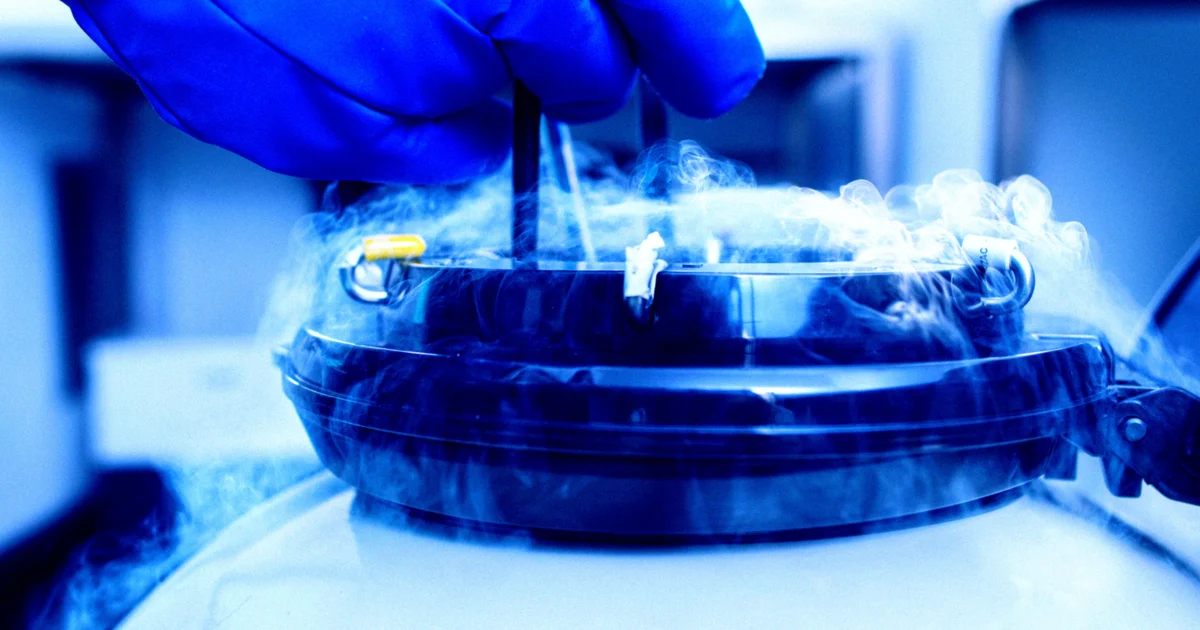
Scientists Achieve Breakthrough: Mouse Brains Revived After Cryosleep-Like Deep Freeze
The tantalizing concept of “cryosleep” – the ability to enter a state of suspended animation, frozen in time, only to awaken centuries later – has long been a cornerstone of science fiction. From the intrepid crews traversing interstellar voids in films like Alien and 2001: A Space Odyssey to the hopeful voyagers of countless novels, the idea of slumbering peacefully while covering vast distances or awaiting future cures has captivated the human imagination. While the dream of interstellar travel through biological stasis remains firmly in the realm of speculative fiction for now, a groundbreaking study from the University of Erlangen-Nuremberg in Germany has brought us a significant step closer to understanding and potentially manipulating life in a deep-freeze state, effectively returning activity to mouse brain tissue after careful preservation and thawing.
Sign up to see the future, today
Can’t-miss innovations from the bleeding edge of science and tech
The Perils of Freezing: Why Traditional Methods Fail
The act of freezing biological tissue is inherently destructive. When water, the primary component of living cells, freezes, it forms sharp, needle-like ice crystals. These crystals can puncture delicate cellular membranes, disrupting their intricate structure and rendering them non-functional upon thawing. Moreover, as water freezes outside cells, it draws water out of the cells themselves, leading to severe cellular dehydration and osmotic stress – a dangerous imbalance of solute concentrations that can further damage cellular machinery and proteins. This complex interplay of physical and chemical stresses has historically been the primary barrier to successful long-term cryopreservation of complex organs and organisms, making the prospect of reversible “cryosleep” seem insurmountable.
Lead author Alexander German, a neurologist at the University of Erlangen-Nuremberg, underscored these pervasive challenges to Nature, stating, “Beyond ice, we must account for several considerations, including osmotic stress and toxicity due to cryoprotectants.” This highlights the intricate balance required; even the solutions designed to prevent ice formation come with their own set of risks, as these chemicals can be toxic to cells at high concentrations.
Vitrification: A Glass-Like State for Preservation
To circumvent the catastrophic damage caused by ice crystal formation, the research team focused on a sophisticated method known as vitrification. Unlike conventional freezing, which allows water to crystallize into ice, vitrification aims to transform the liquid water within and around cells directly into an amorphous, glass-like solid state. This is achieved by cooling liquids at extremely rapid speeds, typically in the presence of high concentrations of cryoprotective agents (CPAs). These CPAs, such as dimethyl sulfoxide (DMSO) or glycerol, work by lowering the freezing point of water, replacing intracellular water, and increasing the viscosity of the solution, thereby preventing the formation of damaging ice crystals and enabling the vitrification process. The result is a solid, yet non-crystalline, matrix that effectively suspends all molecular motion.
“We wanted to see if function could restart after the complete cessation of molecular mobility in the vitreous state,” German explained, articulating the core scientific question driving their experiment. The premise is profound: if brain function is indeed an emergent property of its physical structure, could that structure be perfectly preserved in a “frozen” glass state and then, with careful rewarming, be brought back to a state of biological activity?
The Mouse Brain Experiment: A Glimmer of Hope for Neural Recovery
The team embarked on their ambitious study, detailed in a study published in the journal Proceedings of the National Academy of Sciences, by working with precisely cut 350-micrometer-thick slices of mouse brains. This specific thickness was carefully chosen to allow for efficient and uniform penetration of the cryoprotective agents and, crucially, to ensure rapid cooling and rewarming rates necessary for successful vitrification without internal temperature gradients that could cause damage. These delicate brain slices were meticulously prepared, immersed in a specialized cocktail of cryopreservation chemicals, and then subjected to an extreme cooling process using liquid nitrogen, reaching ultra-low temperatures as cold as -320 degrees Fahrenheit (-196 degrees Celsius). The slices were held in this vitrified state for varying durations, ranging from a mere ten minutes to an entire week, showcasing the potential for sustained preservation.
Upon slow and controlled thawing – a critical step that must be equally precise to prevent damage from devitrification (the formation of ice crystals during rewarming) – the researchers carefully examined the brain slices using advanced microscopy techniques and electrophysiological recordings. Their observations revealed a remarkable outcome: the intricate neuronal and synaptic membranes, the fundamental structures responsible for transmitting electrical and chemical signals in the brain, had remained largely intact despite the extreme ordeal. This structural integrity was a crucial prerequisite for any hope of functional recovery, demonstrating the efficacy of their vitrification protocol.
Beyond Structure: Restoring Learning and Memory Pathways
The true triumph of the study, however, lay in demonstrating not just structural preservation but also significant functional recovery. The researchers conducted rigorous electrophysiological tests to assess the viability and activity of the neurons within the thawed brain slices. They found that the neurons responded to electrical stimuli, exhibiting patterns that, while subtly deviated in some parameters, were largely normal, indicating a remarkable level of functional restoration in key neural circuits.
Most notably, the paper highlights, “hippocampal long-term potentiation (LTP) was well preserved, indicating that the cellular machinery of learning and memory remains operational.” Long-term potentiation is a persistent strengthening of synapses based on recent patterns of activity. It is widely considered to be one of the major cellular mechanisms that underlies learning and memory formation in the brain. The hippocampus, a key brain region, is central to forming new declarative memories. The successful preservation of LTP in the vitrified and thawed brain slices is an astounding achievement, suggesting that the fundamental processes for cognitive function can survive such an extreme preservation method, offering an unprecedented window into the potential for brain revival.
These groundbreaking findings, as the researchers concluded, “extend known biophysical limits for cerebral hypothermic shutdown by demonstrating recovery after complete cessation of molecular mobility in the vitreous state and thus contribute to achieving the objective of structural and functional preservation of neural tissue.” This statement underscores the paradigm shift their work represents in the field of cryobiology.
From Fiction to Function: Real-World Applications Beyond Space Travel
While the image of a human awakening from decades of cryosleep aboard a starship remains a powerful inspiration, the immediate implications of this research are far more grounded and potentially life-saving. Alexander German and his colleagues suggest that their findings could lay critical groundwork for several nearer-term medical breakthroughs:
- Protecting the Brain After Injury: In cases of severe traumatic brain injury (TBI) or ischemic stroke, immediate damage is often compounded by secondary damage that occurs in the hours and days following the initial event. The ability to temporarily suspend brain activity and metabolism could buy crucial time for medical intervention, minimizing long-term neurological deficits and improving patient outcomes.
- Revolutionizing Organ Transplantation: Current organ preservation methods are severely limited, often allowing only a few hours before donor organs become unviable. Extending the viable preservation window for complex organs like hearts, lungs, and kidneys through vitrification could dramatically increase the availability of organs, improve matching between donors and recipients, and allow for more planned, less rushed transplant surgeries, ultimately saving countless lives.
- Advancing Medical Research: The ability to preserve and revive neural tissue with intact function opens entirely new avenues for studying the intricate mechanisms of neurological diseases, testing new therapies, and understanding the complexities of the human brain in unprecedented ways, without the immediate time constraints currently imposed by tissue viability.
- Towards Whole Mammal Cryopreservation: While still a distant prospect, the successful vitrification and functional recovery of brain tissue is a foundational and critical step towards the ultimate goal of suspending entire bodies of mammals through cryopreservation, a concept often explored by organizations like Alcor and the Cryonics Institute for long-term human preservation. This research provides a crucial proof-of-concept for neural viability.
The Road Ahead: Scaling Up and Refining the Process
Despite the monumental achievement, the researchers are acutely aware that significant challenges remain before these techniques can be applied to larger, more complex biological systems. The team is already excited to try out the technique on human tissues, and German notes, “We already have preliminary data showing viability in human cortical tissue.” This is a highly promising sign that the fundamental principles are transferable across species.
However, scaling up from thin mouse brain slices to entire human organs, let alone whole mammals, introduces formidable hurdles. German candidly admitted that achieving widespread application will require “better vitrification solutions and cooling and rewarming technologies.” The delicate balance of cryoprotectant concentration, ensuring uniform penetration into larger volumes, and the precise control of cooling and, critically, rewarming rates without inducing damage, are engineering and biochemical marvels yet to be fully perfected.
The heat transfer dynamics in a larger organ are vastly different from a thin slice, making rapid, uniform cooling and rewarming incredibly difficult without causing thermal stress or re-crystallization. Furthermore, the inherent toxicity of CPAs becomes a greater concern when used in larger volumes and for longer durations. Researchers will need to develop new, less toxic cryoprotectants or innovative delivery and removal strategies to mitigate these risks. The journey from mouse brain slices to full human organs and potentially even whole-body suspended animation is long, but this study provides a powerful beacon of progress.
While we may not yet be ready to lie in stasis awaiting reawakening in an alien planetary system, this research represents a profound leap forward in our understanding of life at its most fragile and resilient. It offers a tangible glimpse into a future where the boundaries of biological preservation are redefined, potentially extending the reach of medicine and, perhaps one day, humanity itself.