Faris Adani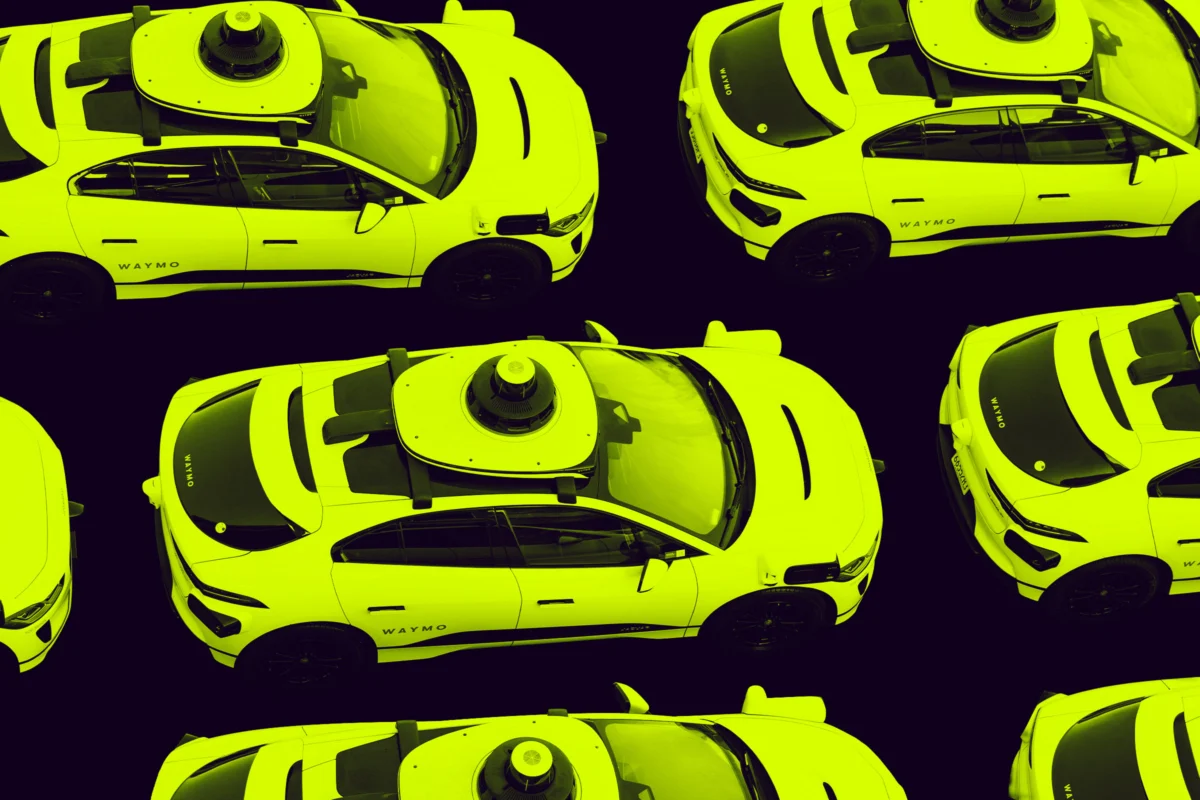
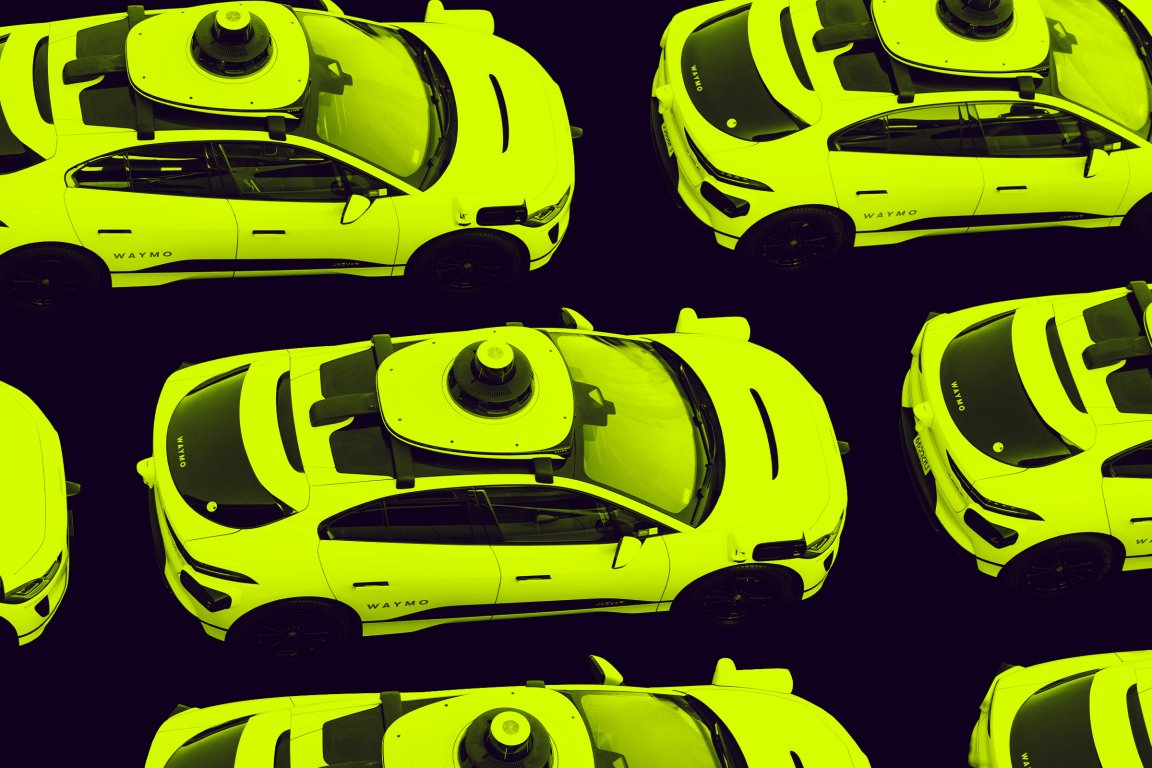
Illustration by Tag Hartman-Simkins / Futurism. Source: Getty Images
Sign up to see the future, today
Can’t-miss innovations from the bleeding edge of science and tech
Self-Driving Cars Slated to Clog Roads With Horrendous Congestion
The vision of a future where self-driving cars glide seamlessly through urban landscapes, reducing traffic, enhancing safety, and optimizing efficiency, has long been a powerful driver for autonomous vehicle (AV) development. Tech evangelists and urban planners alike have painted a picture of smart cities where AI-driven fleets eliminate human error, minimize parking woes, and free up valuable urban space. However, a growing body of research suggests that this utopian dream may be on a collision course with a much more congested and problematic reality. Instead of ushering in a peaceful new era of transportation, it’s increasingly possible that self-driving cars will instead clog up our communities worse than ever, turning the promise of smart mobility into an endless labyrinth of gridlock, potentially even surpassing the frustrations of sharing asphalt with your grandma’s ’98 Corolla.
Recent findings, including a significant research paper published in the esteemed *Travel Behaviour and Society* journal, cast a long shadow over these optimistic projections. This comprehensive study, which meticulously analyzed the potential impact of automated vehicles across various US cities, found a concerning 6 percent increase in Vehicle Miles Traveled (VMT). VMT, often referred to as a “mileage odometer” for an entire city or region, is a crucial metric that measures the total amount of travel undertaken by all vehicles over a specific period. An uptick in this figure directly correlates with heightened congestion, increased greenhouse gas emissions, greater consumption of non-renewable resources, and accelerated wear-and-tear on critical public infrastructure. What makes this finding particularly noteworthy is that this rise in VMT is observed regardless of whether the autonomous vehicles are engaged in carpooling or transporting a solo traveler, suggesting systemic issues inherent to AV deployment rather than mere individual user behavior.
The Hidden Costs of Autonomy: Deadheading and Mode Shift
The primary drivers behind this anticipated surge in VMT are multifaceted, stemming from both the operational characteristics of AV fleets and significant shifts in consumer behavior. One of the most prominent contributors is what researchers term “deadheading.” This phenomenon refers to instances when a self-driving taxi operates without any passengers inside – traveling to pick up a new fare, repositioning itself to an area of higher demand, returning to a charging station, or heading back to a depot after a drop-off. These empty trips, while operationally necessary for the efficient functioning of a ride-hailing service, add considerable and often invisible mileage to the roads without directly serving a passenger. This means that a significant portion of a robotaxi’s operational time is spent simply moving itself into position, rather than actively transporting people. Data from the California Public Utilities Commission (CPUC), highlighted by *The Driverless Digest*, revealed a stark reality: deadhead miles constituted nearly half of Waymo’s total travel in San Francisco across 2025. This implies that for every mile a Waymo vehicle transported a paying customer, it traveled almost another mile completely empty. Such inherent operational inefficiencies, if not strategically addressed, will dramatically inflate the total number of vehicles on the road at any given time, exacerbating traffic congestion and negating some of the environmental benefits promised by electric AVs due to increased energy consumption.
Beyond deadheading, the advent of driverless cars is also predicted to trigger a substantial “mode shift” in how people choose to commute and travel. When autonomous vehicles make frictionless, door-to-door travel easier, more convenient, and potentially more affordable than traditional ride-hailing, private car ownership, or even public transportation, a significant portion of the population who can afford it tends to ditch buses, trains, cycling, and walking for a private and more comfortable ride. While this might be a preferable option on an individual level, offering unparalleled convenience, privacy, and the ability to reclaim commute time for work or leisure, it carries severe collective consequences. A mass exodus from public transportation systems would not only increase the amount of traffic on the road for the collective but also undermine the financial viability and long-term sustainability of vital public transit networks. Cities that have invested heavily in robust public transport infrastructure could see their efforts negated as commuters opt for solitary AV rides, leading to a vicious cycle of reduced ridership, service cuts, and further reliance on private vehicles. This shift also raises concerns about equity, as access to convenient AV services might not be universally affordable, potentially creating a two-tiered transportation system.
Broader Implications: Beyond the Traffic Jam
The consequences of increased VMT extend far beyond merely longer traffic jams. The cumulative effect of more vehicles traveling more miles translates into a host of detrimental impacts on urban environments and societal well-being. In real life, that means not just longer traffic jams and less predictable commutes, but also an accelerated rate of wear-and-tear on city roadways. This necessitates more frequent and costly maintenance, diverting precious municipal funds that could otherwise be allocated to public services, educational programs, parks, or other essential infrastructure improvements. The sheer volume of traffic could also lead to significantly increased noise pollution, further degrading the quality of urban life for residents and impacting public health.
Environmentally, while electric autonomous vehicles hold the promise of reduced tailpipe emissions, the sheer increase in VMT still presents significant challenges. More driving means more energy consumption, regardless of the power source, putting greater strain on electricity grids and potentially increasing the demand for energy generation, which might still rely on fossil fuels. Furthermore, increased tire and brake wear from higher mileage contributes to microplastic pollution and airborne particulate matter, impacting air quality in ways not addressed by electrification alone. The environmental benefits of AVs are often predicated on high utilization rates and widespread adoption of shared rides, scenarios that current research suggests are far from guaranteed and require proactive policy.
Long-term, the effects on commuters and urban economies may even impact local job markets and overall productivity. Prolonged commutes and unpredictable travel times can lead to increased stress, reduced leisure time, and a tangible decrease in worker efficiency. Businesses relying on timely logistics and deliveries would face higher operational costs and delays, hindering supply chains and commerce. The economic vibrancy of cities, which often hinges on the efficient movement of people and goods, could be significantly hampered, creating a ripple effect across various sectors, as highlighted by reports on the link between transportation investment and economic growth. Moreover, the dedication of more urban space to moving and storing vehicles could detract from pedestrian-friendly areas, green spaces, and community hubs, impacting overall urban livability.
Navigating the Future: The Imperative for Thoughtful Planning
This looming challenge underscores the critical need for thoughtful municipal planning and proactive policy intervention. The future of autonomous vehicles is not predetermined; it will be profoundly shaped by the regulatory frameworks, urban design choices, and economic incentives we implement today. Without some immediate and thoughtful municipal planning, we could soon find ourselves trapped in an endless labyrinth of gridlock, sacrificing the very urban quality of life we seek to improve and potentially creating more problems than AV technology solves.
Cities and policymakers must consider a range of innovative strategies to mitigate the potential negative impacts and harness the true benefits of AV technology. These could include:
- **Congestion Pricing and Dynamic Fees:** Implementing dynamic pricing mechanisms for AVs, especially for single-occupancy or deadheading vehicles, could discourage unnecessary travel and incentivize shared rides. This revenue could then be reinvested into public transportation improvements, active transport infrastructure, or road maintenance.
- **Mandates and Incentives for Shared Mobility:** Encouraging or even mandating shared autonomous vehicle services, particularly in dense urban cores, could significantly reduce the number of vehicles on the road. Policies could prioritize shared AVs over private or single-occupancy robotaxis through differentiated licensing or operational permits.
- **Seamless Integration with Public Transit:** Instead of competing, AVs could be strategically integrated as efficient “first-mile/last-mile” solutions, seamlessly connecting commuters to existing public transit hubs. This would enhance the reach and convenience of public transport, making it a more attractive and viable option for a broader demographic.
- **Dedicated Infrastructure:** Creating dedicated lanes or zones for high-occupancy AVs, public transit, or shared mobility services could ensure efficiency and reliability, preventing these crucial services from being bogged down by general traffic.
- **Smart Fleet Management Optimization:** Requiring AV operators to implement highly optimized dispatching algorithms and real-time demand prediction to minimize deadheading and strategically locate charging or parking hubs to reduce unnecessary travel. Data transparency from operators could be a key component.
- **Prioritizing Sustainable Urban Design:** Continuing to prioritize pedestrian, cycling, and robust public transport infrastructure in city planning. Autonomous vehicles should be seen as one component of a holistic, multi-modal transportation ecosystem, not its sole solution. Urban design should focus on reducing the overall need for car travel, regardless of whether it’s human-driven or autonomous.
The promise of self-driving cars — enhanced safety, accessibility for those who cannot drive, and potentially reduced emissions through electrification — remains compelling. However, realizing this promise requires a clear-eyed understanding of the potential pitfalls and a proactive approach to governance. The current trajectory suggests that without deliberate and forward-thinking intervention from urban planners, regulators, technology developers, and citizens alike, our roads could become more congested, not less. The challenge is to steer this innovation towards a future that genuinely benefits all urban dwellers, ensuring that the convenience of autonomous travel doesn’t come at the cost of livable, sustainable, and equitable cities.
More on self-driving cars: Waymos Are a Huge Drain on Public Resources, Government Data Shows