Faris Adani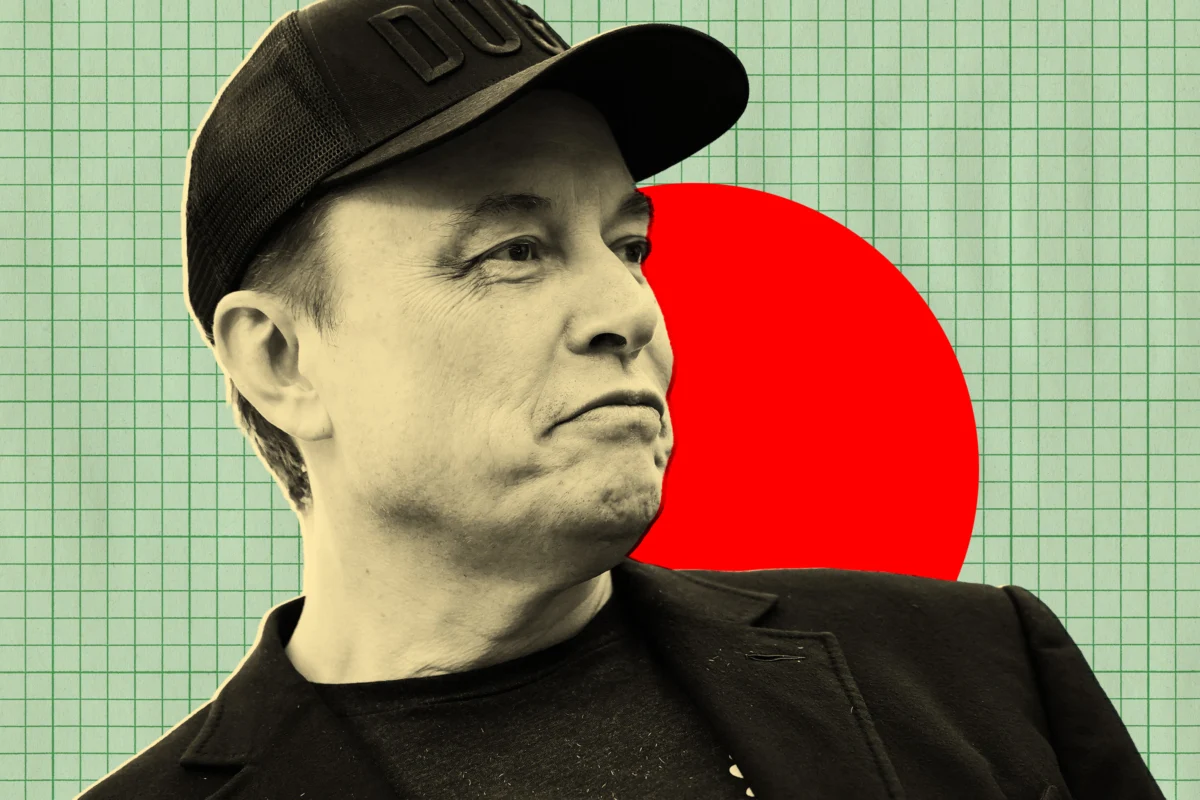
US District Judge Yvonne Gonzalez Rogers has delivered a pivotal ruling in the escalating legal battle between technology mogul Elon Musk and the artificial intelligence powerhouse OpenAI, declaring that Musk’s alleged ketamine use will be inadmissible as evidence in the upcoming trial. This decision, handed down during a Friday hearing in California, offers a significant shield to Musk, potentially saving him from further public scrutiny and embarrassment over widely reported allegations of his recreational drug habits. The ruling echoes a sentiment reminiscent of the internet-famous plea, "Leave Britney alone!", suggesting a judicial boundary drawn around the intensely personal aspects of a public figure’s life, even amidst high-stakes litigation.
The legal showdown between Musk and OpenAI, a company he co-founded, has been brewing for years, rooted in a fundamental dispute over the organization’s mission and trajectory. However, the pre-trial skirmishes have frequently veered into Musk’s personal life, particularly his rumored and, in part, admitted use of ketamine. For a considerable period, whispers and outright speculation have circulated regarding Musk’s relationship with the dissociative anesthetic, known for its hallucinogenic properties. These claims gained substantial traction when Musk himself publicly acknowledged using prescribed ketamine to manage depression, an admission that, while framed as therapeutic, inadvertently fueled the broader narrative of his drug use.
The scrutiny intensified dramatically in 2024 when The Wall Street Journal published a bombshell report detailing Musk’s alleged use of various illicit substances. Citing sources close to the billionaire, the Journal claimed Musk indulged in LSD, cocaine, ecstasy, and psilocybin mushrooms, often at private, "drug-fueled parties." Crucially, the report highlighted that his use of ketamine was reportedly ongoing. This particular detail raised serious alarms, not just for Musk’s personal well-being, but for the stability and security of his vast corporate empire. Companies like SpaceX, Tesla, Neuralink, and X (formerly Twitter) frequently engage in sensitive federal contracts, and concerns mounted that a CEO with an illegal drug habit could potentially jeopardize these vital governmental relationships, drawing the attention of corporate boards, investors, and federal agencies alike.
The narrative took an even more alarming turn in May 2025 with a comprehensive report from The New York Times. This exposé suggested Musk’s recreational drug use was far more extensive than previously understood. The Times claimed Musk carried a daily pillbox containing approximately 20 capsules, allegedly stuffed with substances including Adderall. Furthermore, the report asserted that he was taking ketamine almost daily, sometimes combining it with other drugs of choice. The severity of this alleged habit was underscored by a deeply personal revelation: Musk reportedly confided in others that his prodigious drug use was causing significant bladder issues, hinting at serious health consequences.
Beyond the personal and corporate implications, Musk’s alleged drug use quickly morphed into a national political issue. At the time of the New York Times report, Musk was a prominent and active figure in Donald Trump’s re-election campaign, and the original article controversially noted his "actively involved in gutting the federal government through his pet project DOGE," which could be interpreted as a satirical or critical reference to his political influence and disruptive tendencies. Given his proximity to power, the allegations prompted questions about national security and the integrity of high-level discussions. Following his public falling out with Musk, Trump himself was grilled by the press about the allegations, notably stating he "could not rule out the possibility" that his billionaire "First Buddy" had taken drugs while physically present in the White House. "I really don’t know," Trump reportedly said, adding, "I hope not." This exchange underscored the gravity of the situation, transforming what might otherwise be tabloid fodder into a matter of public accountability for a powerful figure operating at the nexus of technology, finance, and politics.
Experts and public commentators frequently pointed to Musk’s alleged ketamine habit as a potential explanation for years of increasingly bizarre and erratic public behavior. Observers noted instances such as his appearance at a Conservative Political Action Conference (CPAC) where, reportedly acting "blasted out of his mind" and conspicuously wearing shades, he waved a literal chainsaw on stage to symbolize his purported commitment to slashing federal spending. While intended as a dramatic gesture, many perceived it as an unhinged performance. More controversially, reports also emerged of him "losing control of his facial muscles in spaced-out fashion before giving Nazi salutes" – a highly inflammatory and widely criticized observation that, if true, would represent a significant lapse in judgment and public decorum, further fueling concerns about his mental state and fitness for leadership. Such incidents, when viewed through the lens of alleged drug use, painted a troubling picture of a leader whose public actions appeared increasingly unpredictable and detached from conventional norms.
Despite this extensive public discourse and the gravity of the allegations, Judge Gonzalez Rogers has deemed Musk’s ketamine use largely irrelevant to the core legal arguments in the upcoming trial. The lawsuit itself centers on Musk’s claim that OpenAI, which he co-founded with current CEO Sam Altman, fundamentally betrayed its original non-profit mission to pursue the public good. Musk left OpenAI in 2018, reportedly due to growing disagreements with Altman’s leadership and the company’s evolving direction. He filed the suit in 2024, attempting to block OpenAI’s restructuring into a for-profit public benefit corporation, a transformation it completed last year. This restructuring paved the way for the company’s meteoric rise, with reports now indicating OpenAI is seeking to go public in what is widely anticipated to be a historic, trillion-dollar IPO – a valuation that dramatically highlights the stakes of the ongoing legal battle. Musk is now seeking a staggering $134 billion in damages from OpenAI and its major investor, Microsoft, which poured billions into the ChatGPT maker after Musk’s departure.
In her ruling, Judge Gonzalez Rogers explained that allowing OpenAI’s legal team to question Musk about his alleged ketamine use on the witness stand would be unduly prejudicial and irrelevant to the fraud claims, unless the defense could provide specific, compelling evidence demonstrating how the tranquilizer’s "mind-altering effects" directly impacted Musk’s decision-making or understanding during critical negotiations with OpenAI. The judge’s rationale appears to be focused on maintaining the trial’s focus on contractual obligations and fiduciary duties rather than devolving into a character assassination based on personal habits.
However, the judge did grant a limited exception regarding Musk’s attendance at Burning Man. OpenAI’s lawyers successfully argued that a "lot of significant communications" between Musk and the company transpired while he was at the notoriously "trippy festival" in the Nevada desert, known for its atmosphere of "drug-fueled debauchery." This distinction is crucial: while general drug use is off-limits, specific instances where his state of mind might have directly influenced contractual discussions or agreements during a period of alleged intense communication could be deemed relevant. This opens a narrow avenue for OpenAI to probe Musk’s recollection and judgment during those particular periods, potentially seeking to establish a context where his capacity to engage in serious business negotiations might have been compromised.
The implications of this trial extend far beyond the personal fortunes of Elon Musk. It touches upon fundamental questions of corporate governance in the rapidly evolving AI sector, the responsibilities of founders to their initial mission statements, and the immense financial stakes involved in shaping the future of artificial intelligence. While the judge’s ruling aims to keep the trial focused on these core issues, the public’s fascination with Elon Musk’s personal conduct, particularly his alleged drug use, continues to underscore the unique intersection of celebrity, power, and cutting-edge technology in the modern era. The upcoming trial promises to be a landmark case, regardless of whether Musk’s personal habits remain relegated to the realm of speculation rather than courtroom testimony.