Joko Widodo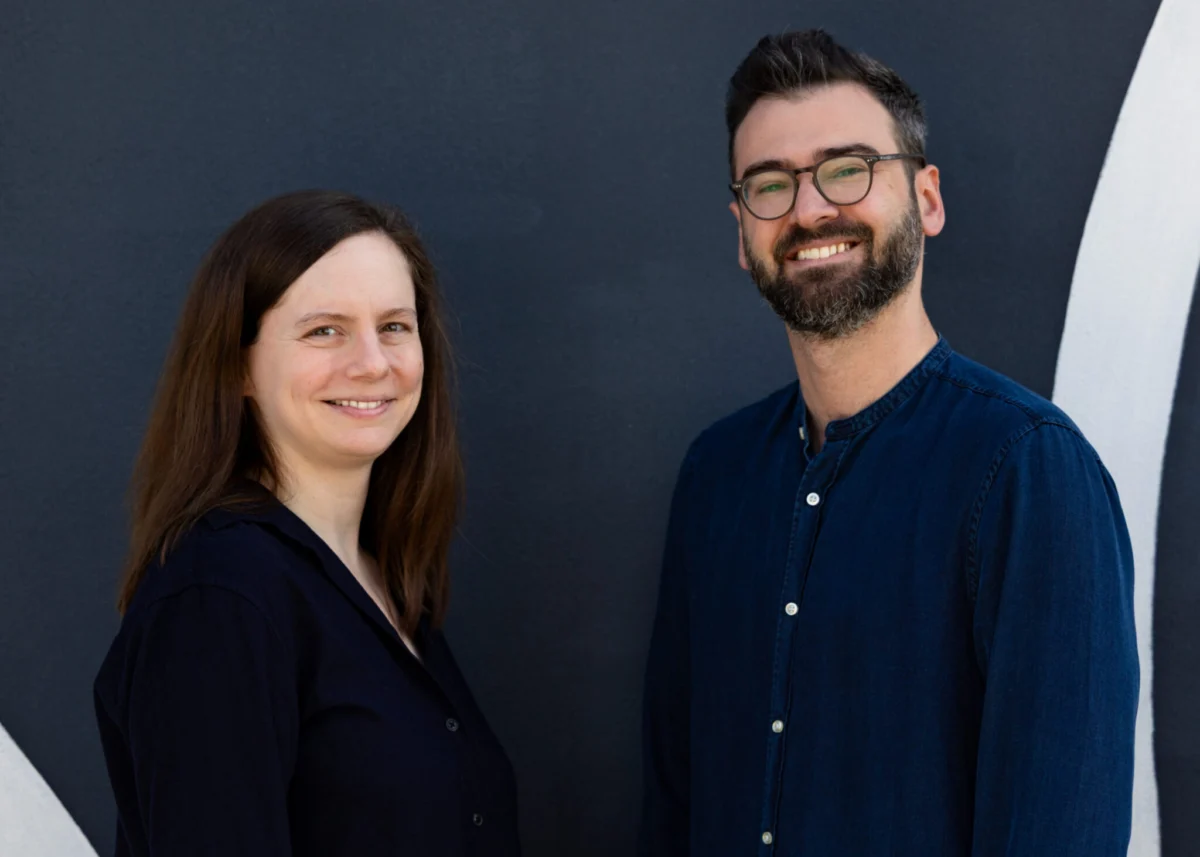
The solemn quiet of a funeral home often amplifies the grief felt by bereaved families, yet for Sam Gerstenzang, this traditional setting became the crucible for a groundbreaking entrepreneurial vision. Just a few years ago, following the profound loss of his grandfather, Gerstenzang found himself navigating the labyrinthine process of funeral arrangements. Instead of solace, he encountered a system riddled with opaque pricing, generic offerings, and logistical nightmares. Faced with the stark choice between "Silver, Gold, or Platinum" packages, the experience felt less like a tribute to a beloved family member and more like a transactional, overpriced commodity. The emotional toll was immense, compounded by the feeling of being taken advantage of during one of life’s most vulnerable moments. "You’re in a very tough spot mentally and emotionally," Gerstenzang recounted, reflecting on the distress. "To feel taken advantage of — and then feel that the person you love isn’t being honored the way they should — it’s not a good feeling." This deeply personal disappointment ignited a fierce determination in the serial entrepreneur to transform the archaic deathcare industry, leading him to co-found Meadow Memorials.
In January 2024, Gerstenzang, alongside co-founder Emma Gilsanz, launched Meadow Memorials, a New York-based startup that boldly describes itself as a "contemporary funeral home without the home." This innovative concept aims to dismantle the traditional, often impersonal, and costly model of funeral services, offering families a compassionate, transparent, and personalized alternative during their time of need. Meadow Memorials is not just another funeral service provider; it’s a technology-driven platform designed to simplify and humanize the process of memorializing loved ones.
The sheer burden of making countless decisions—from choosing a casket to coordinating a service—is overwhelming for anyone grappling with grief. Compounding this challenge, funeral arrangements often represent one of the largest unplanned purchases a family will ever make. Meadow steps into this void, offering a streamlined, empathetic solution. Families can arrange comprehensive funeral services with unprecedented ease, either over the phone or entirely online. This digital-first approach eliminates the need for distressing in-person visits to a traditional funeral home, allowing families to plan from the comfort and privacy of their own homes. Furthermore, Meadow has cultivated a curated network of unique venues, enabling memorial services to be held in spaces that genuinely reflect the deceased’s life and personality. Imagine a celebration of life at a picturesque wedding venue available on off-peak evenings, or a heartfelt gathering in a charming local chapel, rather than the often somber and generic confines of a conventional funeral parlor. This flexibility ensures that each service is a truly bespoke tribute.
"Because we’re software-enabled and not stuck in the way things used to be, we can offer honest pricing and unmatched hospitality," Gerstenzang proudly stated in an interview with Crunchbase News. This ethos of transparency and customer-centricity underpins Meadow’s entire operation, setting it apart in an industry long criticized for its lack of both. The company recently announced a significant financial milestone, securing a $9 million Series A funding round. This substantial investment was led by prominent figures Lachy Groom and Haystack, following an earlier $2 million seed round in 2024. Uniquely, the initial capital for both Meadow and Moxie, Gerstenzang and Gilsanz’s other venture, originated from their own permanent capital firm, Boulton & Watt. This strategic vehicle allows the founders to lead their own seed rounds, demonstrating a strong commitment and belief in their ventures from the outset.
Meadow’s innovative business model hinges on stripping away the most prohibitive cost associated with traditional funeral services: real estate. By deliberately forgoing expensive physical storefronts and leveraging advanced software for all administrative and operational tasks, Meadow significantly reduces its overhead. This asset-light, tech-forward approach translates directly into dramatically lower prices for families, a stark contrast to the bloated costs prevalent in the industry. According to the National Funeral Directors Association, the national median cost of a funeral with a viewing and burial was $8,300 in 2023, while a funeral with cremation averaged $6,280. Meadow, through its optimized model, claims to offer services that are substantially more affordable. Gerstenzang notes that a typical funeral arranged through Meadow can cost around just $1,300, representing a massive saving for families already facing financial strain during a difficult time.
The reason for the high costs in the traditional sector is often rooted in antiquated practices and profit motives. "There are a lot of markups on coffins [at funeral homes], because of the increased rate of cremation," Gerstenzang explained. "So a lot of funeral homes really want you to do a burial. They want you to do an elaborate service because that’s how they make their money. And there’s a ton of markup embedded in that." Meadow aims to dismantle this exploitative model by focusing on value, transparency, and consumer choice, rather than upselling unnecessary and expensive items.
Sam Gerstenzang’s journey to disrupting the deathcare industry is rooted in a distinguished career marked by scaling complex systems and leading product innovation. An alumnus of payments giant Stripe, where he spearheaded product teams for consumer payments, Gerstenzang honed his expertise in building efficient, user-friendly digital platforms. This background proved invaluable when he and Emma Gilsanz co-founded Moxie in 2022, a company designed to empower nurses to establish their own medspas. Through both Moxie and Meadow, Gerstenzang has identified a compelling pattern: highly regulated markets that profoundly impact millions of people, yet have remained largely untouched by meaningful innovation for decades. These "unsexy" industries, often overlooked by venture capitalists, represent ripe opportunities for technological disruption and improved consumer experiences.
The funeral industry, in particular, has been dominated by what Gerstenzang describes as "private-equity rollups." Large corporations acquire local, often family-owned, funeral homes, deceptively retaining the original names to maintain a facade of trusted community service. Behind this veneer, however, prices are quietly hiked, and the personalized touch that once defined these establishments gradually erodes. Meadow’s business model, with its emphasis on transparency and personalization, appears to be deeply resonating with consumers tired of this status quo. The company has demonstrated impressive traction, tripling its revenue from 2024 to 2025 and projecting another threefold increase in 2026. In February alone, Meadow worked with more than 400 families, a testament to the growing demand for its modern approach.
Having established itself as the largest independent funeral home in California, Meadow is now embarking on an ambitious expansion strategy. The company recently broadened its reach into Texas and Washington, with plans to enter Arizona and five additional states within the current year. This rapid growth underscores the widespread need for a more compassionate and efficient alternative to traditional funeral planning.
A significant and growing segment of Meadow’s business, nearly a third, now comes from "pre-planning." This service caters to individuals who, having recently navigated the emotional and logistical complexities of burying their own parents or loved ones, wish to spare their children and families the same burden. Pre-planning allows individuals to make their own end-of-life arrangements in advance, ensuring their wishes are honored and alleviating immense stress for their survivors. Meadow offers both direct cremation and full funeral services, accommodating a diverse range of family wishes and cultural preferences.
"We fundamentally care about the quality of what we do," Gerstenzang affirmed. "We believe we can actually increase quality as we scale because our software allows our team to spend their time working directly with customers, rather than dealing with paperwork the same way it’s been done for 50 years." This statement encapsulates Meadow’s core philosophy: leveraging technology not to automate empathy away, but to free up human capacity for genuine connection and personalized service.
Semil Shah, founder and general partner at Haystack, a lead investor in Meadow, drew parallels between Meadow’s potential and his firm’s early investments in now-ubiquitous platforms like DoorDash and Instacart. "We know when there’s a broken, unsexy industry that hasn’t adapted to serve the modern consumer," Shah articulated via email. "Meadow’s combination of software operations with unmatched hospitality is exactly what the deathcare industry needs and what families deserve." This investor perspective highlights the immense opportunity that exists in overlooked sectors, where a blend of technological innovation and a deep understanding of customer needs can lead to transformative change.
Meadow Memorials stands at the forefront of a much-needed revolution in the deathcare industry. By challenging outdated models, embracing transparency, and prioritizing the emotional and practical needs of grieving families, Sam Gerstenzang and Emma Gilsanz are not just building a company; they are reshaping how society approaches end-of-life planning. Their vision offers a future where memorializing a loved one is a process marked by dignity, personalization, and peace of mind, rather than financial exploitation and emotional distress. With substantial funding, a proven model, and a compassionate mission, Meadow is poised to redefine the standards of funeral care, offering a beacon of hope for families navigating life’s most challenging transitions.