anjir abdul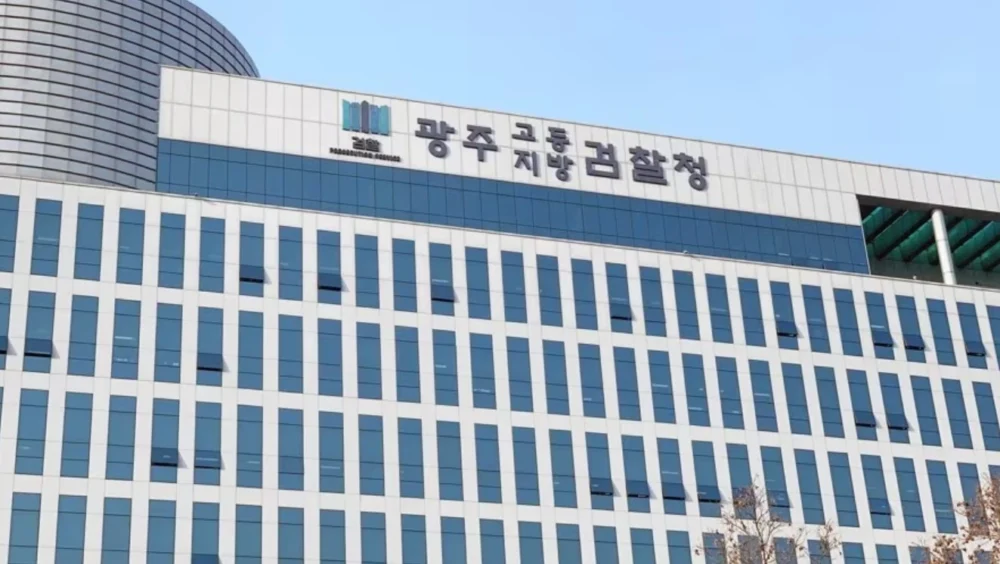
South Korean authorities have successfully liquidated 320.8 Bitcoin (BTC) that had been recovered following a sophisticated phishing incident, channeling 31.59 billion Korean won (approximately $21.5 million) into the national treasury. The Gwangju District Prosecutors’ Office meticulously managed the sale of the digital assets in small, strategic batches over an 11-day period, from February 24 to March 6, to mitigate any potential disruption to the volatile cryptocurrency market, as reported by local media. This landmark sale marks a significant step in the nation’s evolving approach to managing seized digital assets and combating cybercrime.
The journey of these particular Bitcoin units is a convoluted narrative involving illegal gambling, a high-stakes cyberattack, and an unexpected recovery. The cryptocurrency was initially seized from a prominent suspect accused of orchestrating an extensive illegal gambling operation. This illicit enterprise reportedly facilitated an staggering 390 billion won (around $285 million) in wagers between 2018 and 2021, highlighting the immense scale of organized digital crime that law enforcement agencies in South Korea are increasingly confronting. The seizure of such a substantial amount of Bitcoin underscored the growing preference of criminal organizations for digital currencies due to their perceived anonymity and ease of cross-border transfers.
However, the government’s custody of these valuable digital assets was temporarily compromised in August 2025. During a routine handover process between asset managers, a sophisticated phishing attack successfully diverted the Bitcoin. The incident involved government officials being tricked by a meticulously crafted phishing website, designed to mimic legitimate internal systems, which led them to inadvertently transfer the seized funds to an unauthorized address. This breach sent shockwaves through the Gwangju District Prosecutors’ Office, exposing a critical vulnerability in their digital asset management protocols. The immediate aftermath involved a frantic internal investigation and a desperate scramble to trace the pilfered funds, which were swiftly moved to a hacker’s anonymous wallet on the blockchain. The incident served as a stark reminder that even government entities, tasked with upholding the law, are not immune to the pervasive threats of cybercrime. Cybersecurity experts later highlighted the need for enhanced training, multi-factor authentication for all digital asset transfers, and regular security audits of all systems handling sensitive digital assets, especially those with significant financial value.
The recovery process was a testament to persistent investigative efforts and international cooperation. Upon realizing the theft, South Korean authorities, leveraging their expertise in blockchain forensics, initiated a rigorous tracing operation. They collaborated with domestic and overseas cryptocurrency exchanges, submitting requests to freeze the hacker’s identified wallet address. This crucial step effectively rendered the stolen Bitcoin illiquid for the hacker, severely limiting their ability to cash out the funds without detection. The pressure mounted on the perpetrator, as the global nature of the crypto market meant that any attempt to move or sell the assets would likely be flagged by the collaborating exchanges.

In a highly unusual turn of events, on February 17, the Bitcoin was returned to a government-controlled wallet. Two days later, on February 19, the Gwangju District Prosecutors’ Office announced that the hacker had "unexpectedly sent back" the 320.88 Bitcoin. While the exact motivations behind the hacker’s decision remain speculative, possibilities range from an inability to liquidate the frozen assets, fear of imminent capture due to the extensive tracing efforts, or even a strategic move to mitigate further legal repercussions. Regardless of the reason, the return allowed the authorities to transfer the recovered assets to a secure exchange wallet under their direct control, setting the stage for their eventual sale. This incident underscores the double-edged sword of blockchain transparency: while it allows for anonymous transactions, it also leaves an indelible trail that, with sufficient resources and expertise, can be followed.
The subsequent sale of the 320.8 BTC was executed with meticulous care. Recognizing the inherent volatility and relatively illiquid nature of large Bitcoin holdings when compared to traditional financial assets, authorities opted for a phased selling strategy. Over 11 days, between late February and early March 2026, the Bitcoin was sold in small, manageable batches at prevailing market prices. This deliberate approach was designed to prevent a sudden influx of a large volume of Bitcoin onto exchanges, which could have triggered a significant price dip and reduced the overall value recovered for the national treasury. During this period, the broader cryptocurrency market experienced moderate fluctuations, with Bitcoin consolidating gains after an earlier rally. This provided a window where smaller sales could be absorbed without causing undue market ripples, maximizing the return for the government. Financial analysts praised this pragmatic approach, suggesting it sets a precedent for how governments worldwide might liquidate seized digital assets in a responsible manner, balancing the need for recovery with market stability. The 31.59 billion Korean won (approximately $21.5 million) generated from the sale represents a significant recovery for the national treasury, demonstrating the tangible benefits of successful cybercrime investigation and asset recovery.
Beyond this specific case, South Korea’s legal and financial landscape is undergoing a broader re-evaluation of how digital assets are treated. In parallel developments, courts across the nation are reconsidering how crypto-related losses are handled in personal rehabilitation (debt restructuring) cases. Traditionally, speculative investments, including early forms of cryptocurrency trading, were often viewed as "non-dischargeable" debts or treated less favorably in bankruptcy proceedings, leaving individuals burdened with significant repayment obligations even after court-supervised restructuring.
However, a new paradigm is emerging. According to a Sunday report from local outlet EToday, newly established rehabilitation courts in key cities such as Daejeon, Daegu, and Gwangju are actively preparing new guidelines. These guidelines are expected to generally exclude stock and cryptocurrency investment losses from liquidation value calculations. This pivotal shift signifies a more mature and nuanced understanding of digital assets within the legal framework. It would effectively treat crypto investment losses more akin to ordinary asset losses, rather than purely speculative debts. For individuals undergoing court-supervised debt restructuring, this could lead to significantly lower repayment obligations, offering a crucial lifeline to those who have faced substantial financial setbacks from cryptocurrency investments. This change reflects a growing recognition by the judiciary that cryptocurrencies, while still volatile, have become an integrated part of the broader financial landscape, and losses incurred through them should be handled with a similar judicial standard as other asset classes. This progressive stance could provide a model for other jurisdictions grappling with similar challenges in the burgeoning digital economy.
The successful recovery and strategic sale of the 320.8 BTC by the Gwangju District Prosecutors’ Office represent a multi-faceted victory for South Korea. It underscores the nation’s increasing capability in combating sophisticated cybercrime, tracing digital assets across complex blockchain networks, and effectively managing their liquidation. It also highlights the critical importance of robust cybersecurity protocols within government agencies to safeguard seized digital assets. Furthermore, the evolving judicial perspective on cryptocurrency losses in personal rehabilitation cases signals a broader, more integrated approach to digital assets within the country’s legal and financial systems. As cryptocurrencies continue to gain mainstream acceptance and become intertwined with various aspects of the economy, such proactive measures by law enforcement and the judiciary are essential for maintaining stability, protecting citizens, and fostering a secure environment for digital innovation. The lessons learned from this incident, from the vulnerabilities exposed by the phishing attack to the strategic market-conscious sale, will undoubtedly inform future policies and practices concerning digital assets in South Korea and potentially serve as a model for global cooperation in the ongoing fight against cybercrime.