Faris Adani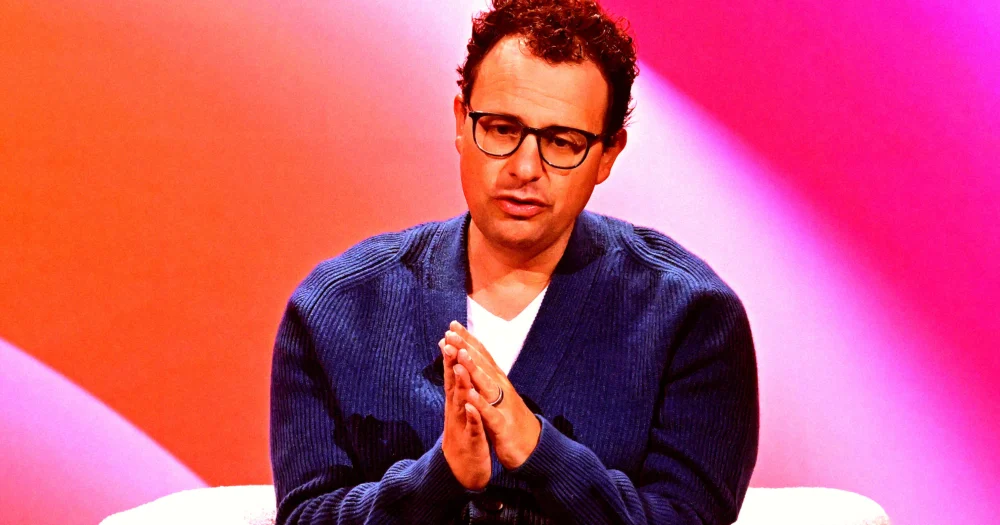
In a stunning reversal that sent ripples through the burgeoning artificial intelligence industry and Washington D.C. alike, Anthropic CEO Dario Amodei has issued a contrite, almost groveling apology, retracting his sharp criticisms of President Donald Trump and swiftly aligning his company’s stance with the Pentagon’s demands. This dramatic shift came mere hours after Anthropic, a leading AI research firm, was unprecedentedly designated a “supply chain risk” by the US Department of Defense, a move that starkly underscored the immense pressure tech companies face when their ethical guidelines clash with national security imperatives.
The saga began last week when Amodei, long an advocate for responsible AI development, appeared to stand firm on his principles. He had vehemently insisted that Anthropic’s advanced AI models, such as the widely recognized Claude, should not be deployed by the military for mass surveillance of American citizens or for controlling lethal autonomous weapons systems without direct human intervention. This principled stance was articulated in an internal memo, later leaked to The Information, where Amodei did not mince words. In the memo, he launched a scathing attack on fellow OpenAI co-founder and current CEO Sam Altman, accusing him of "bending the knee" to political power. Amodei specifically claimed Altman had offered "dictator-style praise" to President Trump and had attempted to curry favor through political donations, suggesting a troubling capitulation of ethical standards for commercial gain and political expediency.
Amodei’s initial broadside against OpenAI and, by extension, the Trump administration’s perceived influence over the tech sector, put Anthropic in an undeniably precarious position. The AI industry, a critical frontier for both economic growth and national defense, has been increasingly scrutinized for its ethical implications, particularly concerning military applications. Amodei’s stance positioned Anthropic as a champion of ethical AI, drawing a clear line in the sand regarding the "red lines" of technology deployment. However, the response from official channels was swift and severe, demonstrating the formidable power of governmental pressure.
The other shoe dropped with decisive force on Thursday when the Pentagon officially declared Anthropic a "supply chain risk," effective immediately. This designation, the first time a US company has ever been labeled as such, carries significant weight, effectively blacklisting the company from future defense contracts and potentially signaling to other government agencies and even private sector partners that engaging with Anthropic carries heightened risks. The unprecedented nature of this move highlighted the Pentagon’s zero-tolerance policy for perceived insubordination or non-compliance from crucial technology providers.
Adding a layer of profound irony and complexity to the situation, reports had previously surfaced that the Pentagon was already utilizing Anthropic’s Claude AI. Specifically, it was reportedly being used to select targets in the ongoing conflict with Iran – a revelation that directly contradicts Anthropic’s stated ethical framework regarding military involvement and raises serious questions about the company’s internal controls or the enforcement of its own policies. This discrepancy between public principle and operational reality only amplified the awkwardness of Amodei’s initial criticism and the subsequent governmental backlash.
In the face of this unprecedented official rebuke, Amodei’s resolve evaporated. His defiant tone of last week was replaced by an almost immediate, profound shift. In an uncharacteristically brief and stark statement published on Anthropic’s official website on Thursday, Amodei offered a full and unequivocal apology. "It was a difficult day for the company, and I apologize for the tone of the post," he wrote, referring to his leaked memo. The language was meticulously chosen to convey regret and a distancing from his previous remarks.
He further disavowed his earlier convictions, stating, "It does not reflect my careful or considered views." Crucially, he also attempted to dismiss the substance of his initial criticism as outdated, claiming, "It was also written six days ago, and is an out-of-date assessment of the current situation." This attempt to frame his prior, strongly held ethical stance as merely a fleeting, ill-considered thought from the past served to underscore the extent of the pressure he and Anthropic were under. Amodei also expressed deep regret that the memo became public at all, insisting that Anthropic neither leaked it nor directed anyone else to do so, emphasizing that "it is not in our interest to escalate this situation."
The Anthropic CEO then pivoted to a more conciliatory tone, revealing that the AI company had engaged in "productive conversations" with the defense department. These discussions, he indicated, focused on "ways we could serve the Department that adhere to our two narrow exceptions, and ways for us to ensure a smooth transition if that is not possible." While still vaguely referencing "narrow exceptions" related to fully autonomous weapons and mass domestic surveillance, the overall message was one of cooperation and a willingness to find common ground, if not outright capitulation.
In a remarkable shift from his previous assertions about corporate responsibility, Amodei insisted that Anthropic still doesn’t believe "that it is the role of Anthropic or any private company to be involved in operational decision-making – that is the role of the military." This statement, while seemingly maintaining a boundary, can also be interpreted as a withdrawal from ethical oversight concerning the military’s use of AI, effectively deferring complex moral choices to the defense apparatus itself. He reiterated, "Our only concerns have been our exceptions on fully autonomous weapons and mass domestic surveillance, which relate to high-level usage areas, and not operational decision-making."
Perhaps the most striking indicator of Amodei’s complete capitulation was his closing statement: "Anthropic has much more in common with the Department of War than we have differences. We both are committed to advancing US national security and defending the American people, and agree on the urgency of applying AI across the government." This declaration, coming from a CEO who just days prior was lambasting a rival for seemingly cozying up to the government, represents a full-throated embrace of the very partnership he had previously decried. It effectively signals Anthropic’s willingness to align its mission directly with the Pentagon’s strategic goals, even if it means re-evaluating or de-emphasizing previously stated ethical principles.
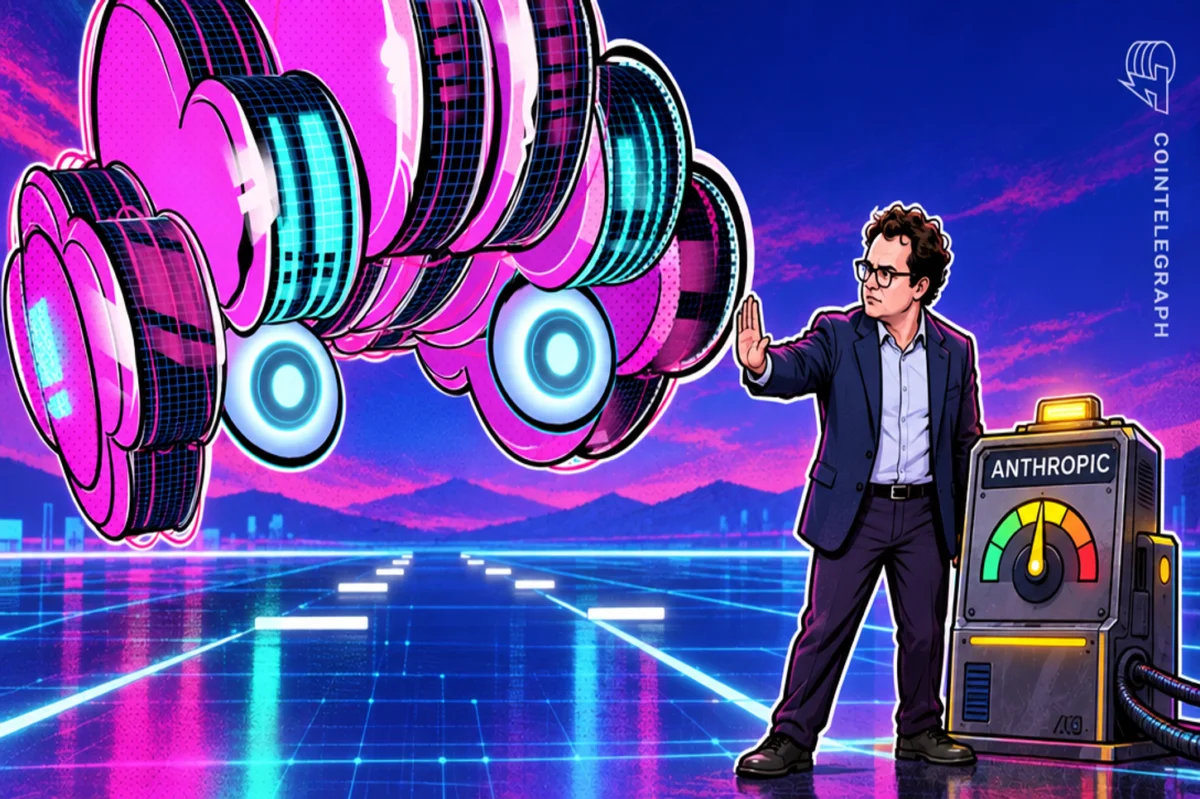
Amodei’s swift mea culpa highlights the immense, almost existential pressure facing AI companies. The defense sector represents a colossal market for advanced AI capabilities, offering not only lucrative contracts but also significant resources and influence. For a company like Anthropic, which emerged from a philosophical split with OpenAI largely over safety and ethical concerns, being branded a "supply chain risk" by the Pentagon is a catastrophic blow. Such a designation can cripple future growth, deter investors, and significantly damage its standing in the competitive AI landscape. It effectively turns Anthropic into a "red, blinking button that the government doesn’t want any company to touch with a ten-foot pole," as the original article noted.
The incident also serves as a stark reminder of the delicate balance AI developers must strike between technological innovation, ethical considerations, and geopolitical realities. As AI becomes increasingly integral to national security, the line between Silicon Valley’s idealism and Washington’s pragmatism grows ever blurrier. The Pentagon’s unprecedented move sends a clear message to the entire tech industry: cooperation, not confrontation, is the expected norm when it comes to national defense.
Whether Amodei’s dramatic apology and pivot will be sufficient to mend fences with the Pentagon and restore Anthropic’s standing remains to be seen. The damage from being labeled a "supply chain risk" could linger, affecting trust and future partnerships. However, the incident has undoubtedly left an indelible mark on the discourse surrounding AI ethics, corporate autonomy, and the formidable power of governmental oversight in the age of advanced technology. It underscores a powerful lesson: in the high-stakes world of AI development, principled stands may be admirable, but survival often demands pragmatism and, sometimes, a very public retraction.
More on Amodei: Dario Amodei Says Trump Is a Dictator