Faris Adani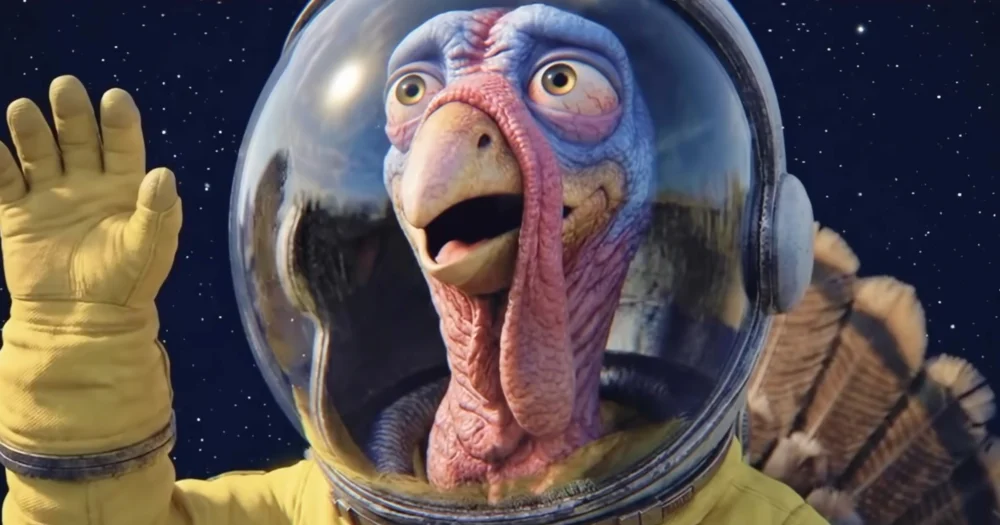
In a resounding victory for discerning audiences and a potent symbol of growing resistance to the unchecked proliferation of artificial intelligence in creative industries, AMC Theatres, the world’s largest cinema chain, announced its decision to cease screening an AI-generated short film titled "Thanksgiving Day" across its U.S. locations. This pivotal move follows a torrent of online outrage from moviegoers, critics, and industry professionals alike, who decried the film as "AI slop" and a devaluation of human artistry, marking a significant moment in the ongoing debate over AI’s place on the silver screen.
The controversy ignited last week when "Thanksgiving Day," a creation by Igor Alferov, was awarded first prize at the inaugural Frame Forward AI Animated Film Festival. Part of its laurels included an unprecedented national two-week theatrical run, slated to play during the pre-roll advertising segment – a twenty-minute window before feature films commence – across several major cinema chains, including AMC. The prospect of an entirely AI-generated piece of content, particularly one perceived as low-quality and creatively bankrupt, being forced upon audiences in a traditional cinema setting, immediately struck a nerve. Social media platforms became a crucible of indignation, with cinephiles expressing dismay, anger, and a strong sense of betrayal that their beloved moviegoing experience could be compromised by what many considered a cynical embrace of nascent, unrefined technology over genuine artistic endeavor.
The backlash primarily targeted AMC, which, as the most prominent exhibitor, bore the brunt of public ire. Comment sections, forums, and X (formerly Twitter) feeds were flooded with calls for boycotts and scathing critiques, not just of the film’s perceived lack of merit, but of the very principle of AI-generated content infiltrating mainstream cultural spaces. The sentiment was clear: audiences were not ready, or willing, to passively consume content that seemed to undermine the livelihoods and creative spirit of human artists, especially in an era where the entertainment industry is already grappling with the disruptive potential of AI.
Responding to the escalating pressure, AMC promptly issued a statement after inquiries from outlets like The Hollywood Reporter. In a strategic move to distance itself from the contentious decision, the cinema giant clarified, "This content is an initiative from Screenvision Media, which manages pre-show advertising for several movie theatre chains in the United States and runs in fewer than 30 percent of AMC’s US locations. AMC was not involved in the creation of the content or the initiative and has informed Screenvision that AMC locations will not participate." This declaration effectively pulled the plug on "Thanksgiving Day"’s run in AMC venues, sending a clear message that audience sentiment, when mobilized, retains considerable power in shaping programming decisions. Screenvision Media, a prominent cinema advertising network, found itself in the uncomfortable position of having misjudged the public’s appetite for AI-driven content, highlighting the delicate balance between technological innovation and consumer acceptance.
"Thanksgiving Day" itself, as described by its creators, supposedly chronicles the adventures of a bear and his platypus assistant journeying through the cosmos aboard a spaceship resembling a "flying dumpster." However, the reality of the film, as evidenced by its official upload on YouTube, painted a far less captivating picture. Critics and viewers alike were left bewildered, struggling to discern whether they had witnessed a poorly constructed trailer or the entirety of the "complete film." The piece was characterized by a disjointed, commercial-style montage, lacking any discernible narrative arc or emotional resonance. "Basically nothing happens," was a common refrain, underscoring the film’s profound emptiness. Its visual aesthetics, purportedly generated using tools like Gemini 3.1 for storytelling and Nano Banana Pro for imagery, bore the hallmarks of early-stage AI animation: uncanny valleys, inconsistent visual styles, and a general lack of the nuanced detail and coherent artistic vision that defines traditional animation. Despite Joel Roodman, head of Modern Uprising Studios (a co-organizer of the festival), lauding it as a "masterclass in original storytelling," the public’s reaction suggested a stark disconnect between industry enthusiasm and audience perception.
This incident is not an isolated one, but rather a prominent flashpoint in a burgeoning conflict. AI-generated films have previously graced the silver screen, albeit to mixed reception. Last August, a selection of AI-produced shorts were showcased as part of the AI startup Runway’s "AI Film Festival" in ten IMAX locations. While presented as a glimpse into the future of filmmaking, many critics emerged unimpressed, questioning the artistic merit and narrative depth of these experimental works. Wired magazine, for instance, reported that screenings left many with "more questions than answers," highlighting the nascent and often jarring quality of such productions.
The broader context for this backlash is crucial. The past year has seen Hollywood gripped by historic strikes from the Writers Guild of America (WGA) and the Screen Actors Guild – American Federation of Television and Radio Artists (SAG-AFTRA), both of whom listed stringent protections against the unregulated use of AI as a primary demand. These unions articulated profound concerns about AI’s potential to displace human talent, devalue creative work, and cannibalize existing intellectual property without fair compensation. The WGA’s new contract, for example, explicitly states that AI cannot write or rewrite literary material, and AI-generated material cannot be considered source material, effectively ensuring human writers remain the primary authors. Similarly, SAG-AFTRA fought for and secured groundbreaking provisions regulating AI’s use of performers’ likenesses and voices. This widespread labor movement against AI underscores a collective anxiety within the creative community, making the public’s rejection of "Thanksgiving Day" less an isolated incident and more a reflection of a deeply felt concern about the future of human creativity.
Furthermore, reports suggest that Hollywood is already more deeply enmeshed with AI than it publicly admits. A recent Futurism article, citing a "consummate Hollywood insider," revealed that studios are "lying to everyone about how much AI they’re using." This clandestine integration fuels distrust and exacerbates the fear that AI is not being used as a tool to augment human creativity, but rather as a cost-cutting measure to replace it. The transparency, or lack thereof, around AI’s deployment in the creative process has become a major point of contention, leading audiences and creators to view openly AI-generated content with heightened scrutiny and skepticism.
The concept of "AI slop" has emerged as a critical descriptor for the low-quality, generic, and often nonsensical content churned out by generative AI models. This "slop" threatens to dilute the digital landscape, making it harder for genuine, human-crafted content to stand out. In the context of cinema, where storytelling, visual artistry, and emotional depth are paramount, the introduction of "AI slop" is seen not just as a creative misstep, but as an affront to the art form itself. Moviegoers, accustomed to the painstaking craft of human filmmakers, animators, and storytellers, are demonstrably unwilling to accept ersatz substitutes, especially when presented as award-winning works deserving of a national theatrical release.
This incident at AMC is more than just a momentary blip; it represents a potential turning point. It demonstrates that audiences are not passive consumers of content, particularly when they perceive a threat to artistic integrity or human livelihoods. By voting with their feet and their voices, they have sent a clear signal to the entertainment industry: the novelty of AI-generated content does not automatically equate to quality or acceptance. For festivals like Frame Forward and companies like Screenvision, it serves as a stark lesson in understanding market readiness and public sentiment. While technological innovation in filmmaking is inevitable and often welcome, the current public mood suggests a strong preference for AI as a tool to assist human creators, rather than as a replacement for them.
Looking ahead, the "Thanksgiving Day" debacle will undoubtedly influence how studios, distributors, and exhibitors approach AI-generated content. It could lead to more cautious vetting, greater transparency about AI’s involvement in production, and perhaps a renewed focus on showcasing human talent. The debate over authorship, intellectual property rights for AI-generated works, and the ethical sourcing of training data for these models will only intensify. The pulling of "Thanksgiving Day" from AMC theaters is a significant, albeit early, indicator that the future of AI in mainstream entertainment will not be solely dictated by technological capability, but profoundly shaped by the collective will and discerning taste of the audience. It is a victory for human creativity and a potent reminder that the magic of cinema, at its heart, remains a deeply human endeavor.