Faris Adani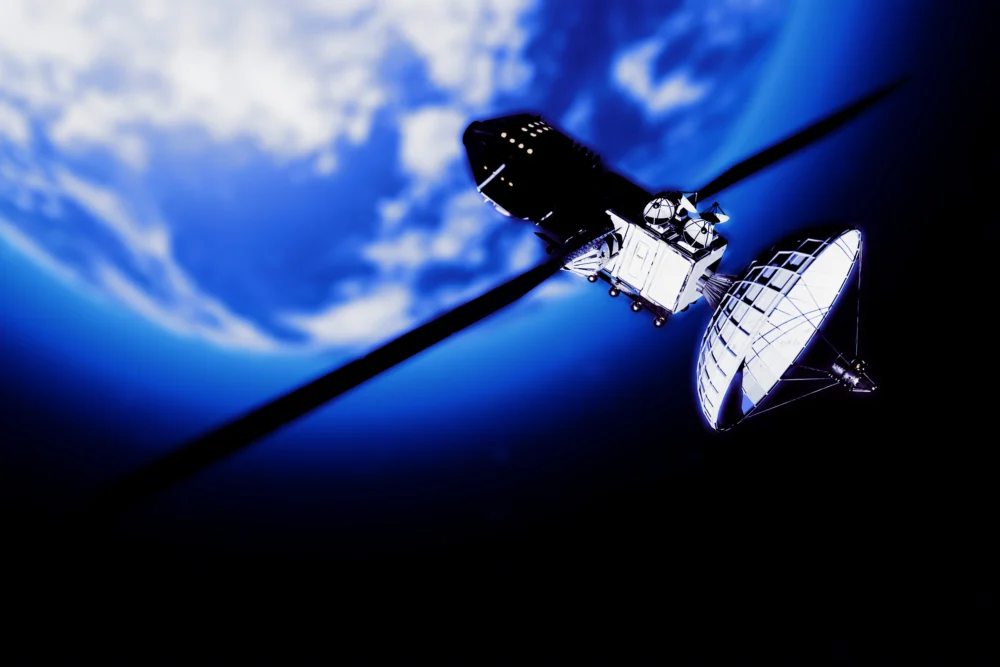
The accelerating pace of space launches, driven by the burgeoning commercial space industry, is transforming Earth’s atmosphere into what a trio of concerned astronomers and atmospheric scientists ominously describe as a “crematorium” for satellites and space debris. This stark warning, articulated in a recent essay for The Conversation, outlines the profound and potentially devastating consequences of an orbital ecosystem increasingly populated by tens of thousands of expendable satellites, with plans for millions more.
At the heart of the issue is what these experts term the "throwaway culture" of modern satellite design. Companies like Elon Musk’s SpaceX, a dominant force in this new space race, engineer their Starlink satellites with an expected operational lifespan of just a few years. After this period, these spacecraft are designed to autonomously deorbit, plunging back into Earth’s atmosphere to burn up, theoretically disintegrating completely before reaching the ground. While this approach is conceived as a tidy solution to mitigate orbital debris and ensure a sustainable Low Earth Orbit (LEO), the reality appears far more complex and troubling.
The primary concern revolves around the atmospheric fallout from these re-entering objects. As satellites burn up, they don’t simply vanish into thin air; they release their constituent materials into various atmospheric layers. Research has already begun to quantify this overlooked form of pollution, revealing that re-entering satellites are seeding the atmosphere with an array of metallic particulates. Copper, lead, and aluminum, particularly in the form of alumina (aluminum oxide), have been identified as significant byproducts. The rockets that ferry these satellites into orbit are equally culpable; a recent paper linked the re-entry of a SpaceX Falcon 9 upper stage to a detectable plume of toxic lithium, adding another layer to the atmospheric chemical burden.
The implications of this metallic infusion are profoundly unsettling. A particularly alarming study speculated that the suffusion of these metal particles could initiate a chain reaction within the upper atmosphere, posing a grave threat to the delicate ozone layer. The ozone layer, critical for absorbing harmful ultraviolet radiation from the sun, is already under stress from anthropogenic emissions. Introducing new catalytic agents, especially metallic compounds, could accelerate its depletion, leading to severe environmental and health consequences globally. These metallic aerosols can also serve as condensation nuclei, altering cloud formation and precipitation patterns, and potentially impacting the planet’s radiative balance and climate systems in ways we do not yet fully comprehend.
The current situation, dire as it may seem, is merely a precursor to what is projected if the planned megaconstellations proceed without robust environmental oversight. Out of approximately 15,000 active satellites currently orbiting Earth, SpaceX alone accounts for over 9,000 Starlink spacecraft. This number is set to skyrocket. Last month, SpaceX submitted an application to the US Federal Communications Commission (FCC) to launch an astonishing one million additional satellites, a move driven by Musk’s ambitious vision of establishing AI data centers in space and providing ubiquitous global internet access. Other satellite operators are not far behind, collectively requesting allotments for another million, as detailed in a report by the Outer Space Institute.
While these figures might seem futuristic, they underscore the audacious ambitions of the modern space industry. If even a fraction of these plans materialize, the environmental ramifications would be staggering. The astronomers estimate that a full-scale deployment of a million satellites could result in the accumulation of one billion kilograms of alumina in the atmosphere. Such a massive influx, combined with ongoing launch emissions (which themselves contribute soot, carbon dioxide, and water vapor to the upper atmosphere), would "significantly alter atmospheric chemistry and heating in dramatic ways we do not yet understand," they warn. This represents an unprecedented experiment with our planet’s most vital protective layer.
Beyond atmospheric chemistry, the sheer volume of objects in Low Earth Orbit (LEO) poses several critical dangers. Experts have long cautioned about the Kessler syndrome, a hypothetical scenario where collisions between space junk create a cascading chain reaction of further collisions, rendering entire orbital regimes unusable for decades. This would effectively turn Earth’s orbit into an impassable minefield, setting back spaceflight and all its associated benefits, from weather forecasting to GPS, by generations. The risk of such an event increases exponentially with every new satellite launched and every piece of debris left behind.
Moreover, the increasing frequency of re-entries translates to a heightened risk for those on the ground. While satellites are designed to disintegrate, growing evidence suggests that large chunks of spacecraft and rocket stages are surviving their fiery plunge, impacting populated areas. The Federal Aviation Administration (FAA) has issued warnings, projecting that by 2035, some 28,000 fragments from Starlink satellites alone could survive re-entry each year. This dramatically escalates the statistical probability of a fatal impact from space debris, with estimates suggesting a 61 percent chance of someone being struck and killed by space junk annually. Such incidents, while rare now, are poised to become a more tangible and terrifying reality.
The surge in satellite constellations also casts a literal shadow over scientific endeavor. Astronomers are increasingly vocal about the light pollution and radio interference caused by these megaconstellations, which obscure observations of deep space. "For scientists, observing the deaths of stars and searching for new planets would become much harder," the authors lament. The streaks of light from thousands of orbiting satellites interfere with optical telescopes, while their radio transmissions can jam sensitive radio astronomy receivers, hindering our ability to study the universe. This interference extends beyond professional observatories, disrupting "stargazing, astrotourism and cultural astronomy" worldwide, severing a fundamental human connection to the cosmos.
Given the multifaceted and escalating nature of these threats, the scientists emphasize the urgent need for global regulation to rein in uncontrolled space launches. They advocate for the establishment of an international regulatory body or framework, collaborating closely with astronomers and atmospheric scientists. This body would be tasked with defining a "safe atmospheric carrying capacity for satellite launches and re-entries," akin to environmental limits set for other pollutants. Crucially, it would also need to facilitate extensive research to fully understand the long-term atmospheric effects of spacecraft operations. Such a framework would need to be robust, legally binding, and adaptive, considering the rapid pace of technological development and the increasing number of state and private actors entering the space domain.
Without such concerted international action, the vision of a connected future facilitated by space-based technology risks being overshadowed by an unintended legacy of atmospheric degradation, orbital gridlock, and a sky dimmed by human ambition. The time to address this nascent environmental crisis in Earth’s upper atmosphere is now, before the "crematorium" becomes an irreversible reality.