isnaini azizah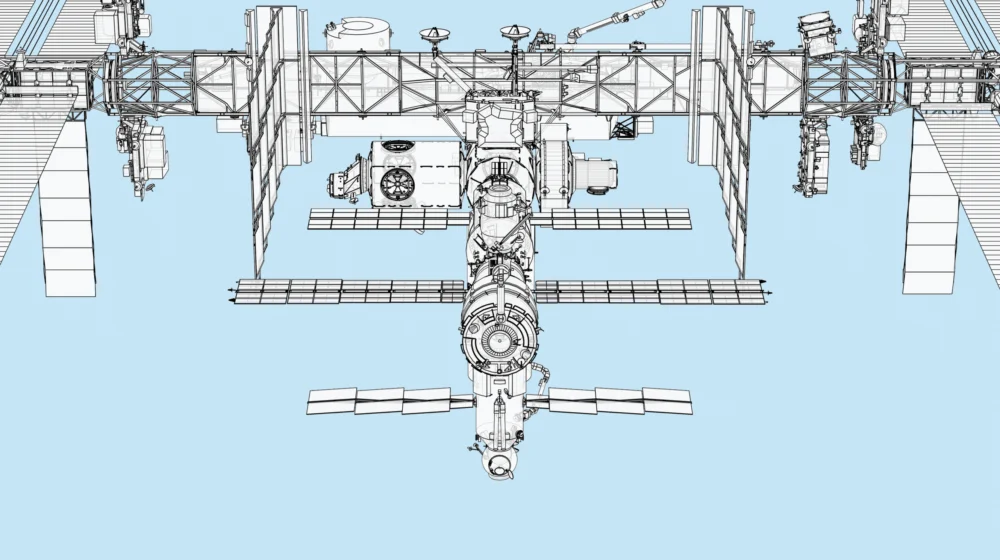
Since the dawn of the Space Age in 1957 with the launch of Sputnik 1, humanity has embarked on a relentless mission to populate the orbital realm. What began as a few tentative steps into the vacuum has evolved into a veritable deluge of technology, transforming the near-Earth environment into a bustling, multi-layered ecosystem of human ingenuity and, increasingly, discarded remnants. The sheer scale of this transformation is staggering, with the number of active satellites orbiting our planet skyrocketing in recent years. Barely reaching 3,000 active satellites just five years ago, this figure has now surged to approximately 14,000, and the upward trajectory shows no signs of abating. This exponential growth is largely fueled by the emergence and proliferation of "megaconstellations," vast networks of satellites designed to provide ubiquitous global services. Leading this charge is Elon Musk’s Starlink, an ambitious project aiming to blanket the globe with high-speed internet access. By itself, Starlink boasts nearly 10,000 satellites already in orbit, a number that continues to expand at an astonishing pace. These constellations are not just about communication; they represent a fundamental shift in how we interact with and utilize space, enabling everything from remote sensing and disaster response to advanced scientific research and even space tourism.
Beyond the operational satellites, the orbital environment is also a repository for a growing amount of space debris, the detritus of our past endeavors. An estimated 50,000 pieces of debris larger than a baseball now share Earth’s orbit, alongside a million more objects exceeding the size of a coin. This ever-present risk of collision poses a significant threat to current and future space operations. Even seemingly insignificant fragments, traveling at orbital velocities of thousands of miles per hour, can inflict catastrophic damage upon impact. The consequences of such collisions are not merely theoretical; they have the potential to disrupt critical services that have become indispensable to modern life. Imagine a world without accurate weather forecasts, essential for agriculture, disaster preparedness, and daily planning. Consider the implications of widespread digital communication failures, impacting global commerce, emergency services, and personal connections. The delicate balance of our orbital environment is increasingly precarious, demanding urgent attention and innovative solutions to mitigate the risks posed by this growing debris field. This burgeoning shell of human-made matter, often referred to as the "anthroposphere," is a complex and dynamic frontier, a testament to our technological prowess but also a stark reminder of our responsibility to manage the consequences of our actions.
The diverse array of objects populating Earth’s orbit serves a multitude of critical functions. At the forefront are the observational tools that allow us to peer into the vastness of the cosmos. Telescopes like the Hubble Space Telescope, and its successor the James Webb Space Telescope, have revolutionized our understanding of the universe, revealing distant galaxies, the birth of stars, and the potential for life beyond our solar system. These instruments, operating above the distorting effects of Earth’s atmosphere, provide unparalleled clarity and detail, pushing the boundaries of astronomical knowledge. Equally vital are the Earth observation satellites, which provide invaluable data for monitoring our planet’s health. They track climate change, map deforestation, monitor natural disasters, and aid in resource management, offering a global perspective on the challenges and changes our planet is undergoing. Navigation systems, powered by constellations of satellites like the Global Positioning System (GPS), have become an invisible yet indispensable part of our daily lives, guiding everything from personal travel to sophisticated logistical operations.
Beyond these observational and navigational roles, space has also become a platform for human presence. The International Space Station (ISS), a marvel of international collaboration, serves as a habitable orbiting laboratory where astronauts conduct scientific experiments in microgravity, pushing the frontiers of human physiology, materials science, and fundamental physics. The ISS is more than just a research facility; it is a symbol of human aspiration and our ability to overcome the challenges of living and working in space. Future endeavors, such as NASA’s Artemis program, aim to establish a more sustained human presence on the Moon and eventually Mars, further expanding the anthroposphere and opening up new avenues for exploration and resource utilization.
The rapid proliferation of megaconstellations like Starlink, while offering immense benefits in terms of global connectivity, also presents unique challenges. The sheer number of satellites in these constellations raises concerns about light pollution, impacting ground-based astronomical observations. Efforts are underway to mitigate these effects through improved satellite design and operational strategies, but the long-term implications are still being studied. Furthermore, the management of these vast orbital swarms requires sophisticated tracking and de-orbiting capabilities to prevent collisions and ensure the long-term sustainability of the space environment.
The issue of space debris is a growing concern that demands a multi-faceted approach. Active debris removal missions, which aim to capture and de-orbit defunct satellites and rocket stages, are in their nascent stages but hold significant promise. International cooperation and the development of robust regulations and guidelines are crucial for managing the space environment responsibly. The "Kessler Syndrome," a theoretical scenario where the density of objects in low Earth orbit reaches a point where collisions become so frequent that they generate even more debris, creating a cascading effect that could render certain orbits unusable for generations, remains a cautionary tale.
The evolution of the anthroposphere is a dynamic and ongoing process. As technology advances and our reliance on space-based services continues to grow, the challenges and opportunities associated with our orbital presence will only intensify. The future of space exploration and utilization hinges on our ability to balance innovation with responsibility, ensuring that our ventures into the cosmos are sustainable and beneficial for all of humanity. This expanding shell of human-made matter above us is not merely a collection of objects; it is a reflection of our collective ambition, our ingenuity, and our evolving relationship with the final frontier. Understanding its composition, its purpose, and its inherent risks is paramount as we continue to reach for the stars, transforming our planet’s immediate surroundings into an increasingly intricate and vital domain. The data points to a future where the anthroposphere will only continue to grow, demanding ever more sophisticated strategies for its management and stewardship, a new frontier of human endeavor that requires careful consideration and responsible action.