Faris Adani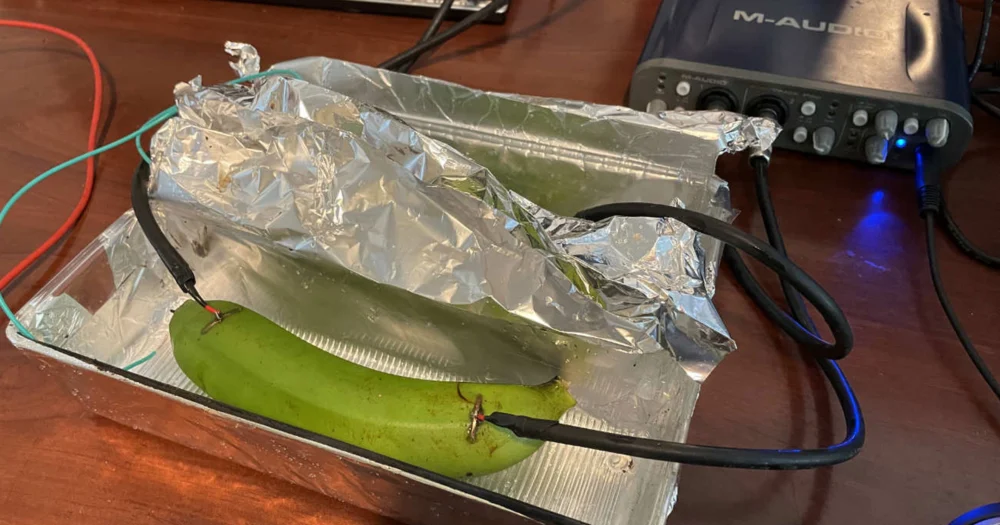
The esoteric and often polarizing world of high-end audiophilia has long been a battleground between scientific skepticism and fervent subjective belief, particularly concerning the contentious topic of audio cables. For decades, manufacturers have peddled a dizzying array of "audiophile-grade" interconnects, speaker wires, and power cables, each promising unparalleled sonic purity, enhanced dynamics, and a holographic soundstage – often at prices that defy rational explanation. These elaborate claims frequently involve exotic materials like ultra-pure, oxygen-free copper, silver plating, complex geometries, specialized dielectric insulation, and meticulously engineered connectors, leading to price tags that can easily soar into the tens of thousands, with some extravagant sets even exceeding $100,000. The underlying premise is that these meticulously crafted cables are indispensable for unlocking the full potential of a luxury-grade sound system, catering to an elite clientele of uber-wealthy enthusiasts.
However, the fundamental laws of physics have consistently presented a formidable counter-argument. Electrical engineers and objective audio researchers have long maintained that for typical audio signal transmission over short distances, the differences between competently constructed cables are, for all practical purposes, negligible. Beyond basic impedance matching, adequate shielding, and robust construction to prevent signal degradation or interference, the notion that hyper-expensive materials or complex braiding patterns dramatically improve sound quality often clashes with empirical data. Critics frequently point to the "placebo effect" or "confirmation bias," where listeners, having invested heavily in a product, subconsciously perceive an improvement that isn’t objectively present. This enduring debate, a cultural touchstone within audio communities, often sees subjective listening experiences pitted against rigorous scientific methodology.
To deliver a definitive, albeit unconventional, blow to the extravagant claims surrounding high-end audio cables, a moderator known as Pano on the prominent audiophile enthusiast forum diyAudio undertook an extraordinary experiment in 2024. This audacious challenge, recently brought back into the spotlight by Headphonesty late last month and subsequently by Tom’s Hardware last week, aimed to put the long-standing controversy to the ultimate, blind test. Pano sought to demonstrate that the perceived sonic differences attributed to costly cables are often illusory, even when juxtaposed with truly absurd alternatives.
The methodology of Pano’s experiment was both simple and provocative. He meticulously prepared a series of "interconnects" through which high-quality audio signals would be passed. The control was a standard pro audio copper wire, representing a baseline of competent cable performance. The true test, however, lay in the unconventional conductors: an unripe banana, a makeshift cable fashioned from an old microphone wire soldered to common pennies, and, perhaps most bizarrely, wet mud. Musical recordings, sourced from official CD releases to ensure pristine original quality, were then run through each of these diverse mediums. The output from each "cable" was recorded, and these re-recorded audio clips were then presented to his fellow forum members in a strictly blind listening test. Participants were challenged to identify which clip corresponded to which conductor, stripped of any visual cues or preconceptions.
The results, tabulated and posted by Pano approximately a month after the experiment’s announcement, delivered a stinging rebuke to the notion of superior sonic performance from exotic materials. They overwhelmingly confirmed what many hobbyist audiophiles and scientists had long suspected: it was practically impossible for listeners to reliably distinguish between the various mediums. Out of 43 guesses, a mere six were correct – a success rate of just under 14 percent. As Tom’s Hardware‘s analysis starkly concluded, these results are "consistent with randomness," meaning listeners were essentially guessing with no discernible ability to identify the "mud" or "banana" cables.
Pano himself articulated the profound implications of his findings, writing, "The amazing thing is how much alike these files sound. The mud should sound perfectly awful, but it doesn’t. All of the re-recordings should be obvious, but they aren’t." He further elaborated on the surprising sonic transparency of these unconventional conductors: "Banana and mud (and in the older tests, potato) are simply like putting a resistor in series, meaning that other than changing the signal level, they don’t do much." This observation underscores the core scientific principle at play: as long as a material possesses sufficient conductivity to transmit an electrical signal, and its resistive properties don’t severely attenuate or distort the frequency response, the perceived "sound quality" often remains remarkably consistent, especially over short lengths common in home audio setups. The primary effect of these makeshift conductors was merely a reduction in signal level, which could be easily compensated for by adjusting volume, rather than any profound degradation of the audio’s fidelity or timbre.
Delving deeper into the technical aspects, Pano later elaborated on what truly matters for audio interconnects versus what doesn’t. He suggested that "What does seem to actually matter for interconnects is [DC resistance] and shielding." DC resistance relates to how much the conductor impedes the flow of electrical current, directly affecting signal strength. Shielding is crucial for preventing external electromagnetic interference (EMI) or radiofrequency interference (RFI) from corrupting the delicate audio signal, which can manifest as hums, buzzes, or other undesirable noises. Conversely, Pano definitively stated, "What doesn’t seem to make much (if any) difference in sonic quality is the material of the conductor. You don’t need [oxygen-free copper] or 99.999999 percent pure silver, or Litz wire or anything special. Good old copper wire does the job. Steel, iron or aluminium probably would too." This statement fundamentally undermines the core marketing narrative of countless high-end cable manufacturers who base their exorbitant prices on material purity and elaborate construction.
While the experiment triumphantly demonstrated the surprising conductivity of bananas and mud, it’s important to acknowledge why these aren’t practical long-term solutions for audio equipment. Bananas and mud, due to their inherent moisture and electrolyte content, can conduct electricity, but they suffer from significant limitations. They cause substantial signal level loss (high DC resistance), and their frequency response might not be perfectly flat across the entire audible spectrum, meaning certain frequencies could be attenuated more than others, even if subtly. More critically, they are highly unstable: a banana will rot, mud will dry out or be displaced, and neither offers any meaningful shielding against external interference, making them utterly unsuitable for reliable, consistent, and durable audio connections. The experiment’s genius lay not in advocating for mud cables, but in exposing the fragility of subjective perception when confronted with objective reality, proving that even profoundly imperfect conductors can transmit an audibly indistinguishable signal under blind conditions.
The rediscovery and subsequent viral spread of Pano’s experiment across various niche subreddits, particularly r/audiophile, ignited a torrent of sardonic commentary and jeering aimed at companies that continue to charge astronomical sums for speaker cables. The community reaction was a blend of humor, vindication for skeptics, and renewed frustration with the perceived "snake oil" peddled within the audiophile industry. One user on r/audiophile quipped, "I replaced my speaker cables with trays of mud years ago," perfectly encapsulating the absurdity of the situation. Another user jokingly added, "I prefer bananas as interconnects for the warm fuzzy potassium," highlighting the playful dismissal of pseudoscientific marketing. The experiment resonated because it provided concrete, empirical evidence – albeit from an informal forum – that challenged deeply entrenched beliefs and exposed the vulnerability of human perception to expectation bias.
Ultimately, Pano’s banana and mud experiment stands as a powerful testament to the triumph of objective testing over subjective claims in the realm of audio. It serves as a potent reminder that while basic quality, proper shielding, and robust construction are essential for reliable audio transmission, the pursuit of increasingly exotic materials and elaborate cable designs often yields diminishing, if any, audible returns. In the vast majority of cases, fundamental physics dictates that a well-made, reasonably priced copper cable will perform indistinguishably from one costing thousands, if not hundreds of thousands, more. The true magic of high-fidelity audio lies in the quality of the recordings, the speakers, and the listening environment, not in the mythical properties of a cable – whether it’s crafted from ultra-pure silver or, as Pano so brilliantly demonstrated, a simple, unripe banana.