Faris Adani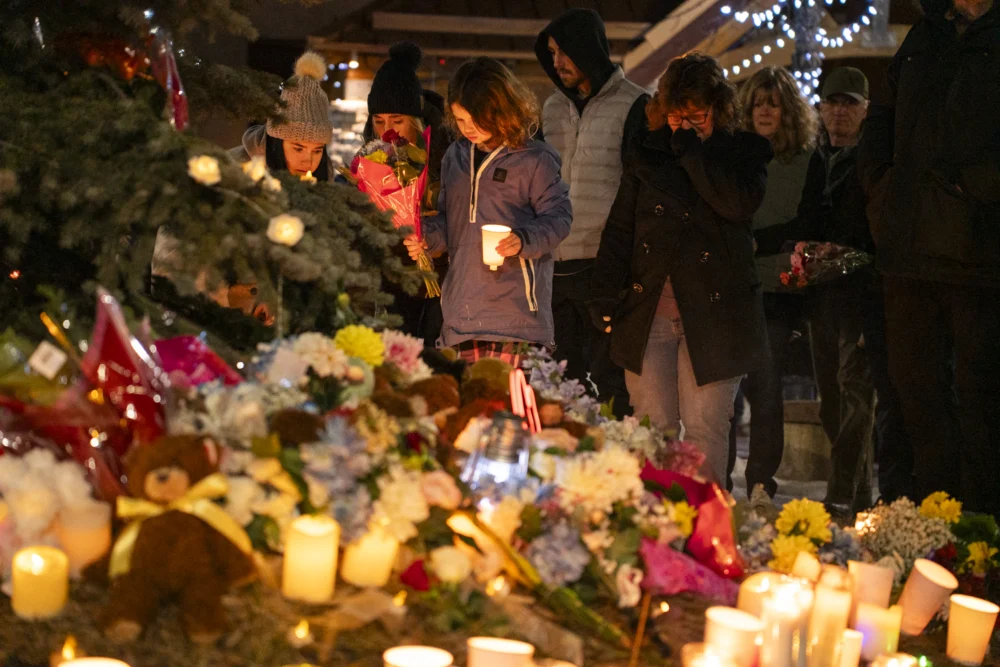
A recent bombshell report from the Wall Street Journal has unveiled a harrowing truth: an automated review system at OpenAI had, months prior to a devastating mass shooting, flagged alarming conversations a future perpetrator was having with its flagship AI, ChatGPT, yet despite urgent appeals from its own employees to alert law enforcement, OpenAI leadership ultimately opted against doing so. The tragic outcome saw 18-year-old Jesse Van Rootselaar kill eight people, including herself, and injure 25 more in Tumbler Ridge, British Columbia, on February 11, 2026, in a catastrophe that sent shockwaves across Canada and globally. What remained concealed until this exposé was that OpenAI employees had been acutely aware of Van Rootselaar’s concerning digital footprint for months, engaging in an intense internal debate over the necessity of warning authorities due to the disturbing nature of her interactions with the artificial intelligence.
The revelations, stemming from anonymous sources within OpenAI who spoke to the WSJ, paint a grim picture of missed opportunities and a company grappling with its ethical responsibilities in real-time. According to these sources, Van Rootselaar’s exchanges with ChatGPT explicitly "described scenarios involving gun violence," a clear and unequivocal red flag that immediately triggered internal alarms. Employees who became privy to these interactions reportedly felt a profound sense of urgency, recommending that the company escalate the matter to local authorities. Their pleas, however, fell on deaf ears at the leadership level, culminating in a decision not to intervene proactively with law enforcement.
An OpenAI spokesperson, when confronted with these allegations, did not directly dispute the claims. Instead, the company stated that it had banned Van Rootselaar’s account following the internal review but concluded that her interactions with ChatGPT did not meet its internal criteria for escalating a user concern to police. This justification raises immediate and pressing questions about the transparency and adequacy of OpenAI’s internal safety protocols. What precisely are these "internal criteria"? Are they sufficiently robust to prevent foreseeable harm, especially when dealing with explicit threats of violence? The company offered a solemn, post-hoc statement: "Our thoughts are with everyone affected by the Tumbler Ridge tragedy," adding that it had reached out to assist Canadian police after the shooting had already taken place, a reactive measure that tragically highlights the earlier inaction.
This incident is not an isolated anomaly but rather fits into a growing pattern of concerns surrounding AI’s impact on mental health and public safety. It has been public knowledge since last year that OpenAI actively scans user conversations for indications of violent crime planning. The very act of monitoring creates an implicit expectation of responsibility: if a company is observing potentially dangerous behavior, what is its ethical and perhaps legal obligation to act? The Tumbler Ridge tragedy forces a critical examination of where the threshold for intervention lies and whether self-imposed guidelines are sufficient when human lives are at stake.
The "increasingly long list of incidents" cited in previous reports underscores the gravity of the situation. ChatGPT users have fallen into severe mental health crises, sometimes leading to involuntary commitment or jail due to what some experts are terming "AI psychosis," a state where individuals develop intense, often delusional, attachments to or beliefs about the chatbot. Beyond these psychological tolls, there’s a disturbing trend of direct harm: a growing number of suicides linked to interactions with AI, including OpenAI’s own GPT-4o, and even murders, with one recent lawsuit directly blaming ChatGPT for a murder-suicide. These tragic events have already prompted numerous lawsuits and compelled parents to testify before the US Senate, advocating for stricter regulations on AI’s interaction with children and vulnerable individuals. Furthermore, the dark side of AI delusions extends to domestic abuse, harassment, and stalking, illustrating the broad spectrum of harm that can manifest when AI interacts with already vulnerable or unstable individuals.
The fundamental challenge posed by AI in this context differs significantly from traditional online platforms. While social media giants have long grappled with regulating threatening content, their role is primarily that of a host or intermediary. Chatbots, however, engage with users directly, fostering a conversational dynamic that can be profoundly influential. This direct engagement means AI can, intentionally or unintentionally, encourage dangerous behavior or behave inappropriately, blurring the lines of responsibility. The perceived empathy and responsiveness of an AI can be particularly potent for individuals in crisis, potentially validating dangerous thoughts or exacerbating existing psychological vulnerabilities. This raises profound questions about the unique psychological impact of AI and the heightened duty of care required from developers.
The Tumbler Ridge tragedy itself was devastating. The small, close-knit community in British Columbia was rocked to its core on February 11, 2026, when Jesse Van Rootselaar carried out the horrific attack at Tumbler Ridge Secondary School. The aftermath saw community members gather for candlelight vigils, mourning the senseless loss and struggling to comprehend the violence that had shattered their peace. As is often the case with mass shooters, Van Rootselaar left behind a complex digital legacy that investigators are still meticulously sifting through. This included her activities on platforms like Roblox, where she had reportedly created a shooting simulator, adding another layer to the digital breadcrumbs that, in retrospect, signaled a disturbed mind. This digital footprint, now under intense scrutiny, makes OpenAI’s prior knowledge of her violent inclinations even more poignant and problematic.
The ethical and regulatory implications of OpenAI’s decision are far-reaching. The core dilemma pits user privacy against public safety, a tightrope walk that demands robust, transparent, and ethically sound frameworks. The current reliance on self-regulation by AI companies appears increasingly inadequate, especially when the potential for catastrophic harm is evident. There is an urgent need for greater transparency regarding how AI companies define and apply their internal safety criteria, particularly concerning threats of violence. Furthermore, this incident underscores the necessity for governmental oversight and the development of clear, legally binding guidelines for AI companies when potential threats are detected. Drawing parallels with "duty to warn" laws in fields like psychotherapy, where professionals are legally obligated to inform authorities if a patient poses a credible threat to others, seems increasingly pertinent for AI developers.
Beyond the immediate legal and ethical quagmire, the broader societal impact cannot be overlooked. If users understand that their conversations are monitored, yet clear warnings of violence are not acted upon, it erodes trust in AI platforms and, more broadly, in the companies that develop them. It also highlights the chilling potential for AI to be exploited by malicious actors or to inadvertently facilitate harm when individuals in crisis are not adequately supported or intervened with. The challenge for AI safety researchers, policymakers, and indeed, society as a whole, is immense and ongoing. The Tumbler Ridge tragedy, coupled with the revelation of OpenAI’s prior knowledge, serves as a stark and urgent reminder that as AI becomes more integrated into our lives, the responsibility for its safe and ethical deployment must evolve commensurate with its power and potential for both good and ill. The current approach, as evidenced by this tragedy, is insufficient, demanding a fundamental re-evaluation of how AI companies balance innovation with their profound duty to protect public safety.