Faris Adani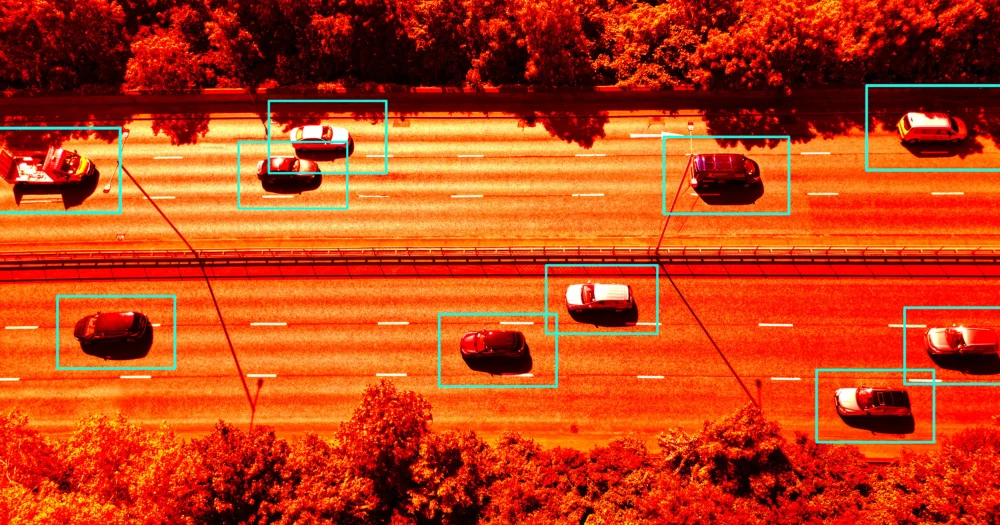
A Dystopian Glimpse: New Platforms Transform Gambling into a Real-World Surveillance Game, Fueling Addiction
The landscape of gambling has undergone a radical transformation, evolving from an activity largely confined to brick-and-mortar casinos and the casual purchase of scratch tickets into a pervasive digital phenomenon. Thanks to the explosive growth of online sports betting and sophisticated prediction markets, practically anyone with an internet connection can now plunge headfirst into a world of wagers. This unprecedented accessibility, however, comes with a dark shadow: experts are sounding urgent alarms about a surge in gambling addiction, a crisis particularly acute among young, impressionable minds whose developing brains are especially vulnerable to the psychological hooks of instant gratification and perceived control.
The traditional boundaries of what constitutes “gambling” have been utterly dissolved. Platforms such as Polymarket exemplify this shift, liberating gamblers from the binary confines of betting on red or black at a roulette table, or the monotonous pull of a slot machine lever. Now, the scope of wagering has expanded to encompass the bizarre and the profound, allowing users to bet on outcomes as improbable as whether Jesus Christ will return before the much-anticipated release of the video game ‘GTA VI,’ or to speculate on the precise date by which the United States will strike Iran. These prediction markets, by design, gamify real-world events, transforming complex geopolitical situations and even theological concepts into tradable assets, blurring the lines between information, speculation, and pure chance. This intellectual veneer often masks the inherent gambling risk, drawing in individuals who might otherwise eschew traditional casino environments.
Taking this phenomenon to an even more ludicrous and unsettling conclusion is a new gambling game called Rush Hour CCTV, hosted on the burgeoning crypto casino platform Roobet. As detailed by casino publication Win.gg, this game plunges players into a live, real-time betting experience based on public surveillance. Gamblers are presented with licensed CCTV footage streamed live from bustling streets in major global cities, including the vibrant intersections of Tokyo, the chaotic thoroughfares of Bangkok, the iconic avenues of New York, and the historic lanes of London. The objective is startlingly simple yet deeply disquieting: bet on the exact number of cars, trucks, buses, motorcycles, or pedestrians that will traverse a specific, predetermined point within a short, fixed time window. This audacious concept leverages omnipresent surveillance infrastructure for pure speculative entertainment.
On the surface, the premise of Rush Hour CCTV might strike one as utterly banal, and in many respects, it is. Yet, its appeal lies in its radical departure from conventional gambling mechanics. Unlike slot machines and many online casino games that rely on opaque, complex random number generator (RNG) algorithms to determine outcomes, Rush Hour CCTV places its fate squarely in the hands of the real world. The unpredictable ebb and flow of urban traffic, the chance arrival of a bus, or the sudden rush of pedestrians become the arbitrary determinants of winning or losing. This perceived transparency, though still a game of chance, imbues it with a sense of authenticity and immediate connection to reality that RNG-based games cannot offer, subtly drawing players into its web.
The game’s mechanics are deceptively simple, designed for rapid engagement and instant gratification. Each round commences with a straightforward, almost innocent prompt: “How many vehicles?” Players are then given a brief window—typically 55 seconds—to place their bets on the total count of vehicles and pedestrians they anticipate will cross the designated point within the subsequent time period. The betting options allow for both precision and flexibility. Gamblers can stake their crypto on an exact number, which promises a significantly higher payout for a correct guess, or they can opt for a range as their answer, offering a lower payout but a statistically higher chance of success. This immediate feedback loop, coupled with the real-world visual stimulus, creates an intensely immersive and addictive experience, where every passing vehicle directly impacts the outcome of a wager.
This innovative, albeit dystopian, game serves as a stark illustration of the largely unregulated, Wild West nature of the crypto gambling world. The global reach of these platforms, unburdened by national laws or traditional financial regulations, allows them to proliferate rapidly. Even in countries like China, where online gambling—including crypto-based prediction markets like Polymarket—is strictly illegal, the trend has surged dramatically in popularity. As Rest of World reports, companies like Polymarket have actively sought to tap into these restricted markets, evidenced by their hiring of Mandarin-speaking staff. The result is a staggering volume of trade, with reports indicating that trading across Asia alone has reached “hundreds of millions” of dollars a month, demonstrating the immense challenge regulators face in controlling this decentralized financial activity.
Crypto casinos like Roobet, which hosts Rush Hour CCTV, have seen their revenues surge despite widespread bans and legal restrictions across numerous jurisdictions. The very architecture of the internet, combined with the anonymity and borderless nature of cryptocurrencies, provides gamblers with myriad ways to circumvent these prohibitions. Users routinely employ sophisticated virtual private networks (VPNs) to mask their geographical location, utilize mirror links that replicate banned sites, and redirecting URLs to bypass censorship filters. This cat-and-mouse game between regulators and platforms highlights the inherent difficulty in enforcing traditional legal frameworks on a global, decentralized digital economy, leaving vast swathes of the population exposed to unregulated gambling risks.
The sheer scale of this burgeoning industry is staggering. The crypto gambling market reached an estimated $81 billion last year, according to Bitcoin.com, and financial analysts predict that this upward trajectory will continue unabated this year. A significant factor contributing to this relentless growth is the widespread proliferation and increasing acceptance of stablecoins. These cryptocurrencies, often pegged to more stable fiat currencies like the US dollar, mitigate the notorious volatility of other digital assets, making them an attractive and reliable medium for transactions within the gambling ecosystem. This stability removes a key barrier to entry, making crypto gambling more accessible and less intimidating for a broader audience.
Further exacerbating the problem is the powerful influence of popular streamers and online celebrities who actively promote these platforms. These influencers often rope in new users, enticing them with the allure of quick riches and the perceived simplicity of crypto casino games. The issue is particularly acute among underage individuals, who can often circumvent age restrictions by utilizing false identities or relying on the lax verification processes common in the crypto world, as The New York Times reported last year. High-profile online celebrities, including renowned music artists like Aubrey “Drake” Graham and Calvin “Snoop Dogg” Broadus, openly engage in gambling during their livestreams. This effectively normalizes the activity and, more critically, leverages their vast fan bases to encourage direct engagement, implicitly endorsing these platforms and potentially hooking countless followers into a cycle of addiction.
The critical question remains whether regulatory bodies will finally step up to the plate to ensure that this alarming trend doesn’t spiral into a full-blown societal crisis. The immediate outlook, however, appears challenging. The Trump administration, for instance, demonstrated a particular amenability to the industry, stacking regulatory committees with CEOs and key figures from prediction markets, crypto companies, and sports betting applications. This close alignment between industry and oversight raises serious concerns about the impartiality and effectiveness of future regulation. In other words, without robust and independent regulatory intervention, the chances are high that even more young people will be enticed into betting on the mundane movements captured by CCTV footage, or the speculative outcomes of prediction markets.
Worse yet, public awareness of the insidious risks of gambling addiction is lagging significantly behind the rapid evolution and proliferation of these new platforms. Addiction support services and public health campaigns struggle to keep pace with the dynamic nature of online gambling. As Robin Singh, team leader at the Queens Problem Gambling Resource Center, poignantly articulated to the NYT last year, “We can’t keep up with the most popular streamers that are on the internet. That’s the problem, unfortunately, that the issue spreads way faster than the solution does.” This stark reality underscores a looming public health crisis, where technological innovation and profit motives are far outpacing the collective capacity to protect vulnerable populations from the devastating consequences of widespread, unchecked gambling addiction.
More on gambling: Prediction Markets Are Sucking Huge Numbers of Young People Into Gambling