isnaini azizah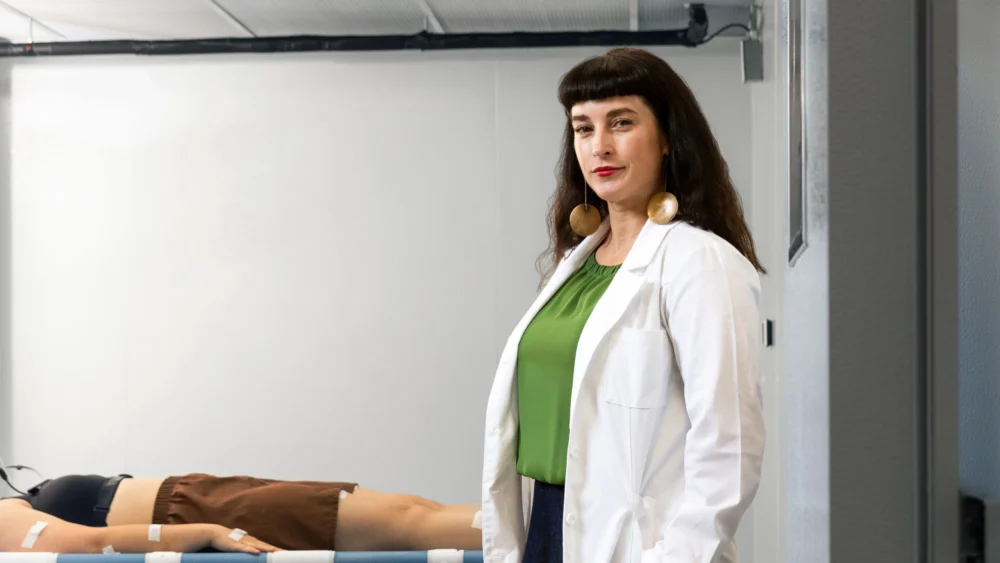
Across the globe, individuals are becoming unwilling participants in a burgeoning form of organized crime: vehicle transport fraud and theft. Criminals employ sophisticated tactics, including email phishing and the creation of fraudulent paperwork, to impersonate legitimate transport companies and secure contracts to deliver luxury vehicles. Once entrusted with a high-value automobile, these perpetrators divert the shipment from its intended destination. They then leverage a potent combination of advanced technology, computer expertise, and traditional methods to meticulously erase all traces of the vehicle’s original ownership and registration. In a chilling testament to the speed and efficiency of these operations, some stolen vehicles are resold or have already left the country before their rightful owners even realize they are missing.
This epidemic of vehicle transport fraud and theft, though widespread and deeply disruptive to the industry, has largely remained under the radar for the past two years. Through extensive investigation, including the examination of over a dozen cases involving high-end vehicles, the acquisition of court records, and interviews with law enforcement officials, industry brokers, drivers, and victims across multiple states, MIT Technology Review has uncovered the devastating impact of this transport fraud. The full exposé delves into the intricate methods employed by these criminal networks and the havoc they are wreaking across the nation.
In parallel, a significant global health challenge is being met with innovative solutions. Antimicrobial resistance (AMR) poses a grave threat, with infections caused by bacteria, fungi, and viruses that have evolved to evade treatments now accounting for over 4 million deaths annually. Projections indicate this grim statistic could escalate to surpass 8 million by 2050, underscoring the urgent need for novel approaches.
Bioengineer and computational biologist César de la Fuente is at the forefront of this battle. His team at the University of Pennsylvania is pioneering the use of artificial intelligence (AI) to scour vast genomic databases for peptides exhibiting antibiotic properties. De la Fuente envisions a future where these peptides, which are molecules composed of up to 50 amino acids linked together, can be artificially assembled into diverse configurations, including novel structures not found in nature. This groundbreaking research aims to equip the human body with new defenses against microbes that have become resistant to conventional treatments. His dedicated quest has already yielded promising candidates discovered in unexpected biological niches, offering a beacon of hope in the fight against superbugs.
These compelling narratives are featured in the upcoming print issue of MIT Technology Review magazine, which is dedicated to the multifaceted world of crime. To ensure you receive future issues as they are released, consider subscribing now.
The Must-Reads
The internet is abuzz with a curated selection of the most compelling, important, and sometimes unsettling technological stories of the day.
-
The Pentagon’s Potential Severance with Anthropic: The U.S. Department of Defense is reportedly close to ending all business relationships with AI company Anthropic. This move would have significant implications, potentially requiring any entity seeking to contract with the U.S. military to also cease its work with Anthropic. This development comes in the wake of reports that Anthropic’s AI, Claude, was utilized in a U.S. raid that led to the capture of the former Venezuelan President. The broader implications for generative AI’s role in military operations are also being explored, with reports indicating that generative AI is increasingly being trained to assist in military intelligence gathering.
-
RFK Jr.’s Focus on Baby Formula: Robert F. Kennedy Jr. is reportedly shifting his attention to the nation’s baby formula guidelines. However, advocacy groups have expressed concerns about the scientific grounding of any proposed overhauls by his administration, raising questions about the evidence-based approach to these critical health recommendations.
-
Germany Edges Closer to Social Media Ban for Under-16s: In a significant move to enhance digital safety for its younger population, Germany is moving towards implementing a ban on social media access for individuals under the age of 16. This initiative has garnered support from both the center-left and conservative coalition partners within the German government, signaling a unified commitment to creating safer online environments for youth.
-
Makers Resist ICE with Creative Hacks: The maker community is actively pushing back against the actions of Immigration and Customs Enforcement (ICE) through innovative use of technologies like laser-cutting and 3D-printing. This grassroots resistance highlights a growing tension, especially given that ICE has entered into hundreds of agreements with local law enforcement agencies, allowing for increased collaboration.

-
Consultancies’ AI Agent Deluge Faces Scrutiny: Thousands of AI agents have been developed by consultancies, leading to questions about their actual delivery capabilities and the tangible value they can provide. The industry is now at a critical juncture, needing to demonstrate the effectiveness of these AI deployments beyond the initial hype. Experts caution against allowing the enthusiasm surrounding AI agents to overshadow a realistic assessment of their performance.
-
Restaurant Workers Uncomfortable with Constant Recording: Restaurant employees are increasingly expressing dissatisfaction with the pervasive recording facilitated by Meta’s smart glasses. These devices enable a more surreptitious form of video recording, raising privacy concerns for workers in public-facing roles.
-
Arctic Rivers Turn Orange Due to Climate Change: The striking phenomenon of Arctic rivers turning bright orange has been attributed to climate change, not mining operations as initially suspected. This alarming visual indicator underscores the far-reaching impacts of a warming planet. Furthermore, scientists are now able to observe Earth’s permafrost thawing from space, a stark testament to the accelerating effects of climate change. The implications of the EPA’s diminished capacity to combat climate change are also being debated.
-
NASA’s AI Takes the Wheel on Mars Rover: NASA has successfully allowed an AI to pilot its Mars Perseverance rover, achieving a significant milestone by traversing 456 meters over two days without direct human intervention. While this represents a technological leap, the pace of this autonomous navigation is notably slow, prompting comparisons to the challenges faced by slow-moving food delivery robots which are increasingly becoming targets of vandalism in the U.S.
-
Machine Translates Photos into Smells: A newly developed machine possesses the remarkable ability to translate visual information from photographs into distinct olfactory experiences. This innovative technology suggests that users should exercise caution when selecting images, as the resulting scents could be unexpected.
-
YouTube Creator Achieves Directorial Success: Mark Fischbach, one of YouTube’s most prominent creators, has transitioned into a successful film director. He independently funded, produced, and released his film in theaters, demonstrating a new pathway for content creation and distribution.
Quote of the Day
"My advice to them would be to get with the program."
Jeremy Newmark, leader of a British council near the town of Potters Bar, has voiced strong opinions regarding local residents who are disputing plans to construct a substantial AI data center in their vicinity. His statement, reported by Wired, reflects a growing tension between technological development and community concerns.
One More Thing
The quest to understand how our bodies respond to extreme temperatures is intensifying as climate change subjects vulnerable populations to increasingly perilous conditions. In 2023 alone, an estimated 47,000 heat-related deaths occurred in Europe, with researchers projecting that climate change could contribute an additional 2.3 million such fatalities on the continent by the end of the century. This escalating crisis has amplified the urgency to unravel the physiological mechanisms governing thermoregulation. While general knowledge exists on how humans maintain their internal temperature, significant gaps remain in our understanding of how extremes transition from discomfort to life-threatening situations. Researchers worldwide are actively revising established guidelines, aiming to redefine the boundaries of survivability in increasingly volatile thermal environments. Their findings are crucial for adapting our understanding of human limits and developing effective survival strategies in a rapidly changing world.