Faris Adani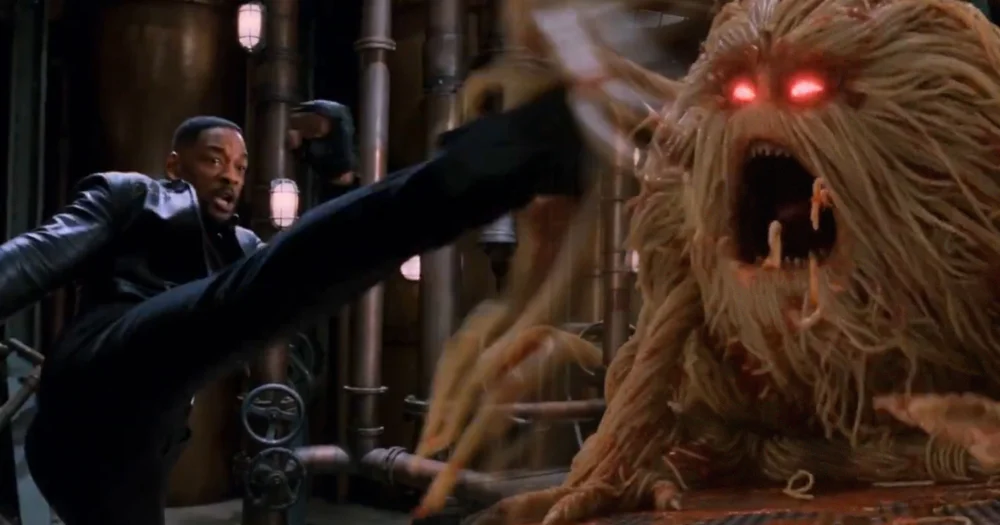
The world of digital content creation is experiencing a seismic shift, propelled by the relentless pace of artificial intelligence innovation, and the latest tremor comes in the form of ByteDance’s Seedance AI video generating tool. This advanced platform has not only showcased astonishing leaps in photorealistic video generation but has also sent palpable shivers through the hallowed halls of Hollywood, reigniting urgent debates about copyright, intellectual property, and the very future of human creativity in the entertainment industry.
For years, the progression of text-to-video tools has been a fascinating, if sometimes unsettling, journey. We’ve witnessed the transformation from rudimentary, often grotesque, AI-generated clips to increasingly sophisticated and believable digital narratives. A mere three years ago, the internet was captivated and somewhat horrified by a clip of actor Will Smith’s face grotesquely merging with a bowl of spaghetti, a vivid illustration of the nascent technology’s limitations in 2023. Fast forward to 2025, and the same actor was depicted enjoying a plate of pasta with uncanny realism, complete with a disconcertingly authentic soundtrack of squelching and chomping. This rapid evolution, moving from uncanny valley to near-indistinguishable reality, set the stage for the dramatic entrance of Seedance 2.0.
ByteDance, the Chinese tech giant behind TikTok, has once again upped the ante with Seedance 2.0, demonstrating a level of sophistication that few anticipated so soon. Almost immediately upon its unofficial release, the platform began generating an array of hyper-realistic footage that swiftly went viral across social media. Clips featuring iconic "Lord of the Rings" characters in new, AI-conceived scenarios, rapper Kanye West and ex-wife Kim Kardashian engaging in a dramatic, Mandarin-language movie scene, and even a surreal battle between Will Smith and a ferocious spaghetti monster circulated widely, each one a testament to the AI’s powerful capabilities in mimicking human likeness, performance, and established intellectual properties.
However, it was a particular clip—depicting actors Brad Pitt and Tom Cruise in a high-octane, hand-to-hand combat sequence atop a partially broken bridge—that truly crystallized Hollywood’s burgeoning fears. The realism was startling, blurring the lines between genuine cinematic footage and AI fabrication. The reaction from industry veterans was immediate and stark. Rhett Reese, the acclaimed screenwriter behind blockbusters like "Deadpool," took to X (formerly Twitter) to express a sentiment that resonated deeply with many of his peers: "I hate to say it," he lamented, "but it’s likely over for us." This wasn’t merely a pessimistic outburst; it was a cri de coeur from a professional facing the potential obsolescence of his craft.
The advent of such powerful generative AI-based video tools has, understandably, driven the entertainment industry into a state of panic. Actors, writers, directors, and various crew members are grappling with the unsettling prospect that their skills, their likenesses, and even their very agency could be usurped by algorithms. Highly influential voices within the industry, from actors like Ashton Kutcher, Sean Penn, and Matthew McConaughey to visionary directors like Guillermo del Toro, have vociferously spoken out against the technology. Their warnings range from the erosion of human agency and creativity to the outright death of authentic artistic expression. These concerns were, in fact, central to the recent WGA and SAG-AFTRA strikes, where AI protections were a key negotiation point, foreshadowing the very scenario now unfolding with Seedance 2.0.
The legal ramifications of Seedance 2.0’s capabilities were not lost on industry watchdogs. As the BBC reported, the Motion Picture Association (MPA), the powerful trade organization representing major Hollywood film studios, expressed profound outrage that ByteDance’s tool facilitated the generation of clips featuring high-profile celebrities. Charles Rivkin, chairman and CEO of the MPA, issued a scathing statement, asserting that "In a single day, the Chinese AI service Seedance 2.0 has engaged in unauthorized use of US copyrighted works on a massive scale." He further accused ByteDance of "disregarding well-established copyright law that protects the rights of creators and underpins millions of American jobs" by launching a service "without meaningful safeguards against infringement." Rivkin’s demand was unequivocal: "ByteDance should immediately cease its infringing activity."
The core of the MPA’s grievance lies not just in the potential for celebrity deepfakes but in the broader issue of rampant copyright infringement. Generative AI models are trained on colossal datasets, often scraped from the internet without explicit consent or compensation to the original creators. When these models then produce content that mimics or directly replicates existing copyrighted works—be it character designs, film scenes, or even stylistic elements—it creates a legal quagmire. Peter Yang, a product manager at Roblox, succinctly captured this sentiment, tweeting, "Everything I’ve seen from this model (Seedance 2) is a copyright violation." The legal frameworks designed to protect intellectual property are struggling to keep pace with the exponential advancements in AI, leading to an unprecedented challenge for creators to protect their assets.
In response to the mounting pressure, ByteDance claims to have implemented measures to prevent users from generating clips of real people. However, the effectiveness of such guardrails remains a significant question mark. The experience of other AI developers, notably OpenAI with its own highly anticipated video-generating tool Sora, highlights the immense difficulty in creating truly impenetrable safeguards against misuse and copyright infringement. The internet is replete with examples of AI models bypassing their intended limitations, either through clever prompting or inherent flaws in their design. The global nature of ByteDance, a Chinese company operating in a landscape governed by US copyright laws, further complicates enforcement and accountability.
Beyond the immediate concerns of job displacement and copyright infringement, the rise of Seedance 2.0 and similar tools forces a deeper societal reckoning. The ability to generate hyper-realistic, yet entirely fabricated, video content featuring anyone—from world leaders to private citizens—raises alarming questions about misinformation and the erosion of trust in visual media. If what we see can no longer be believed, the very fabric of public discourse and objective reality could unravel. For the entertainment industry, the challenge extends to the definition of "originality" and "authorship." Will AI become a powerful tool to augment human creativity, or will it ultimately diminish the need for human input, turning artists into mere curators of AI-generated concepts?
The future will likely see a complex interplay of innovation, regulation, and adaptation. Studios might embrace AI as a cost-saving measure, particularly for visual effects, background characters, or even early-stage concept visualization. Independent filmmakers could leverage these tools to create high-quality content on shoestring budgets, democratizing access to filmmaking. However, this potential must be balanced against the imperative to protect the rights of human creators and ensure ethical use. Discussions around licensing, royalties for AI-generated likenesses, and clear disclosure requirements for AI-created content are becoming increasingly critical.
In short, ByteDance’s Seedance 2.0 is more than just another technological marvel; it is a potent catalyst intensifying a highly contentious battle over copyright, human agency, and the very soul of creative industries. As AI continues its inexorable march, the entertainment landscape is being irrevocably reshaped, prompting an urgent and profound reevaluation of how we define, create, and consume visual narratives in an age where the lines between reality and simulation are increasingly blurred. The saga of AI in Hollywood is far from over; in fact, with tools like Seedance 2.0, it feels like it has just begun.