isnaini azizah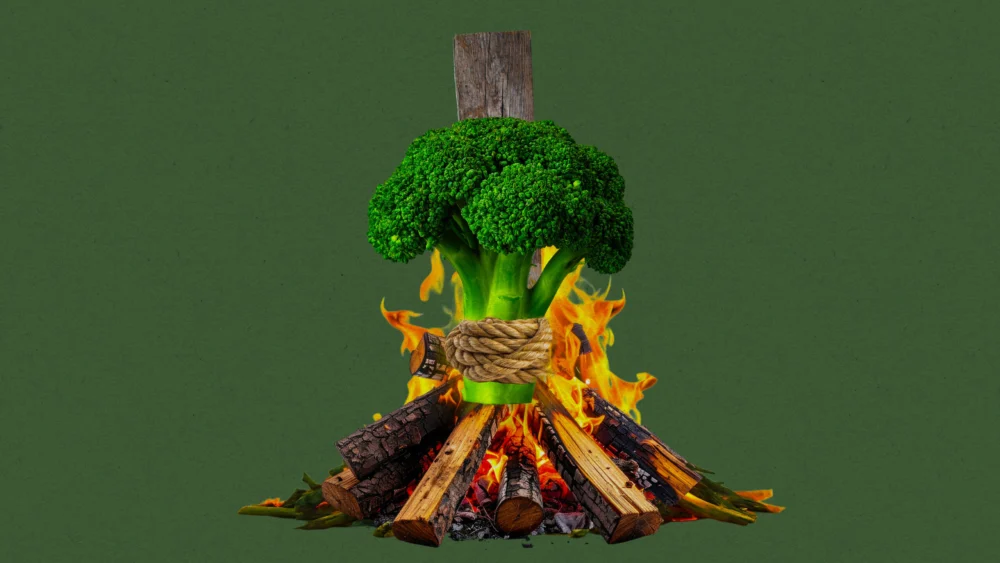
The trend towards extreme dietary practices is not entirely new, with some influencers pushing the consumption of meat to its absolute limits by adopting a "carnivore diet." Anthony Chaffee, an individual holding an MD and boasting nearly 400,000 followers, articulated this extreme stance in an Instagram post, proclaiming, "The best thing you could do is eliminate out everything except fatty meat and lard." This assertion, advocating for the complete exclusion of all other food groups, represents a stark deviation from mainstream nutritional recommendations.
The author’s personal experience underscores the prevalence of such unconventional viewpoints. While scrolling through LinkedIn, an interview with another doctor caught the author’s attention. This doctor, who identified himself as "90% carnivore," boldly declared, "There is zero scientific evidence to say that vegetables are required in the human diet." He further elaborated on his dietary habits, stating that his consumption the previous day consisted solely of a kilogram of beef. His justification for this extreme limitation was the purported presence of "anti-nutrients" in vegetables, a claim that requires further scientific scrutiny. The very notion that vegetables, long recognized for their vital role in a healthy diet, are unnecessary is a contentious one, directly contradicting decades of nutritional research.
The pervasive nature of such claims on social media is undeniable. A quick survey of online platforms reveals a constant stream of assertions promoting highly restrictive diets. Even Jordan Peterson, a well-known influencer, author, and psychologist, began advocating for a meat-only diet as far back as 2018. A recent academic review of nutrition misinformation disseminated on social media platforms, including Instagram and YouTube, concluded that a significant portion of the dietary advice shared is not only inaccurate but also constitutes a "growing public health concern." This research highlights the alarming spread of unsubstantiated nutritional claims and their potential to mislead the public.
What is particularly concerning is the emergence of such misinformation from individuals now holding positions within America’s federal health agencies. In January, Robert F. Kennedy Jr., who leads the Department of Health and Human Services, disclosed in an interview with USA Today that he adheres to a carnivore diet. He stated, "I only eat meat or fermented foods," and claimed that this dietary approach had facilitated a remarkable "40% loss of [his] visceral fat within a month." This personal testimonial, coming from the head of a significant health agency, lends an air of credibility to an otherwise radical dietary choice, potentially influencing public perception and behavior.
Adding to this growing concern, Martin Makary, the commissioner of the Food and Drug Administration, has also voiced strong opinions against prevailing dietary recommendations. In a recent podcast interview, Makary argued, "Government needs to stop spreading misinformation that natural and saturated fats are bad for you." He further characterized the principles of "whole foods and clean meats" as "biblical," implying a divinely ordained endorsement for such a diet. His warnings about pesticides in produce were so compelling that the interviewer confessed to feeling an urge to "avoid all salads and completely miss the organic section in the grocery store," illustrating the persuasive power of these pronouncements, even when they contradict established scientific consensus.
For the record, it is crucial to reiterate that there is substantial scientific evidence indicating that a diet high in saturated fat can significantly increase the risk of heart disease. This is not a fabrication or government overreach; it is a well-established scientific fact supported by numerous studies and decades of research. The notion that saturated fats are inherently benign or even beneficial, as implied by some proponents of extreme diets, directly contradicts this overwhelming body of evidence.
The assertion by carnivore diet proponents that vegetables are unnecessary is also challenged by nutritional experts. Gabby Headrick, the associate director of food and nutrition policy at George Washington University’s Institute for Food Safety & Nutrition Security, unequivocally states that there is no scientific evidence to support the claim that a meat-only diet is beneficial. She emphasizes, "All of the nutrition science to date strongly identifies a wide array of vegetables… as being very health-promoting." This expert opinion directly refutes the radical claims made by some influencers and underscores the indispensable role of plant-based foods in a healthy human diet.
To offer a degree of fairness to the individuals promoting these dietary trends, it must be acknowledged that studying diet and its effects is an inherently complex undertaking. Much of the existing nutritional research relies on self-reported food diaries, a method that is often hampered by inaccuracies and omissions as individuals may struggle to meticulously and honestly record their intake. Furthermore, an individual’s physiological response to food can be influenced by a myriad of factors, including genetic predispositions, the composition of their gut microbiome, the methods used to prepare and consume food, and other less understood variables. This complexity can sometimes be exploited to promote unsubstantiated theories.
Nevertheless, it comes as no surprise that social media platforms are awash with "low-quality content" that disseminates nutritional misinformation, as identified by the aforementioned study. In light of this, it is imperative for consumers to cultivate a healthy dose of skepticism, particularly when encountering claims that tout "miracle foods" or advocate for extreme, restrictive dietary regimens. The allure of quick fixes and radical transformations can be powerful, but often these promises are not grounded in sound scientific principles.
The reality is that for most individuals, food is neither inherently good nor bad when consumed in moderation. Dietary trends are ephemeral, constantly evolving and often driven by popular opinion rather than robust scientific backing. For the vast majority of people, the most sensible and evidence-based dietary advice remains the promotion of a balanced diet that is low in sugar, salt, and saturated fat. These are the fundamental principles of healthy eating, the "basics" that have stood the test of time and scientific scrutiny. Regardless of what any inverted food pyramid or a carnivore influencer might suggest, adhering to these foundational nutritional tenets is the most reliable path to sustained health and well-being. To the proponents of the carnivore diet and other extreme dietary philosophies, the message is clear: it’s time to remove your misinformation from our plates, especially from our broccoli.