anjir abdul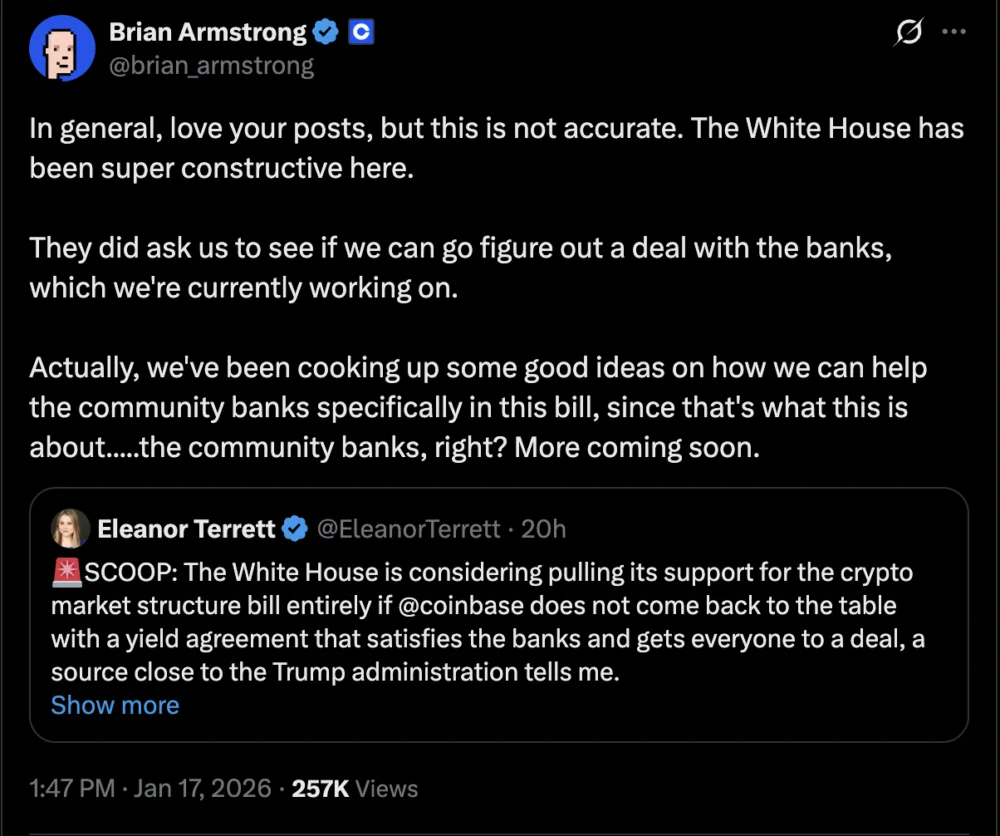
Today in Crypto reveals a stark reality for the decentralized world: nearly four out of five crypto projects that suffer a major hack never fully regain their footing, highlighting profound vulnerabilities in the Web3 ecosystem. This sobering statistic comes as Ethereum’s staking validator exit queue remarkably hits zero, signaling surging confidence and demand for Ether, while Coinbase CEO Brian Armstrong actively denies any White House clash over the crucial CLARITY Act, emphasizing ongoing, constructive negotiations.
The Lingering Scar: Why 80% of Hacked Crypto Projects Fail to Recover
The decentralized finance (DeFi) and broader Web3 space, while promising innovation and financial freedom, remains a high-stakes arena fraught with security risks. A recent assessment by Mitchell Amador, CEO of Web3 security platform Immunefi, paints a grim picture: a staggering 80% of crypto projects that endure a significant hack ultimately fail to make a complete recovery. This isn’t merely about financial loss; it’s a systemic breakdown that often leads to irreversible damage.
Amador’s insights underscore a critical vulnerability within the industry: a pervasive lack of preparedness. He explained to Cointelegraph that most protocols enter a state of operational paralysis the moment an exploit is detected. "Most protocols are fundamentally unaware of the extent to which they are exposed to hacks, and are not operationally prepared for a major security incident," Amador stated, highlighting a dangerous blind spot in many project roadmaps. This unpreparedness transforms a security breach from a recoverable incident into a catastrophic event.
The initial hours following a breach are identified as the most damaging. Without a pre-defined, robust incident response plan, teams are often plunged into chaos. Precious time is lost in hesitation, internal debates over the next steps, and a dangerous underestimation of the exploit’s potential depth and scope. Amador elaborated on this critical phase: "Decision-making slows as teams scramble to understand what happened, leading to improvisation and delayed action." This period of indecision is frequently when additional, avoidable losses occur, compounding the initial damage and eroding user trust at an accelerated pace.
A significant hurdle to effective incident response is the fear of reputational damage. Projects often shy away from pausing smart contracts or taking decisive, public action, fearing that such moves will signal weakness or instability to their community and the market. This hesitation, however, is a double-edged sword. While intended to mitigate reputational harm, it often exacerbates the problem. Simultaneously, communication with users frequently breaks down entirely. Amador issued a stark warning: "Silence tends to amplify panic rather than contain it." In the transparent, community-driven world of Web3, a lack of clear, timely communication during a crisis can be more detrimental than the hack itself, fostering an environment of speculation, fear, uncertainty, and doubt (FUD) that spirals out of control.
"Nearly 80% of projects that suffer a hack never fully recover," Amador reiterated. "The primary reason is not the initial loss of funds, but the breakdown of operations and trust during the response." This highlights a crucial distinction: while the financial impact is immediate and quantifiable, the erosion of trust is a long-term, often irreparable consequence. When users lose faith in a project’s ability to protect their assets or communicate transparently, they abandon it, taking their liquidity and community support with them. This breakdown extends beyond users to investors, partners, and developers, creating a ripple effect that cripples the project’s ability to rebuild.
The implications of this high failure rate are profound for the entire Web3 ecosystem. It underscores the urgent need for projects to prioritize security beyond mere audits, implementing comprehensive incident response plans, conducting regular simulations, and fostering a culture of transparency. The role of platforms like Immunefi becomes even more critical in this landscape, providing vital security services, bug bounties, and incident response frameworks to help projects mitigate risks and navigate the treacherous aftermath of an exploit. Without a fundamental shift in how security and incident management are approached, the 80% recovery failure rate will continue to cast a long shadow over the industry’s growth and legitimacy.

Ethereum’s Staking Surge: Exit Queue Zero, Confidence Soars
In stark contrast to the security woes plaguing many crypto projects, Ethereum (ETH) is showcasing robust health and burgeoning investor confidence. The Ethereum staking validator exit queue has plummeted to an unprecedented zero, a pivotal moment signaling a dramatic reduction in selling pressure and a significant strengthening of belief in Ether as a yield-bearing asset. This development is a direct testament to the success of the Shapella upgrade, which enabled ETH withdrawals from staking, proving the network’s resilience and reliability.
Data from the Ethereum Validator Queue reveals a remarkable shift in market dynamics. The exit queue, which had reached a peak of 2.67 million Ether (ETH) in September 2025 (likely a typo in the original text, usually refers to a recent period or future projection, assuming a recent peak in 2023/2024 for context), has now completely cleared, standing at 0 ETH. Simultaneously, the entry queue for new validators has experienced an explosive surge, rising more than fivefold over the last month to reach 2.6 million ETH – a level not seen since July 2023. This imbalance signifies an overwhelming demand to stake ETH, far outweighing any desire to withdraw it.
The consequences of this surge are tangible: wait times for the entry queue have now stretched out to an estimated 45 days, reflecting the sheer volume of ETH waiting to be staked and contribute to network security. Conversely, exiting ETH is processed in a matter of minutes, highlighting the network’s efficiency and the low current demand for withdrawals. This dynamic paints a picture of a healthy, growing staking ecosystem, where participants are keen to commit their assets for the long term.
Industry analysts are unanimous in their assessment: these massive staking inflows are profoundly strengthening ETH’s supply-demand dynamic, potentially setting the stage for sustained upward price momentum in the coming months. Leon Waitmann, head of research at Onchain Foundation, articulated this bullish sentiment on Monday, stating, "Once the entry queue converts into active validators, the staking rate moves higher and pushes toward new all-time highs." He concluded with an optimistic outlook: "Bullish set-up for the coming months."
The shift signifies more than just technical efficiency; it represents a maturation of the Ethereum network and a growing understanding of its economic model. As more ETH is locked in staking, the circulating supply decreases, creating scarcity that can drive price appreciation. Furthermore, the act of staking enhances the network’s security and decentralization, making it more robust and attractive for developers and users alike.
A significant driver behind these massive inflows is the burgeoning institutional demand for ETH staking yields. With an Annual Percentage Rate (APR) currently hovering around 2.8%, ETH staking offers a compelling return, particularly when compared to traditional finance yields in a fluctuating economic landscape. Institutions, now equipped with clearer regulatory pathways and more sophisticated infrastructure for managing digital assets, are increasingly viewing staked ETH as a legitimate and attractive investment vehicle. This institutional embrace not only injects capital but also lends greater credibility to the entire crypto space, potentially paving the way for broader adoption and integration into mainstream finance. The cleared exit queue and soaring entry queue are powerful indicators of a confident, expanding Ethereum ecosystem ready for its next phase of growth.
Coinbase CEO Defuses CLARITY Act Clash, Advocates for Community Banks

In the complex and often contentious landscape of U.S. crypto regulation, Brian Armstrong, the CEO of leading crypto exchange Coinbase, has stepped forward to clarify and, in part, deny recent reports suggesting a clash with the White House over the crucial CLARITY Act. This proposed market structure bill is a linchpin for establishing clearer rules for the digital asset industry, and its progress has been closely watched by all stakeholders.
Recent reports, particularly from independent crypto journalist Eleanor Terrett, indicated that the White House might be considering withdrawing its support for the CLARITY Act, a move that sent ripples of concern through the crypto community. However, Armstrong took to X (formerly Twitter) on Saturday to counter these narratives, asserting a much more constructive relationship. "The White House has been super constructive here," Armstrong stated in his post, directly challenging the notion of a standoff.
He further elaborated on the nature of the ongoing discussions, revealing that the White House had encouraged the crypto industry to engage directly with traditional financial institutions. "They did ask us to see if we can go figure out a deal with the banks, which we’re currently working on," Armstrong explained. This directive points towards a collaborative approach, aiming to bridge the gap between the nascent crypto sector and established financial players. Crucially, Armstrong revealed that these negotiations are already bearing fruit: "Actually, we’ve been cooking up some good ideas on how we can help the community banks, specifically in this bill."
The CLARITY Act is a cornerstone of regulatory efforts in the U.S., designed to provide much-needed clarity on how digital assets are classified and regulated. Its passage is seen as essential for fostering innovation, protecting consumers, and ensuring the U.S. remains competitive in the global crypto economy. The bill’s stalled progress on Thursday, following Coinbase and other crypto industry executives reportedly withdrawing support due to various concerns, had fueled speculation of a deepening divide between the industry and policymakers.
Armstrong’s intervention aims to reset the narrative, emphasizing that the dialogue is ongoing and productive, rather than confrontational. The focus on community banks is particularly insightful. Integrating crypto into the broader financial system requires not just engaging with large, Wall Street institutions, but also ensuring that smaller, local banks can participate safely and effectively. Helping community banks navigate the complexities of digital assets could unlock significant capital and foster broader adoption at a grassroots level, benefiting both the crypto industry and local economies.
The broader context of crypto regulation in the U.S. is one of persistent uncertainty, marked by jurisdictional disputes between regulatory bodies like the SEC and CFTC, and a lack of a unified legislative framework. Bills like the CLARITY Act, alongside efforts to pass stablecoin legislation, represent critical steps towards establishing a coherent and predictable regulatory environment. Armstrong’s commitment to finding common ground with banks, particularly community banks, demonstrates a strategic effort to build consensus and address concerns from traditional finance, which is often a prerequisite for significant legislative progress.
The outcome of these negotiations and the ultimate fate of the CLARITY Act will have profound implications. For Coinbase and other crypto firms, clear rules mean reduced regulatory risk, greater certainty for business operations, and potentially easier access to traditional financial services. For investors, it promises enhanced protection and a more stable market. And for the U.S. as a whole, it could solidify its position as a leader in digital asset innovation. Armstrong’s proactive stance underscores the industry’s recognition that collaboration, rather than confrontation, is the path forward for securing a favorable regulatory future.
Cointelegraph is committed to independent, transparent journalism. This news article is produced in accordance with Cointelegraph’s Editorial Policy and aims to provide accurate and timely information. Readers are encouraged to verify information independently. Read our Editorial Policy https://cointelegraph.com/editorial-policy.