anjir abdul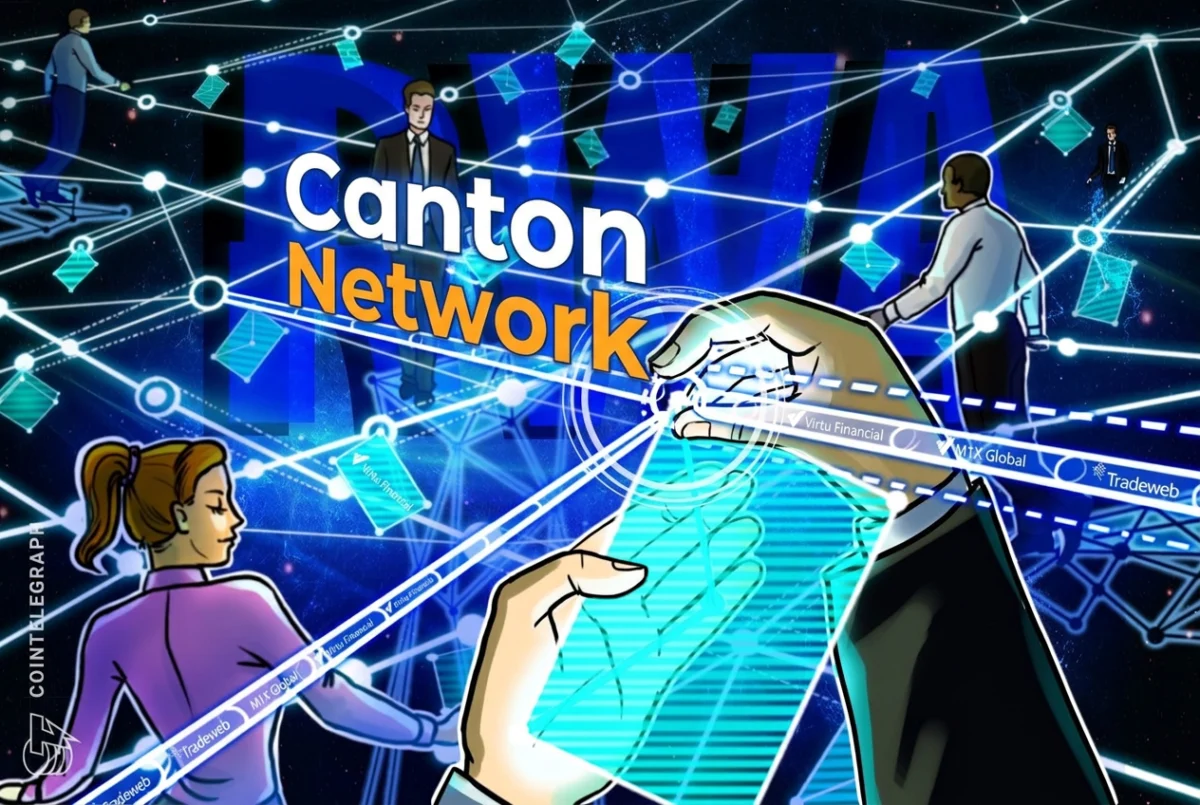
The core of this groundbreaking transaction involved USDM1, a US dollar-denominated sovereign bond issued natively onchain by the Republic of the Marshall Islands. This innovative digital asset is meticulously structured to be backed 1:1 by short-term US Treasurys, providing a robust and stable foundation for its value. Crucially, USDM1 is designed to pay a coupon, even while being actively utilized as collateral, offering a novel mechanism for yield optimization within a digital framework. Legally, the bond is structured under New York law as a fully collateralized sovereign obligation, providing the necessary legal clarity and enforceability that institutional participants demand. The issuance and management of USDM1 are facilitated by M1X Global, an entity instrumental in bringing this sovereign digital asset to market.
What makes this particular repo transaction truly revolutionary, as highlighted by both Virtu and Tradeweb, is its unique combination of natively issued sovereign collateral with fully onchain atomic settlement. Unlike traditional financial processes that often involve multiple intermediaries, manual reconciliation, and delayed settlement, the onchain nature of this transaction allowed for instantaneous, simultaneous exchange of collateral and cash. This "atomic settlement" ensures that both legs of the transaction occur at the same time, eliminating counterparty risk and the need for costly post-trade reconciliation. Executed between regulated counterparties on Tradeweb’s platform, the complete repo and subsequent repurchase cycle was astonishingly completed in under 10 minutes, a stark contrast to the multi-day settlement periods often associated with traditional financial instruments.
This event transcends mere technological demonstration; it represents a practical application of tokenized sovereign debt as a dynamic form of collateral within an institutional financing transaction. Traditionally, digital assets have primarily been explored for issuance or trading purposes. However, their utility as a foundational element in a high-volume, liquidity-driven market like repo unlocks new avenues for efficiency and capital optimization. The ability to tokenize highly liquid and stable sovereign debt, and then seamlessly integrate it into a financing mechanism, signifies a maturation of the digital asset ecosystem, moving beyond speculative trading to serve core functions of the global financial system. While acknowledged as an early-stage example, the potential for this model to see broader adoption across institutional repo markets is immense, promising a future of faster, cheaper, and more secure financial operations.
Accessibility and institutional-grade infrastructure are paramount for the widespread adoption of digital assets. USDM1 is made available through the established electronic trading platform Tradeweb, a testament to its integration within existing institutional workflows. Furthermore, institutional custody for USDM1 is provided by leading digital asset custodians such as Anchorage Digital, BitGo, and tZERO. These custodians play a critical role in offering the security, regulatory compliance, and robust operational frameworks necessary for institutions to confidently engage with digital assets, bridging the gap between innovative blockchain technology and the stringent requirements of traditional finance. The presence of these regulated custodians underscores the commitment to establishing a secure and compliant environment for digital asset collateral.
The successful execution of this onchain repo is intrinsically linked to the Canton Network, a blockchain platform purpose-built and meticulously engineered for the demanding requirements of institutional finance. Unlike public, permissionless blockchains, Canton prioritizes privacy and permissioning features, which are non-negotiable for regulated transactions and the handling of tokenized assets by financial institutions. Its design addresses critical concerns such as data confidentiality, regulatory compliance, and the need for controlled access, allowing institutions to participate in a secure and compliant digital environment. Developed by Digital Asset, Canton leverages DAML, a smart contract language that enables the creation of highly expressive and interoperable applications, facilitating the complex logic required for sophisticated financial instruments like repos.
The repo transaction is not an isolated incident but rather the latest in a series of significant institutional activities unfolding on the Canton Network, signaling its growing prominence as a foundational layer for the future of finance. Just prior to this, in July, Tradeweb also facilitated the real-time transfer of a tokenized US Treasury from Franklin Templeton to Virtu Financial on Canton, with the transaction settling against USDCx. This demonstrated the network’s capability to handle the transfer of highly liquid, traditional financial instruments in a tokenized form, further showcasing its potential to streamline inter-institutional transfers and enhance market liquidity.
August witnessed an acceleration of network activity, underscoring the platform’s versatility and increasing ecosystem. FalconX and Interstice launched a cross-chain swap engine, connecting Canton with other major blockchain networks like Ethereum, Solana, and Robinhood Chain. This interoperability is vital for fostering a cohesive digital asset landscape, allowing assets and liquidity to flow seamlessly between different blockchain environments, thereby expanding the reach and utility of tokenized assets on Canton. Concurrently, World Liberty Financial launched its USD1 stablecoin natively on Canton, providing another crucial building block for onchain finance: a reliable, regulated, and stable representation of fiat currency, essential for settlement and liquidity provisioning.
Beyond purely financial applications, Canton’s potential extends to public sector innovation. This month, Digital Asset, in collaboration with the American Idea Foundation—founded by former US House Speaker Paul Ryan—announced ambitious plans for a 2027 pilot program. This initiative aims to leverage Canton to distribute state-administered benefits across three US states, showcasing the blockchain’s capacity for transparent, efficient, and secure public service delivery. Such diverse applications highlight Canton’s robust and adaptable architecture, capable of supporting a wide array of use cases that demand high integrity, privacy, and performance.
While the success of this onchain repo transaction is undeniable, the participants acknowledge that it remains an early-stage example. The path to broader adoption across institutional repo markets, and indeed the wider financial system, involves navigating several complex challenges. Regulatory clarity is paramount; as these innovative models emerge, regulators globally will need to develop comprehensive frameworks that foster innovation while ensuring market integrity and investor protection. Interoperability standards, both within the digital asset ecosystem and with existing legacy financial systems, will also be crucial to prevent fragmentation and enable seamless integration. Furthermore, overcoming the inertia of deeply entrenched traditional systems and educating market participants about the benefits and nuances of blockchain-based finance will require sustained effort.
Despite these hurdles, the implications of this event are profound. It demonstrates that tokenized sovereign debt can serve as a robust, liquid, and efficient form of collateral, enhancing the functionality of global financial markets. The speed and atomic settlement capabilities offered by platforms like Canton promise to unlock significant efficiencies, reduce operational costs, and mitigate risks across various financial operations, from short-term financing to complex derivatives. This transaction represents a tangible step towards a future where traditional and digital finance converge, creating a more interconnected, efficient, and resilient global financial infrastructure. The journey towards widespread adoption may be long, but the successful completion of this onchain repo marks a definitive turning point, proving the viability and immense potential of blockchain technology in revolutionizing institutional finance.