Imroatul Nasiyah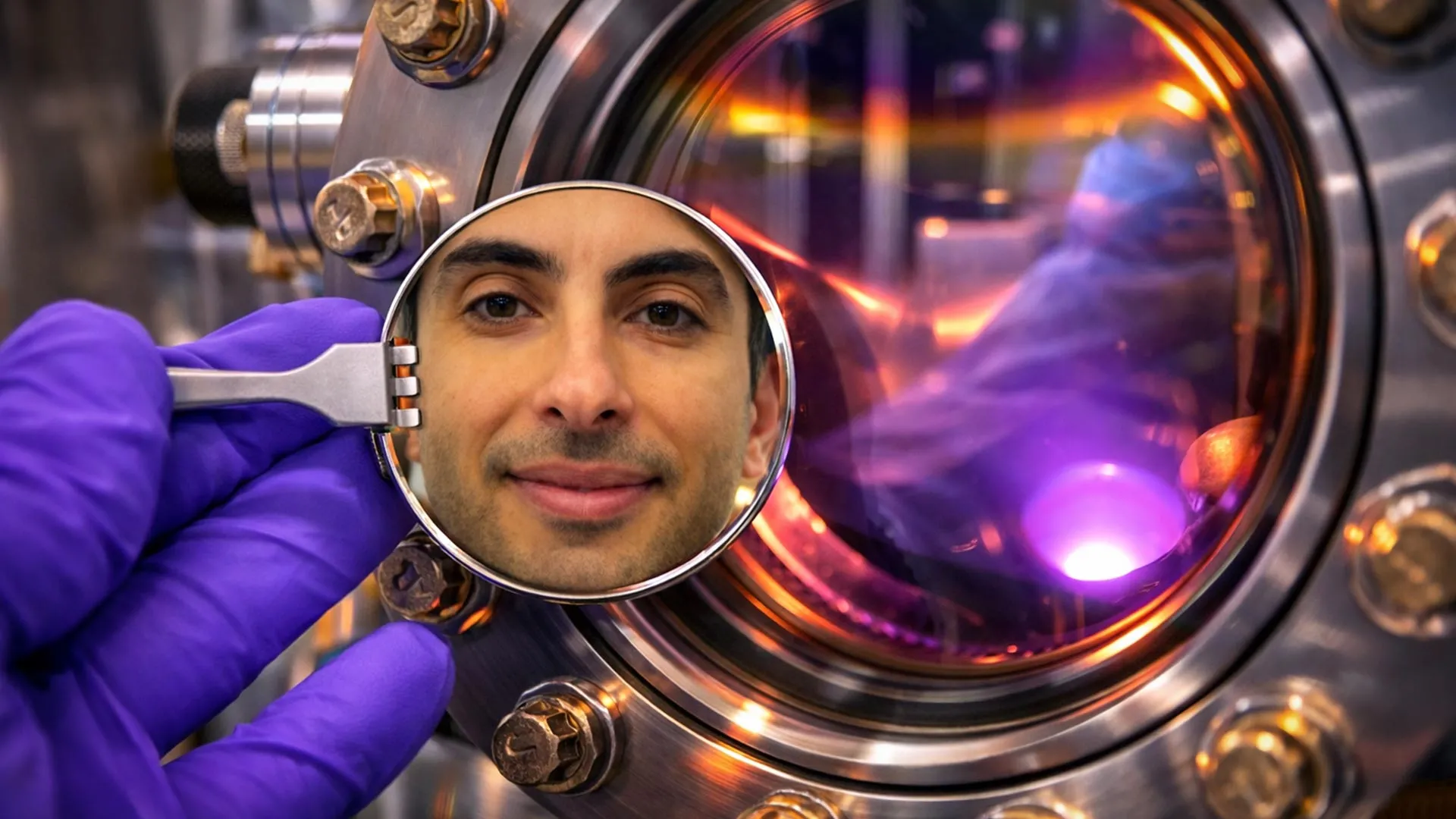
Scientists have unveiled a revolutionary nanoelectronic device, meticulously engineered to mimic the astonishing efficiency of the human brain, paving the way for a dramatic reduction in the energy demands of artificial intelligence. This groundbreaking innovation, spearheaded by a dedicated research team at the University of Cambridge, introduces a novel application of hafnium oxide, transforming it into a highly stable and ultra-low-energy ‘memristor’. These advanced components are specifically designed to emulate the intricate network of connections and communication pathways that define neuronal activity in our own minds, offering a potent and sustainable alternative to the energy-intensive hardware currently powering the AI revolution. The culmination of years of dedicated research and painstaking experimentation, these findings have been meticulously documented and published in the prestigious scientific journal Science Advances, marking a significant milestone in the quest for more environmentally conscious and performant AI.
The insatiable hunger for energy exhibited by contemporary AI systems is a direct consequence of their reliance on conventional computing architectures. These traditional chips necessitate a constant and energy-draining shuttling of data between separate memory units and processing cores. This relentless data transit, a fundamental bottleneck in current designs, consumes substantial amounts of electricity, a demand that escalates exponentially as AI applications permeate every facet of our lives and industries, from sophisticated data analytics to complex robotics and immersive virtual environments. The sheer volume of information processed by modern AI necessitates a paradigm shift, and neuromorphic computing, with its brain-inspired approach, presents a compelling solution. Instead of maintaining a rigid separation between memory and processing, neuromorphic systems ingeniously integrate these functions within a singular architectural framework, mirroring the elegant and efficient design of the human brain. This fundamental architectural difference holds the potential to not only slash energy consumption by an impressive 70% but also to imbue AI systems with a more innate and adaptive capacity for learning and real-time response.
Dr. Babak Bakhit, the lead author of the study and a distinguished researcher at Cambridge’s Department of Materials Science and Metallurgy, underscored the critical nature of energy consumption as a primary impediment to the advancement of AI hardware. He articulated the stringent requirements for next-generation AI components: "Energy consumption is one of the key challenges in current AI hardware," he stated. "To address that, you need devices with extremely low currents, excellent stability, outstanding uniformity across switching cycles and devices, and the ability to switch between many distinct states." These demands highlight the inadequacy of existing technologies and the urgent need for innovative solutions that can meet the escalating performance expectations of AI without imposing an unsustainable energy burden.
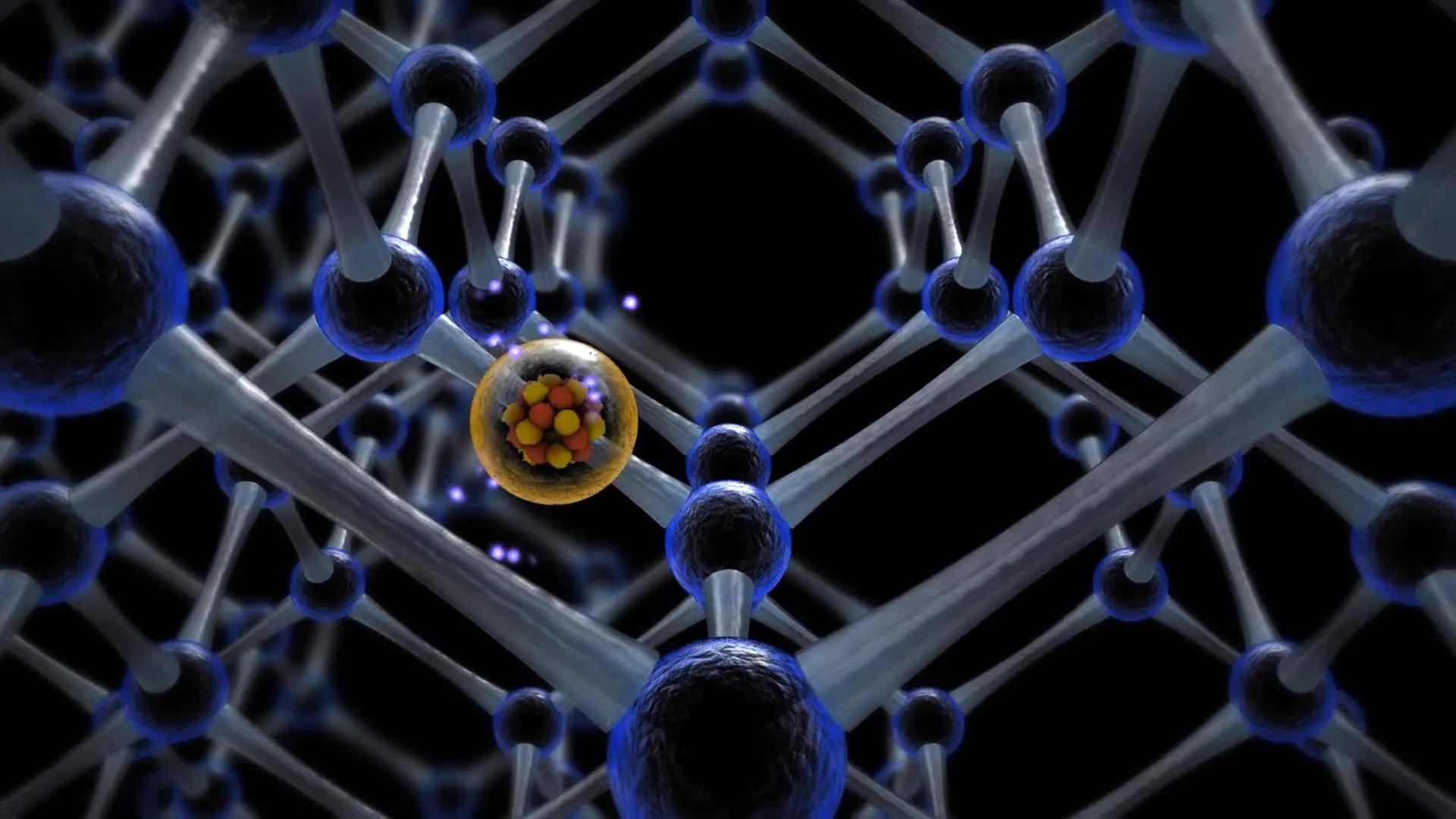
The prevailing memristor designs often falter due to their inherent reliance on the unpredictable formation and dissolution of minuscule conductive filaments within metal oxide materials. These filaments are notoriously capricious, exhibiting erratic behavior and frequently demanding high voltage inputs, thereby severely limiting their applicability in large-scale, power-sensitive computing applications. The Cambridge research team, however, charted a fundamentally different and more sophisticated course. They meticulously engineered a hafnium-based thin film, a material chosen for its inherent stability and favorable electronic properties. Their innovation lies in a controlled switching mechanism that circumvents the instability of filamentary behavior. Through a precise two-step growth process, incorporating carefully selected elements like strontium and titanium, they successfully fabricated miniature electronic gates, known as ‘p-n junctions’, precisely at the interfaces between the different material layers.
This ingenious design sidesteps the unpredictable nature of filament formation altogether. Instead, the device dynamically modulates its electrical resistance by subtly adjusting the energy barrier at these precisely engineered interfaces. This controlled manipulation of energy barriers facilitates a significantly smoother, more predictable, and exceptionally reliable switching behavior, a critical attribute for robust computational performance. Dr. Bakhit elaborated on this pivotal aspect of their design, emphasizing its superiority over existing technologies: "Filamentary devices suffer from random behavior," he explained. "But because our devices switch at the interface, they show outstanding uniformity from cycle to cycle and from device to device." This uniformity is paramount for building complex and reliable neuromorphic circuits, where consistent device behavior is essential for accurate computation and learning.
The experimental validation of these novel devices has yielded remarkable results, demonstrating their potential to redefine the landscape of AI hardware. Tests revealed that the new memristors operate at switching currents that are approximately one million times lower than those required by many conventional oxide-based memristors. This astonishing reduction in current translates directly into a dramatic decrease in energy consumption, a crucial advantage for power-constrained applications. Furthermore, these devices exhibit an impressive capacity to achieve hundreds of distinct and stable conductance levels. This multi-state capability is not merely an incremental improvement; it is a foundational requirement for analogue ‘in-memory’ computing, a highly efficient approach where computations are performed directly within memory elements, eliminating the need for energy-intensive data transfers.
In controlled laboratory experiments, the newly developed devices showcased exceptional resilience and stability, successfully undergoing tens of thousands of switching cycles without degradation. Crucially, they also demonstrated the remarkable ability to retain their programmed states for extended periods, approximately 24 hours, a testament to their inherent stability. Beyond their energy efficiency and stability, these memristors have also exhibited key biological learning behaviors, most notably spike-timing dependent plasticity (STDP). STDP is a fundamental mechanism in the brain where the strength of connections between neurons is dynamically adjusted based on the precise timing of their electrical signals, or ‘spikes’. The successful emulation of this complex biological learning process in artificial hardware is a significant leap forward, enabling AI systems to learn and adapt in a more organic and nuanced manner. "These are the properties you need if you want hardware that can learn and adapt, rather than just store bits," Dr. Bakhit emphasized, highlighting the transformative potential of this brain-like learning capability.
Despite the exceptionally promising nature of these findings, the path to widespread adoption is not without its challenges. A significant hurdle lies in the current manufacturing process, which necessitates elevated temperatures, around 700°C, a requirement that falls outside the typical operational parameters of standard semiconductor fabrication facilities. "This is currently the main challenge in our device fabrication process," acknowledged Dr. Bakhit. "But we’re now working on ways to bring the temperature down to make it more compatible with standard industry processes." Addressing this thermal constraint is paramount for seamless integration into existing manufacturing workflows and the eventual scaling of production.
The successful resolution of this fabrication temperature issue could unlock the full potential of this groundbreaking technology, enabling its seamless integration into practical chip-scale systems. "If we can reduce the temperature and put these devices onto a chip, it would be a major step forward," Dr. Bakhit stated optimistically, envisioning a future where highly efficient, brain-like AI processors are commonplace. The journey to this breakthrough has been a protracted and arduous one, marked by years of persistent experimentation and numerous setbacks. Dr. Bakhit recounted the arduous process, noting that significant progress only materialized late last year after a critical modification to the fabrication process, which involved introducing oxygen only after the initial layer had been formed.
"I spent almost three years on this," he shared, reflecting on the intense dedication and perseverance required. "There were a huge number of failures. But at the end of November, we saw the first really good results. It’s still early days of course, but if we can solve the temperature issue, this technology could be game-changing because the energy consumption is so much lower and at the same time, the device performance is highly promising." This testament to scientific resilience underscores the profound impact of overcoming long-standing technical challenges. The research received vital support from a consortium of esteemed organizations, including the Swedish Research Council (VR), the Royal Academy of Engineering, the Royal Society, and UK Research and Innovation (UKRI). Recognizing the commercial potential of this innovation, Cambridge Enterprise, the University’s dedicated innovation and commercialization arm, has filed a patent application, signaling the significant interest in bringing this transformative technology to market.