Faris Adani
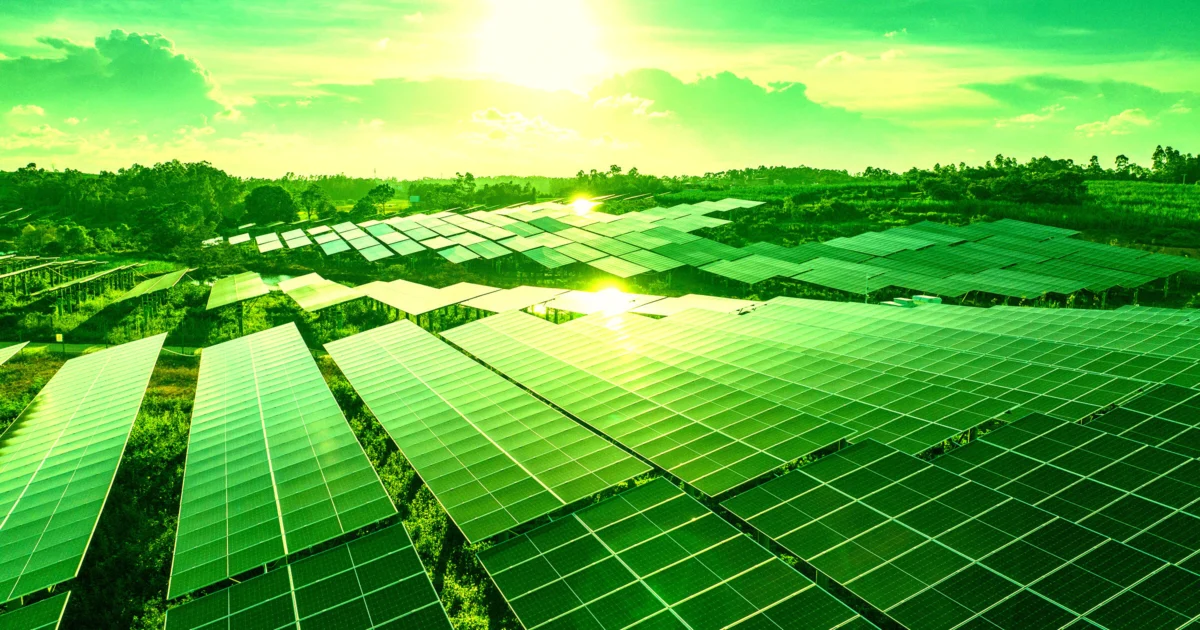
As the global energy landscape undergoes a dramatic transformation, spurred by the urgent need for energy security amidst geopolitical turbulence, particularly following the US war on Iran, the scramble for alternative power sources has intensified into an unprecedented race. Contrary to some past predictions that envisioned a future dominated by advanced nuclear technologies or exotic energy breakthroughs, the current reality paints a very different picture: the solar trade has not just surged but has utterly eclipsed nuclear power, leaving it far behind in the rearview mirror. This seismic shift marks a pivotal moment in the global energy transition, signaling solar photovoltaics’ undeniable ascendancy as the primary engine driving humanity’s quest for sustainable and abundant energy.
According to recent comprehensive reporting by the BBC, the remarkable growth of photovoltaics is set to achieve a monumental milestone by the close of 2026. By this time, solar energy is projected to account for a significant 10 percent of the world’s total power generation. This threshold is not merely a statistical benchmark; it signifies the official moment when solar energy will definitively surpass nuclear fission in its contribution to the global electricity mix. This achievement underscores a profound reordering of priorities and capabilities within the energy sector, demonstrating solar’s maturity and its increasing indispensability. Jan Rosenow, a distinguished professor of energy and climate policy at the University of Oxford, aptly summarized this phenomenon, stating, "solar is now the engine of the power transition." His words resonate deeply, reflecting the undeniable momentum that solar technology has gathered over the past decades, transforming from a niche alternative into a mainstream powerhouse.
The contrast between solar’s meteoric rise and nuclear energy’s largely stagnant trajectory over the past quarter-century is stark and illuminating. While global nuclear energy generation has remained predominantly flat for the last 26 years, showing little to no significant expansion, the volume of solar energy generated has experienced an explosive, almost unfathomable increase. Over the same period, solar power generation has surged by an astonishing 2,700 times. This exponential growth rate is virtually unparalleled in modern energy history, showcasing solar’s unparalleled scalability, technological advancements, and economic competitiveness. This rapid expansion is not merely incremental but represents a fundamental reshaping of how energy is produced and consumed worldwide.
A substantial portion of this unprecedented solar energy boom can be directly attributed to the People’s Republic of China. China’s strategic and massive investments in solar manufacturing have created an industrial ecosystem that produces photovoltaics on a scale previously unimaginable. This overwhelming supply has had a transformative effect on the global market, driving down the cost of solar panels to historically low and increasingly competitive levels. The sheer volume of Chinese-made solar components has made solar power an economically viable, and often superior, option for energy generation across diverse geographies and economic contexts. This cost-efficiency has democratized access to renewable energy, making it an attractive proposition for both developed and developing nations seeking to reduce their reliance on fossil fuels and achieve energy independence.
In stark contrast to solar’s flourishing landscape, the nuclear energy sector, particularly in countries like the United States, continues to grapple with significant headwinds. Despite the emergence of numerous US-based startups dedicated to revitalizing the nuclear energy sector and developing safer, more efficient reactor designs, their efforts to commercialize advanced fission technologies appear to be progressing at a glacial pace. The dream of a nuclear renaissance, often championed by proponents as a carbon-free baseload power source, has repeatedly stumbled over practical hurdles. These challenges are multifaceted, encompassing not only the technical complexities of reactor design but also the arduous regulatory processes, public perception issues surrounding safety and waste, and, most critically, escalating financial burdens.
Indeed, the cost of nuclear construction projects in the US has soared dramatically over recent decades, defying conventional economic norms that typically predict cost reductions as industries mature and scale increases. Historically, infrastructure projects, particularly those involving complex engineering and construction, tend to benefit from economies of scale and learning curves, leading to decreasing unit costs over time. However, nuclear power plant construction has consistently bucked this trend, with costs continuing to skyrocket, making new builds prohibitively expensive. This phenomenon has been attributed to a combination of factors, including stringent safety regulations, complex licensing procedures, lengthy construction timelines (often stretching into decades), and the inherent risks associated with such massive capital-intensive undertakings. These factors combine to make nuclear power an increasingly challenging investment, particularly when compared to the rapidly falling costs and quicker deployment times of solar installations.
For the vast majority of the world, cheap and abundant solar power is rapidly transforming into a critical lifeline. This is true in a literal, day-to-day sense, providing electricity to communities previously underserved or reliant on expensive, polluting fossil fuels. More broadly, it offers a strategic pathway for nations to decouple from the volatile and often geopolitically charged long-standing oil economy. The volatility of global oil prices, exacerbated by international conflicts and supply chain disruptions, highlights the inherent fragility of economies overly dependent on fossil fuels. Solar power offers a tangible route to enhanced energy security, allowing countries to generate their own power domestically from an inexhaustible source, thereby reducing their vulnerability to external shocks and price manipulations. This shift has profound implications for national sovereignty, economic stability, and environmental sustainability.
The accelerating pace of solar adoption also plays a crucial role in addressing the global climate crisis. As nations strive to meet ambitious carbon reduction targets, solar energy stands out as a readily available, clean, and scalable solution. Its ability to generate electricity without producing greenhouse gas emissions makes it an indispensable tool in the fight against climate change. The environmental benefits extend beyond carbon reduction, encompassing improved air quality, reduced water usage compared to thermal power plants, and a smaller ecological footprint over its operational lifespan. This confluence of economic, security, and environmental advantages solidifies solar’s position at the forefront of the global energy transition.
However, even with solar’s undeniable momentum, the path forward is not without its challenges. As Professor Rosenow astutely pointed out to the BBC, the issue going forward is no longer one of access to alternative energy sources – solar has proven its accessibility and viability. Instead, the focus must shift to the balanced development of robust infrastructure, particularly in underdeveloped and historically overexploited nations. The rapid influx of intermittent solar power necessitates significant upgrades to existing electricity grids, the development of advanced energy storage solutions, and the implementation of smart grid technologies to manage supply and demand fluctuations effectively.
"The bigger question," Rosenow elaborated, "is no longer whether solar grows, but whether our power systems and institutions can keep up." This statement encapsulates the next frontier in the energy transition. Integrating massive amounts of distributed renewable energy into often antiquated grid systems requires substantial investment, innovative policy frameworks, and international cooperation. For developing nations, this challenge is compounded by limited financial resources, technological gaps, and institutional weaknesses. Ensuring equitable access to clean energy and supporting these nations in building resilient, modern power systems is paramount to achieving a truly global and sustainable energy future. This involves not just deploying solar panels, but also investing in grid modernization, battery storage, demand-side management, and the training of a skilled workforce capable of operating and maintaining these complex new energy ecosystems. Without these systemic improvements, the full potential of solar energy, despite its incredible growth, may not be fully realized, leaving many behind in the race towards a cleaner, more secure energy future. The transition is not just about technology, but about transforming entire energy infrastructures and the societal institutions that govern them.