isnaini azizah
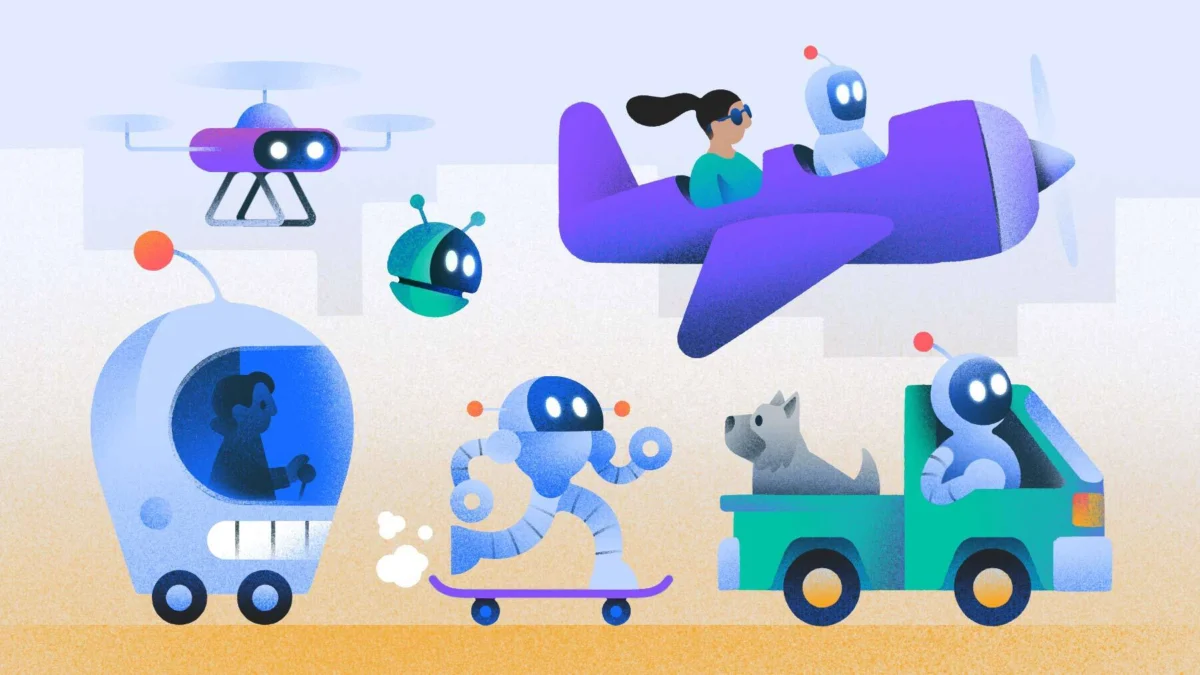
The highly anticipated initial public offering (IPO) of Anthropic, a leading artificial intelligence research company, has officially been filed, potentially igniting a new phase for AI investment. The 335-page prospectus offers a detailed look into Anthropic’s vision for AI, presenting a multifaceted narrative that has evolved over years of strategic communication. The company has skillfully positioned itself as an AI safety advocate, a profit-driven entity, and a harbinger of superhuman technology, creating significant internal tensions. The IPO’s success or failure could profoundly shape the trajectory of the broader AI investment landscape, determining whether the market embraces Anthropic’s ambitious claims or scrutinizes its complex identity. This pivotal moment invites a deeper examination of the company’s true identity behind its carefully crafted public image.
In parallel, the critical infrastructure powering our modern world is poised for a significant upgrade. Traditional transformers, essential for efficient long-distance electricity transmission, are facing a bottleneck. Their century-old design, coupled with supply chain constraints, poses a challenge as demand surges from electric vehicles, data centers, and other energy-intensive technologies. Researchers and industry leaders are actively developing solid-state transformers, a modernized alternative that promises to alleviate supply concerns and minimize power losses. This technological leap could be instrumental in building a more robust and responsive power grid, capable of meeting the escalating energy demands of the AI boom and beyond.
Furthermore, the age-old pursuit of optimizing human health is taking a novel turn with the burgeoning research into "exercise pills." The profound benefits of physical activity—muscle and bone strength, cardiovascular health, and mood enhancement—are well-established. By delving into the intricate biological mechanisms that govern these effects, scientists are exploring the development of pharmacological interventions that could deliver some of exercise’s advantages without the physical exertion. This endeavor is not intended to replace traditional exercise but rather to offer a supplementary path for individuals facing limitations due to frailty, disability, or chronic illness, potentially democratizing access to the positive outcomes of physical fitness.
The broader technological ecosystem is buzzing with activity, as evidenced by a curated selection of significant developments:
Anthropic’s IPO and the AI Investment Landscape:
Anthropic’s IPO filing is sending ripples through the tech industry, with many speculating that its performance will serve as a crucial barometer for the future of AI investment. The prospectus itself is a testament to the company’s bold ambitions, but it also highlights significant risks. These include warnings of catastrophic AI risks and the immense computational resources required for development, as well as disclosures of past safety failures and a month-long training pause. Financial disclosures reveal soaring revenues juxtaposed with substantial losses, painting a complex picture of the company’s financial health. Notably, Anthropic’s founders are set to retain voting control post-IPO, underscoring their commitment to steering the company’s future direction.
The Ascendancy of Solar Power:
Solar energy is steadily surpassing nuclear power as a dominant global energy source, driven by the decreasing costs of solar panels and battery storage. This trend is accelerating the transition to renewable energy worldwide. The burgeoning popularity of balcony solar installations is also making its way to the United States, offering decentralized energy generation solutions for urban environments.
OpenAI’s Scientific Breakthroughs:
OpenAI has announced three significant scientific discoveries spanning mathematics, computer science, and physics. To facilitate the dissemination of these breakthroughs, the company is enlisting expert "shepherds" to guide their publication, aiming to bring a more structured approach to sharing its advancements.
Microsoft’s Strategic AI Investment and Workforce Adjustments:
In response to escalating AI development costs, Microsoft is reportedly offering buyouts to a substantial portion of its workforce, potentially impacting around 60,000 employees. This move comes as the tech giant plans an ambitious $190 billion investment in AI initiatives this year, signaling a significant strategic pivot.

The Enduring Problem of Microplastics:
Decades-old industry documents have revealed that the plastics industry was aware of the potential for microplastics to enter the human body as far back as 1974. This revelation casts a long shadow over the industry’s past practices and raises concerns about long-term environmental and health impacts.
Space-Based Lighting Demonstrations Raise Concerns:
A recent demonstration by startup Reflect Orbital, which used space mirrors to illuminate Earth from orbit, has ignited alarm among various stakeholders. While showcasing the potential for novel lighting applications, this technology also poses risks to the integrity of the night sky, prompting calls for careful consideration and regulation.
Helium Designated a Critical Material:
The United States has officially designated helium as a critical material, recognizing its indispensable role in semiconductor manufacturing and other vital industries. This designation underscores the strategic importance of securing reliable helium supplies.
Boston Dynamics Employees Protest ICE Deal:
A significant number of Boston Dynamics employees have voiced their opposition to the company’s deal to sell its robot dogs to Immigration and Customs Enforcement (ICE). Protesters are calling for a halt to these sales, citing ethical concerns regarding the use of robotic technology in law enforcement.
Advancements in Age-Related Infertility Treatments:
Two promising startups are making strides in developing treatments for age-related infertility. Their focus is on reducing chromosome errors in eggs, offering new hope for individuals facing challenges with conception due to age. This development is part of a broader trend of technological innovation transforming reproductive medicine.
Grok Acknowledges Limitations in AI-Generated "Odyssey":
Grok, Elon Musk’s AI chatbot, has admitted that its AI-generated version of Homer’s "Odyssey" is "not historically accurate," acknowledging the limitations of its creative endeavors and the challenges of film production.
Quote of the Day:
"It’s as if they’re making a promise and crossing their fingers behind their backs." These words from Kate Brennan, policy lead at the AI Now Institute, spoken to The New York Times, highlight the skepticism surrounding the voluntary safety pledges made by AI executives, which are often viewed as lacking concrete enforceability.
One More Thing: Rethinking the "Inner Neanderthal" Theory:
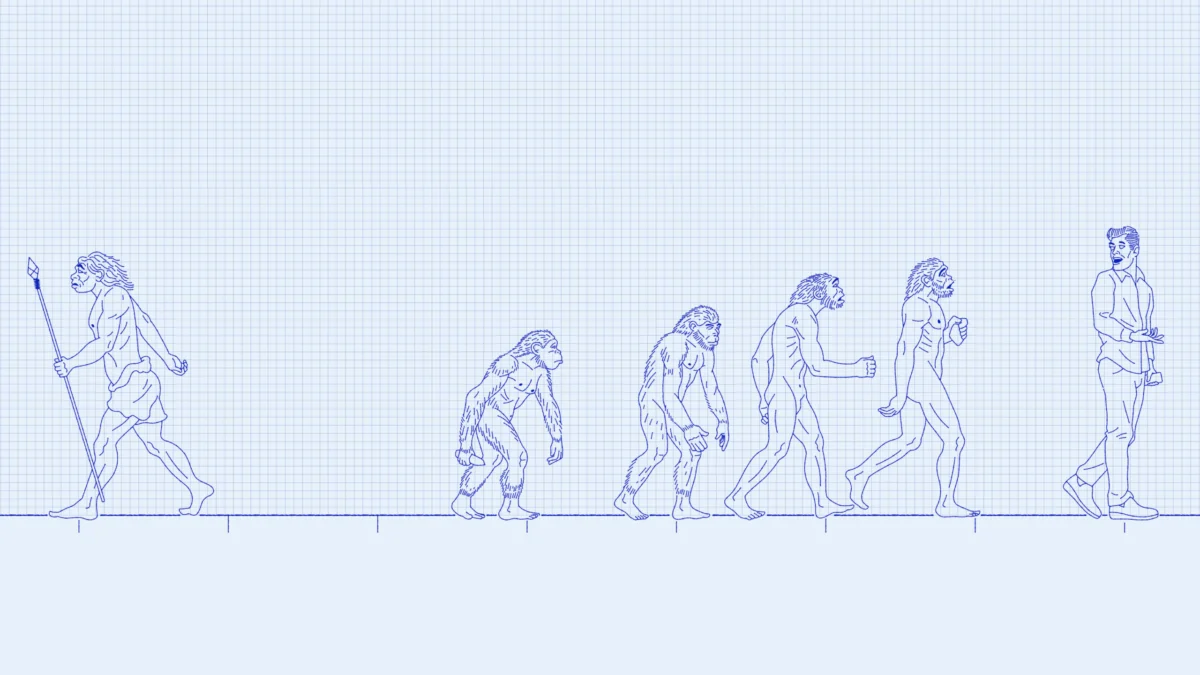
A prevalent theory suggests that many individuals possess an "inner Neanderthal" due to ancient interbreeding between Homo sapiens and Neanderthals. However, recent research from French geneticists has challenged the foundational evidence for this theory. They propose that what was once interpreted as interbreeding could be more accurately explained by population structure—the natural genetic clustering within smaller, isolated groups—rather than direct genetic mixing. This re-evaluation prompts a deeper understanding of human evolutionary history and genetic diversity.