Faris Adani
Shutterstock / kowalskichal
Data Center Operator Slapped With $1 Million Fine for Belching Noxious Gas Into Surrounding Community
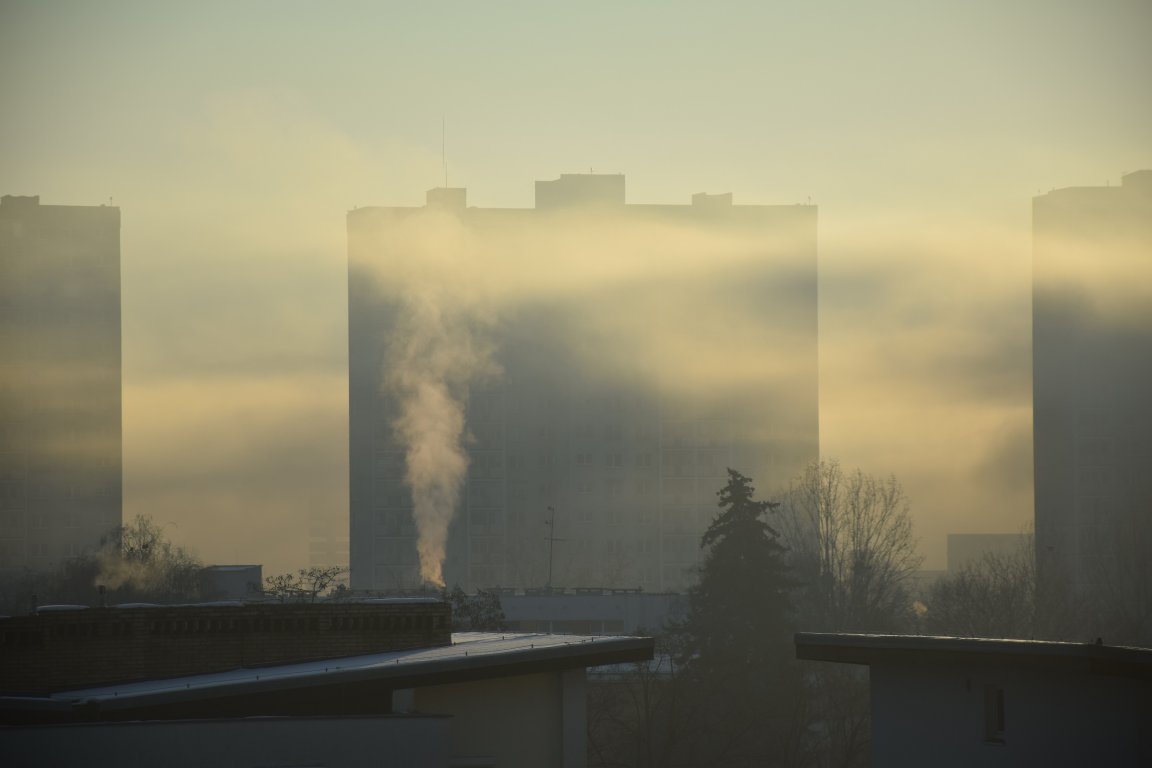
In a significant blow to a burgeoning sector already facing intense scrutiny, a data center operator in southern New Jersey, DataOne, has been hit with a hefty $1 million fine by the New Jersey Department of Environmental Protection (NJDEP). The unprecedented penalty comes after inspectors uncovered the illegal operation of 62 gas-powered generators, which had been spewing noxious smog into the residential neighborhoods of Vineland, New Jersey, without proper state approval. This landmark enforcement action underscores the escalating tensions between the tech industry’s insatiable demand for data processing power, particularly fueled by the artificial intelligence (AI) boom, and the environmental and public health concerns of local communities. The incident at DataOne serves as a stark reminder of the hidden environmental costs associated with the digital infrastructure that underpins our modern world, spotlighting a growing trend where energy-hungry facilities resort to illicit means to meet their immense power requirements, often at the expense of air quality and community well-being.
The saga in Vineland is not an isolated incident but rather a microcosm of a much larger conflict unfolding across the United States. As companies race to build the computational backbone for AI, machine learning, and vast cloud services, the physical footprint of these data centers expands exponentially. This expansion often triggers fierce local opposition, with grassroots organizers nationwide challenging new construction projects and threatening billions of dollars in investments. While these community efforts don’t always succeed in preventing construction, and it’s notoriously difficult to dislodge a data center once established, the DataOne case demonstrates that the battle for accountability continues long after the groundbreaking ceremony. The NJDEP’s decisive action against DataOne signals a new era of regulatory vigilance, where the environmental impact of these digital behemoths can no longer be overlooked or circumvented.
According to reports from Gothamist, the discovery of the illegally operated generators at the Vineland facility exposed a critical vulnerability in the oversight of these massive energy consumers. Data centers, by their very nature, require an uninterrupted and substantial power supply to cool thousands of servers and maintain continuous operation. As public power grids in many regions struggle to meet this surging demand, some operators are increasingly turning to on-site power generation. However, this shift comes with stringent environmental regulations designed to protect air quality and public health. DataOne’s decision to deploy 62 gas generators without securing the necessary state permits was a blatant disregard for these regulations, transforming what should have been a high-tech facility into a significant local polluter.
NJDEP Commissioner Ed Potosnak minced no words in his statement regarding the fine, emphasizing its historical significance. “This enforcement action – by far the largest ever taken against a data center in New Jersey and possibly one of the largest such actions in the nation – sends a clear message that these facilities will not be constructed or operated with impunity in this state,” Potosnak declared. This strong language reflects the department’s commitment to upholding environmental standards and serves as a powerful deterrent to other operators who might consider similar shortcuts. The fine is not just a monetary penalty; it’s a declaration that environmental compliance is non-negotiable, even for industries deemed critical to technological advancement.
For the residents of Vineland, the enforcement action was a hard-won victory, the culmination of months of persistent advocacy and pressure on state and local politicians. Communities often bear the brunt of industrial development, facing increased traffic, noise pollution, and, most critically in this case, compromised air quality. Matt Williams, a Vineland resident, articulated the community’s sentiment: “Residents in Vineland have been pointing out the bad behavior of this data center. So I’d be lying to say if I were surprised.” This statement highlights the critical role of local engagement in environmental protection. Without the vigilant eyes and voices of the community, such violations might have continued unchecked, perpetuating a cycle of environmental degradation.
The DataOne facility, a colossal $17 billion investment, commenced construction in early 2025 with significant funding from tech giant Microsoft. Upon full activation, the center is projected to consume an staggering 350 megawatts of power. To put this into perspective, 350 megawatts could power hundreds of thousands of homes, underscoring the immense energy footprint of modern data infrastructure. The Sierra Club New Jersey accurately described it as “one of the largest data centers in the entire Northeast region.” This scale of energy demand, combined with the discovered illegal generators, raises serious questions about the long-term sustainability of such operations and the broader environmental strategy of the tech companies backing them. The situation is further exacerbated by the fact that the city of Vineland had granted DataOne a five-year tax exemption, a common incentive offered to attract large businesses, but one that can feel like “adding insult to injury” when environmental harms emerge.
The reliance on gas-powered generators, even for backup or supplementary power, is problematic for several reasons. Burning natural gas releases a cocktail of pollutants, including nitrogen oxides (NOx), sulfur dioxide (SO2), particulate matter (PM2.5), and volatile organic compounds (VOCs). These emissions contribute to smog formation, acid rain, and can have severe health consequences, ranging from respiratory illnesses like asthma and bronchitis to cardiovascular problems and even premature death, particularly for vulnerable populations such as children and the elderly. The sheer number of generators (62) operating without proper controls suggests a significant and sustained output of these harmful substances into the Vineland atmosphere, directly impacting the health and quality of life for those living nearby.
The DataOne case brings into sharp focus the broader environmental impact of the rapidly expanding data center industry. Beyond the immediate issue of air pollution from illegal generators, data centers are notorious for their colossal water consumption. They require massive amounts of water for cooling their heat-generating servers, often drawing from local municipal supplies or even natural bodies of water. This can strain water resources, especially in regions already facing drought or water scarcity. Furthermore, the lifecycle of IT equipment generates substantial electronic waste (e-waste), and the construction of these sprawling facilities often involves significant land use, sometimes encroaching on agricultural land or sensitive ecological habitats. The previous reporting by Futurism, highlighting “Data Centers Are Causing a Huge Surge in Incredibly Toxic Chemicals Polluting the World,” points to even more insidious environmental threats, such as the use and potential leakage of per- and polyfluoroalkyl substances (PFAS) in cooling systems and fire suppression, chemicals known for their persistence and toxicity in the environment.
The involvement of a tech giant like Microsoft, even as a funding partner, raises questions about corporate responsibility. While companies often tout their commitment to sustainability and carbon neutrality, the environmental practices of their infrastructure providers and partners must also be rigorously scrutinized. The “greenwashing” critique often leveled against large corporations gains traction when projects they support are found to be in violation of basic environmental protections. There is an urgent need for greater transparency and accountability across the entire supply chain of digital infrastructure, ensuring that environmental pledges extend beyond public relations statements to tangible, on-the-ground compliance.
Ultimately, the DataOne fine is more than just a penalty; it’s a powerful precedent. It demonstrates that sustained pressure from residents, environmental groups like the Sierra Club, and responsive regulatory bodies can indeed hold powerful developers and their corporate backers accountable. The outcome in Vineland should serve as a blueprint for other communities facing similar challenges, illustrating what is possible when citizens remain engaged and demand adherence to environmental laws, even long after the initial development agreements have been signed. As the AI revolution continues to accelerate, the demand for data centers will only intensify. This makes the lessons learned from DataOne — the importance of robust regulatory oversight, transparent operations, and unwavering community advocacy — more critical than ever. Balancing technological progress with environmental stewardship and the well-being of local populations is not merely an ideal; it is an imperative for a sustainable future.