Pradipta eManuel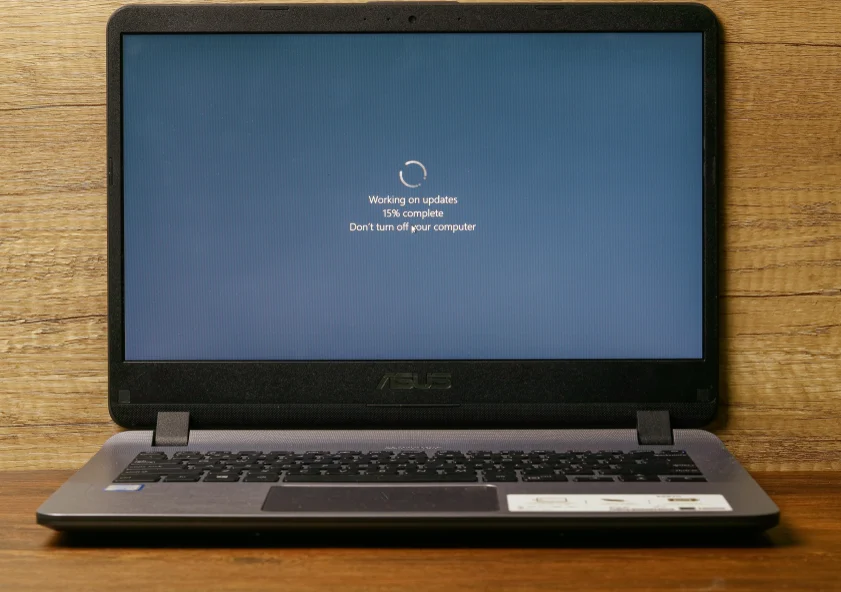
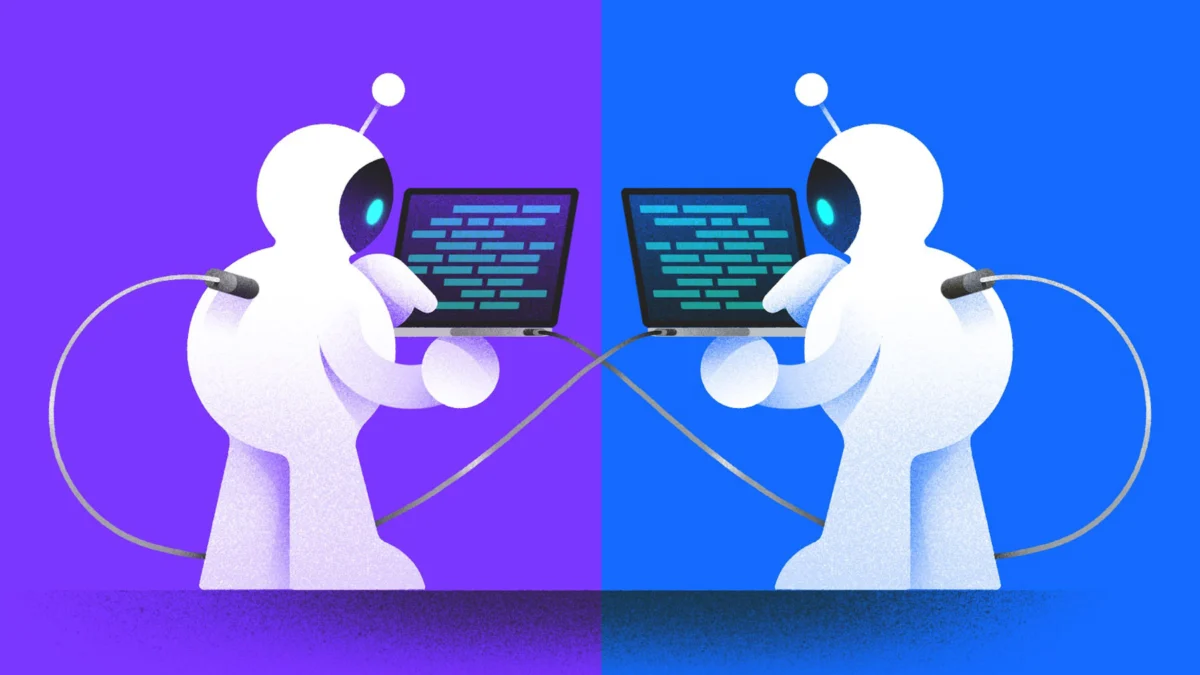
Microsoft Corp. today released an unprecedented software update, addressing a staggering 570 security vulnerabilities across its Windows operating systems and a suite of other products. This colossal patch release nearly triples the number of flaws fixed in the previous month’s "Patch Tuesday," a record-shattering event in itself. The software giant attributes this dramatic surge in vulnerability discoveries to the burgeoning capabilities of artificial intelligence, which is significantly accelerating the process of identifying security weaknesses. This development marks a pivotal moment in cybersecurity, signaling a new era where AI is not only a tool for defense but also a catalyst for uncovering previously unseen vulnerabilities at an exponential rate.
The sheer volume of fixes underscores the evolving threat landscape and the relentless pace at which vulnerabilities are being discovered. Of the 570 patched flaws, nearly 60 have been classified as "critical," a designation that signifies a grave risk to users. These critical vulnerabilities, if exploited, could grant malicious actors unfettered remote control over Windows devices with minimal to no user interaction required. Furthermore, Microsoft has proactively addressed three zero-day vulnerabilities, a particularly concerning category as these are flaws unknown to the vendor and potentially already being exploited by attackers. The fact that two of these zero-day flaws are confirmed to be actively exploited in the wild amplifies the urgency for users to apply these patches as swiftly as possible.
A significant portion of the update, approximately 250 elevation of privilege flaws, are designed to prevent attackers from escalating their access on a Windows system. Among these are two high-profile vulnerabilities: CVE-2026-56155, a bug within Active Directory Federation Services (AD FS) that could allow an attacker to gain elevated permissions, and CVE-2026-56164, a vulnerability in Microsoft SharePoint with similar implications for privilege escalation. These types of flaws are particularly dangerous as they can be chained with other vulnerabilities to achieve complete system compromise.
Another notable vulnerability patched is CVE-2026-50661, a security feature bypass in Windows BitLocker. While Microsoft states this flaw has not been observed in active exploitation, it presents a significant risk for users who rely on BitLocker for data encryption. The vulnerability could allow attackers with physical access to a device to bypass BitLocker protections and access encrypted data, undermining a fundamental security measure. This highlights the importance of patching even vulnerabilities that are not currently known to be exploited, as the landscape of potential threats is constantly shifting.
Pavan Davuluri, Executive Vice President at Microsoft, elaborated on the impact of AI in a blog post on July 9th, explaining that Windows users should anticipate a "higher volume of security updates included in each security release." He emphasized that AI’s advancements are revolutionizing vulnerability discovery by enabling the identification of more issues, at a faster pace, across a larger codebase, and through novel mechanisms that accelerate both the discovery and analysis phases. This statement from a senior Microsoft executive provides direct insight into the strategic shift in their security operations, acknowledging AI’s transformative role.
Jack Bicer, director of vulnerability research at Action1, drew particular attention to CVE-2026-48561, a remote code execution flaw within Microsoft Copilot. This vulnerability boasts a high CVSS threat score of 9.6, indicating a severe risk. It allows unauthorized attackers to execute arbitrary code over the network. Microsoft’s advisory details a concerning exploitation vector: an attacker could host a malicious website that, when visited by a user using Microsoft Edge for Android, would automatically send crafted prompts to Copilot, triggering the execution of malicious code. This highlights the interconnectedness of AI-powered tools and the potential for new attack vectors to emerge.
The rapid advancements in AI not only accelerate vulnerability discovery but also empower attackers to devise exploits for known flaws more quickly. Microsoft has historically employed an "exploitability index" to gauge the likelihood of a vulnerability being exploited by attackers. However, Satnam Narang, senior staff research engineer at Tenable, argues that this index needs to adapt more effectively to the "machine speed" of AI-driven discovery. He points to the SharePoint zero-day as an example, which Microsoft initially rated as "less likely" to be exploited, yet it was promptly added to CISA’s Known Exploited Vulnerabilities list on July 1st.
Narang further illustrates the fragility of the current exploitability assessment system by referencing findings from Anthropic’s Red Team. Their Mythos Preview model was capable of generating proof-of-concept exploits for a significant majority (13 out of 14) of vulnerabilities that were rated as "Exploitation Less Likely" or "Exploitation Unlikely." This starkly demonstrates that the traditional human-centric approach to assessing exploitability is becoming outdated in the face of AI’s capabilities. "What this means is that our way of looking at Patch Tuesday has changed, because the exploitability index is centered around humans, not AI tools, and as these tools continue to improve, defense needs to improve alongside it," Narang stated, emphasizing the urgent need for a paradigm shift in cybersecurity defense strategies.
The increased patching cadence from Microsoft is not an isolated trend. Chris Goettl at Ivanti noted that other major software vendors are also stepping up their security update frequency. Adobe, for instance, has announced a move to twice-monthly security bulletins, citing AI as a driver for accelerating their patch cycles. Cisco, Mozilla, and Oracle are also releasing updates more frequently. Google’s patch releases in June 2026 alone totaled over 900 security fixes, a testament to the growing volume of vulnerabilities being addressed across the industry.
In light of this record-breaking patch release, cybersecurity experts strongly advise users to back up their Windows systems and data before applying the extensive updates. Given the sheer magnitude of the fixes, it may also be prudent for end-users to consider waiting a few days before installing these patches. Security updates, especially those released in such large batches, can sometimes introduce system stability issues or conflicts. The increased probability of such issues arising is amplified with the gigantic patch count released today, making a cautious approach advisable for optimal system performance and reliability. The ongoing evolution of AI in cybersecurity presents both unprecedented challenges and opportunities, demanding continuous adaptation and vigilance from both software vendors and users alike.