Pradipta eManuel
Microsoft has unleashed a torrent of security updates, addressing a staggering 398 vulnerabilities across its Windows operating systems and supported software. This substantial release, while not surpassing last month’s record-breaking patch cycle of over 570 fixes, more than doubles June’s then-record batch of nearly 200. The surge in vulnerability discoveries is largely attributed to advancements in artificial intelligence, a trend that experts predict will solidify "Patch Tuesdays" as a monthly deluge of hundreds of newly identified security flaws. Of the 398 vulnerabilities patched, a significant 42 have been classified as "critical," meaning they pose a severe risk, potentially allowing attackers to gain remote control of a Windows computer with minimal user interaction.
The most critical flaw, a "zero-day" vulnerability identified as CVE-2026-68820, is already being actively exploited. This privilege escalation weakness resides in a core Windows component known as afd.sys, described by security firm Automox as the "driver behind Windows socket connections on effectively every endpoint." Landon Miles of Automox explained that this isn’t a direct entry point but rather a second-stage exploit. An attacker would first gain a low-privilege foothold through methods like phishing, then leverage the afd.sys flaw to compromise the system. While the vulnerability carries a high attack complexity due to the precise timing required for exploitation, the fact that it’s being actively used underscores its potent threat.
Another vulnerability flagged for likely exploitation is CVE-2026-62832, a privilege escalation flaw within the Windows User Profile Service. This may be linked to the recent public disclosure of the "LegacyHive" vulnerability by the renowned bug hunter Nightmare Eclipse. A third publicly disclosed vulnerability, CVE-2026-72971, is a local tampering vulnerability deemed to have low impact and an unlikely exploitation profile by Microsoft.
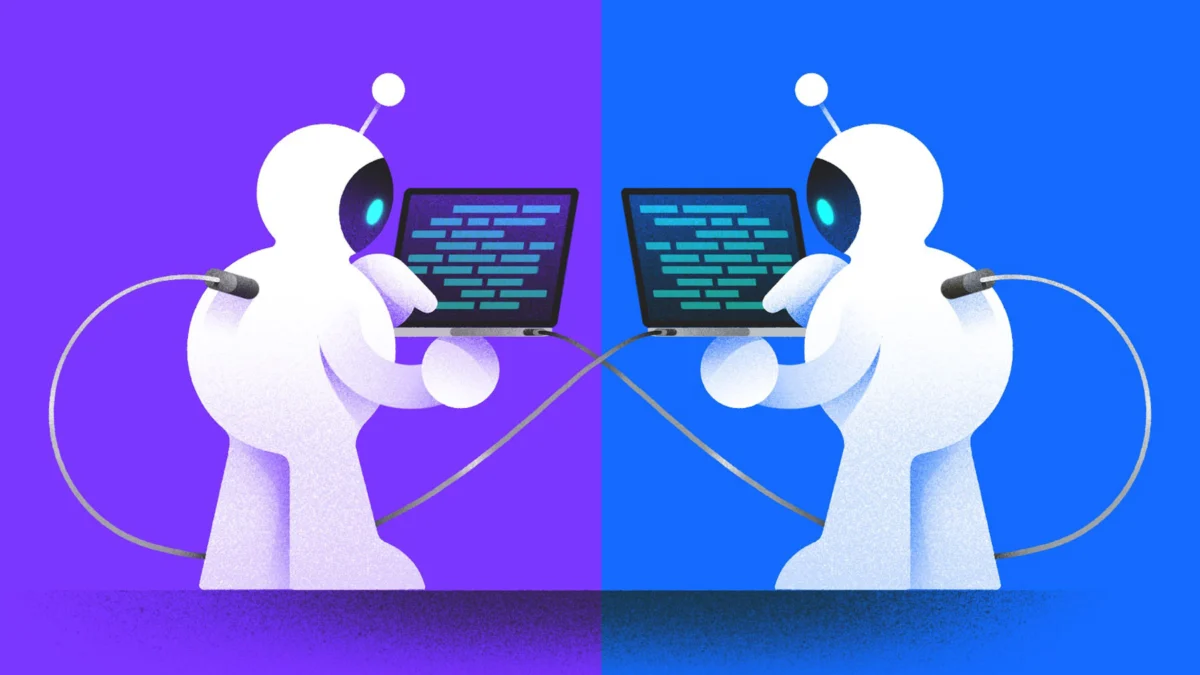
The trend of increased patch volume isn’t exclusive to Microsoft. Other major software vendors, including Adobe, Cisco, Google, Mozilla, and Oracle, are also accelerating their patch cadences, a shift driven by AI’s prowess in discovering security weaknesses. Adobe, for instance, has moved to twice-monthly security bulletins. While AI is proving exceptionally adept at uncovering vulnerabilities, the process of rectifying them remains a human-centric endeavor. The effectiveness of AI in generating secure and reliable patches is still under scrutiny.
Research from 1Password highlights this challenge, revealing that AI-generated patches for complex vulnerabilities failed to fix the original flaw or introduced new weaknesses in over half of their examined cases. Ed Skoudis, president of the SANS Technology Institute, concurs, emphasizing that while AI is rapidly improving at finding vulnerabilities, fixing them is a distinct and more complex problem. He advises against relying on "one-shot AI patching" and instead advocates for an iterative approach involving human oversight for testing, refinement, and verification. AI can be a powerful patching partner, but currently, skilled human intervention is indispensable.
Tyler Reguly at Fortra advises organizations not to be pressured into rushing the deployment of these extensive patch bundles. He reminds security leaders that only one of the nearly 400 vulnerabilities addressed in this release is known to be actively exploited. Reguly suggests that security teams assess their workflows to manage the increased patching workload, which often involves thorough testing of fixes before deployment in production environments. He encourages CISOs to engage with their teams to understand how they are adapting their processes and to provide the necessary support for implementing changes. His key message is to prioritize the rollout of safe updates that won’t negatively impact systems, rather than succumbing to vendor or organizational pressure to patch immediately.
Before applying this month’s substantial patch load, users are strongly advised to back up their systems and data. While the day after Patch Tuesday is sometimes humorously dubbed "Reboot Wednesday," it’s often prudent to wait a few days to deploy these large update bundles. This allows time for any potential issues or "misbehaving" patches to be identified and rectified by Microsoft. For a detailed breakdown of each patch, categorized by severity and urgency, the SANS Internet Storm Center offers a comprehensive roundup. The proliferation of AI in vulnerability discovery is undoubtedly reshaping the cybersecurity landscape, presenting both opportunities and challenges in the ongoing battle to secure digital systems. The critical question remains how effectively humans and AI can collaborate to not only find but also reliably fix the ever-growing number of vulnerabilities being uncovered.