Imroatul Nasiyah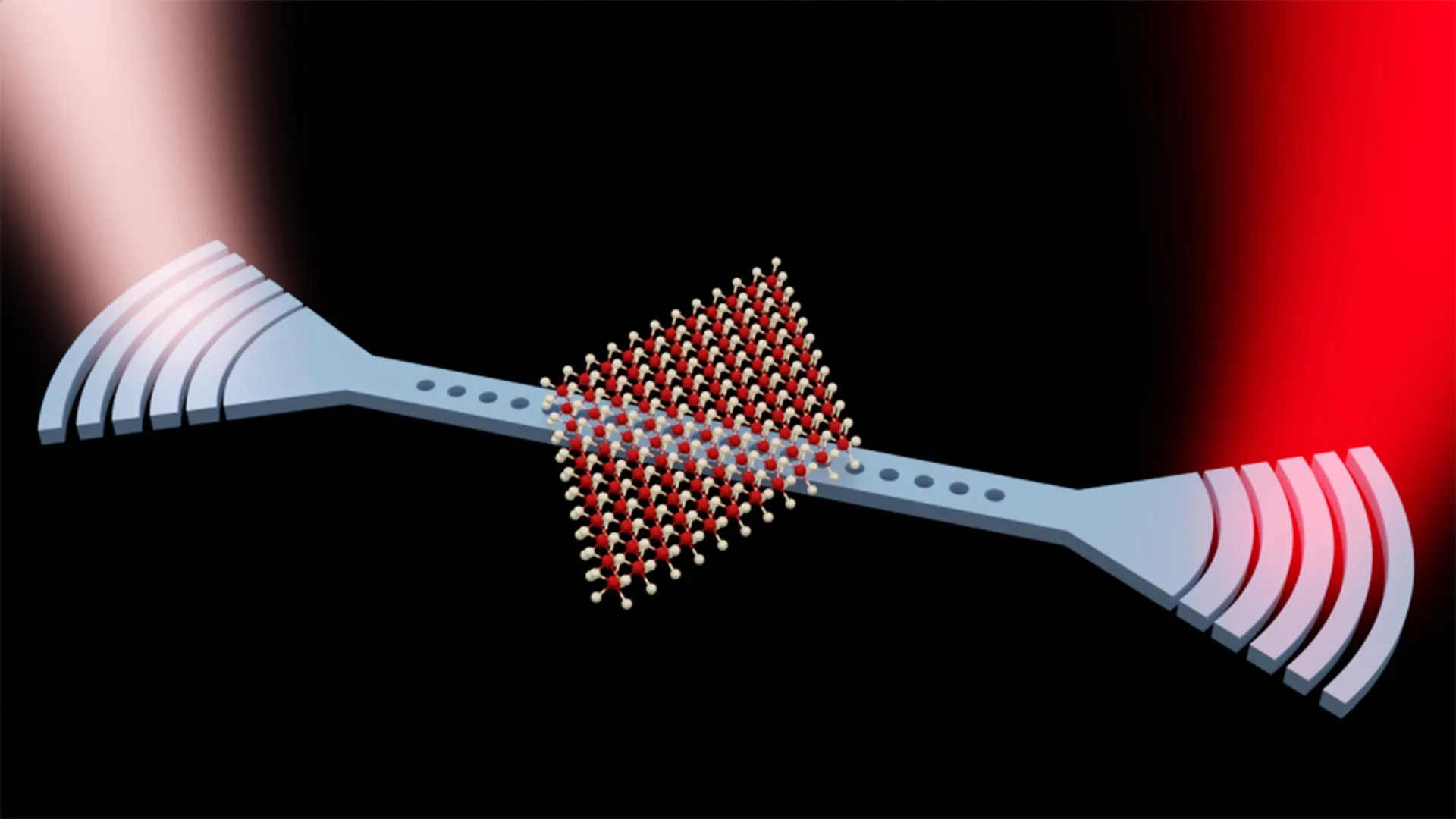
The genesis of modern computing can be traced back to the groundbreaking ENIAC, a colossal machine developed by Penn researchers J. Presper Eckert and John Mauchly. ENIAC, a testament to the ingenuity of its creators, revolutionized complex mathematical problem-solving by meticulously orchestrating streams of electrons. This foundational principle of electron-based computation has remained remarkably persistent, forming the bedrock of virtually every digital device we use today, from the smartphones in our pockets to the powerful servers that underpin artificial intelligence systems. However, as the insatiable demands of artificial intelligence continue to escalate, the inherent limitations of electron-based hardware are becoming increasingly apparent and difficult to surmount.
The Inherent Challenges of Electron-Centric Computing
The very nature of electrons, their possession of an electrical charge, presents a cascade of challenges within the intricate architecture of modern computer chips. As these charged particles traverse the conductive pathways of semiconductor materials, they inevitably encounter resistance. This resistance, a fundamental consequence of their charged nature, leads to the generation of heat, a pervasive enemy of computational efficiency. Furthermore, this energy dissipation represents a significant waste of power, a concern that grows exponentially with the increasing complexity and data throughput of contemporary computing systems. The relentless pursuit of smaller, faster, and more powerful processors, particularly those designed to handle the colossal datasets and intricate algorithms of artificial intelligence, exacerbates these issues, pushing the boundaries of what is physically and energetically feasible with electron-based technologies. The more data we process, the more heat we generate, and the more energy we consume, creating a self-defeating cycle that threatens to stall future advancements.
It is within this context of escalating limitations that researchers, led by the visionary physicist Bo Zhen in the School of Arts & Sciences at the University of Pennsylvania, have turned their attention to the realm of light. They believe that photons, the elementary particles that constitute light, offer a compelling alternative and a potential solution to some of these deeply entrenched challenges.
Li He, a co-first author of a seminal paper published in the prestigious journal Physical Review Letters and a former postdoctoral researcher in the Zhen Lab, elaborates on the advantages of photons: "Because they are charge-neutral and have zero rest mass, photons can carry information quickly over long distances with minimal loss, dominating communications technology." This inherent characteristic makes light an ideal medium for transmitting vast amounts of data with exceptional speed and minimal degradation, a principle already exploited in fiber optic networks. However, He astutely points out the flip side of this advantage: "But that neutrality means they barely interact with their environment, making them bad at the sort of signal-switching logic that computers depend on." In essence, while light excels at the rapid and efficient transmission of information, its reluctance to interact makes it inherently ill-suited for the fundamental computational operations of signal switching that are the very essence of computing.
Forging a New Path: The Marriage of Light and Matter for Advanced AI Computing
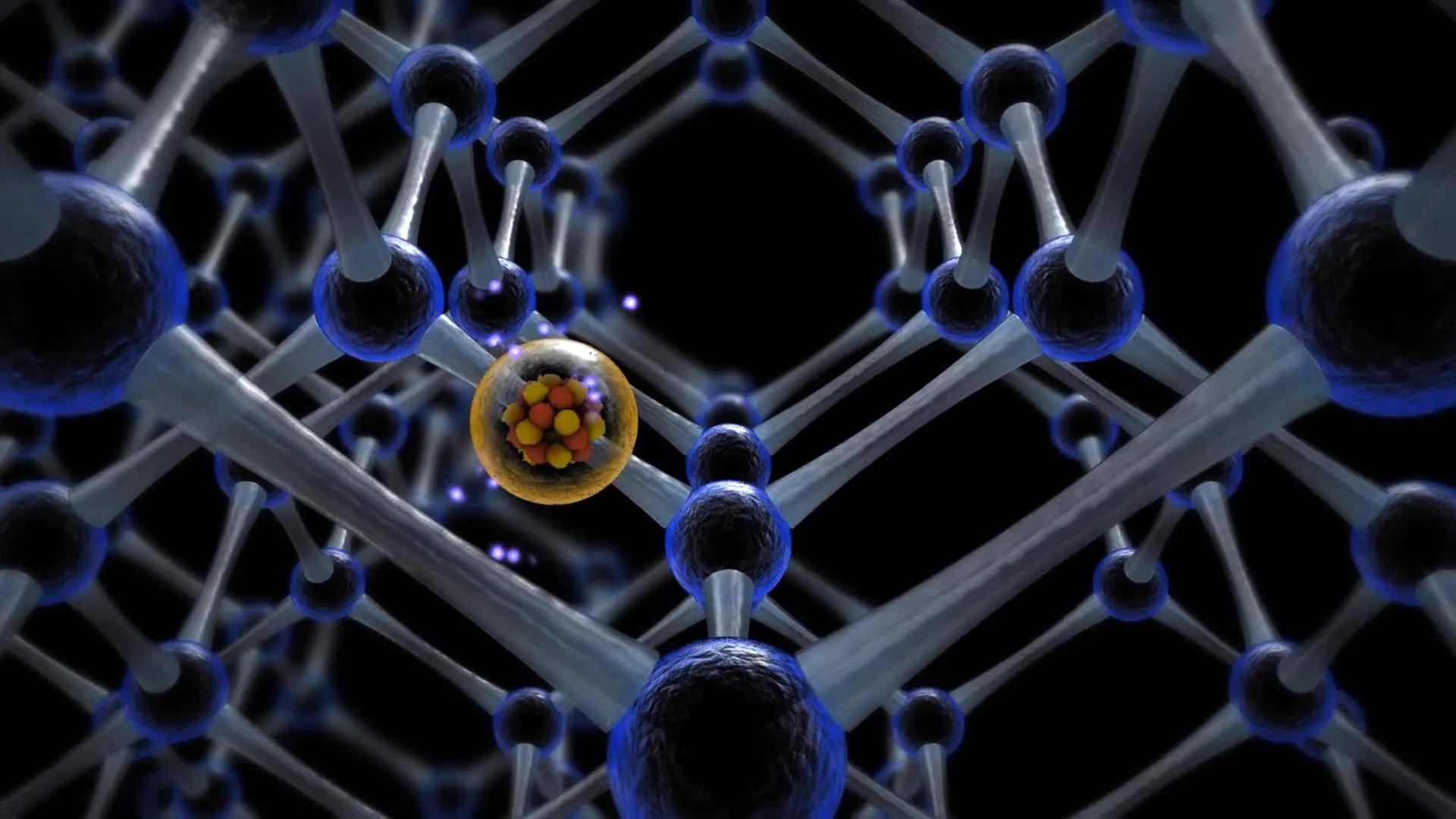
To bridge this critical gap and unlock the computational potential of light, Zhen’s team has engineered a novel quasiparticle, a phenomenon that transcends the simple behavior of its constituent parts. This groundbreaking entity is known as an exciton-polariton. The creation of an exciton-polariton is a sophisticated process that occurs when photons become strongly coupled and entangled with electrons within a specially designed, atomically thin semiconductor material. This intricate dance between light and matter imbues the exciton-polariton with a remarkable dual nature. It inherits the speed and efficiency of photons for information transport while gaining the crucial ability to interact with its environment, thereby enabling the signal-switching logic that has historically been the exclusive domain of electrons. This synergistic combination opens up a new frontier for computing, where the strengths of both light and matter are harnessed for unprecedented performance.
The implications of this breakthrough are particularly profound for the field of artificial intelligence. AI systems, in their current form, are notoriously power-hungry, consuming vast amounts of energy that strain power grids and contribute to environmental concerns. Many experimental photonic AI chips have already demonstrated the ability to leverage light for high-speed data processing and certain computational tasks. However, a significant bottleneck has persisted: whenever these systems require nonlinear activation steps, operations analogous to decision-making and pattern recognition, they are forced to convert the light signals back into electronic ones. This conversion process is not only time-consuming but also inherently inefficient, negating many of the speed and energy advantages that photonic computing promises.
The Penn researchers, by ingeniously employing exciton-polaritons, have achieved a remarkable feat: all-light switching. This means that the entire computational process, including the crucial nonlinear activation steps, can now be performed using only light, eliminating the need for energy-intensive conversions. The energy efficiency of this all-light switching is astonishing, requiring approximately 4 quadrillionths of a joule of energy per operation. To put this minuscule amount into perspective, it is vastly less energy than what is needed to briefly illuminate a tiny LED light. This level of energy efficiency represents a monumental leap forward in computational design.
Paving the Way for the Next Generation of AI Chips
Should this revolutionary exciton-polariton technology prove scalable, the future of computing hardware could be dramatically reshaped. Imagine photonic chips that can directly process information from visual sensors, such as cameras, without the constant, energy-draining cycles of converting light signals to electrical signals and back again. This would not only accelerate image and video processing but also significantly reduce the power consumption of these systems. Furthermore, the ability to perform these operations with such extreme energy efficiency holds the potential to dramatically lower the massive energy demands of large-scale AI deployments, making advanced AI more accessible and sustainable.
Beyond the immediate benefits for AI, this breakthrough also opens up intriguing possibilities for the nascent field of quantum computing. The precise control over light-matter interactions offered by exciton-polaritons could lay the groundwork for implementing basic quantum computing functions directly on future chips, potentially leading to more robust and integrated quantum computing architectures. The research, meticulously documented in Physical Review Letters, was made possible through the generous support of the US Office of Naval Research (under grant numbers N00014-20-1-2325 and N00014-21-1-2703) and the esteemed Sloan Foundation, underscoring the significant potential and recognition this pioneering work has already garnered within the scientific community.
The core team behind this transformative research includes Bo Zhen, the Jin K. Lee Presidential Associate Professor in the Department of Physics and Astronomy in the School of Arts & Sciences at the University of Pennsylvania, whose leadership and expertise have been instrumental. Li He, the former postdoctoral researcher in the Zhen Lab and now an assistant professor at Montana State University, played a crucial role in the experimental and theoretical development of the exciton-polaritons. Additional invaluable contributions to the study were made by Zhi Wang and Bumho Kim, also from the University of Pennsylvania’s School of Arts & Sciences, who further strengthened the research through their dedicated efforts. This collaborative spirit and multidisciplinary approach have been key to unlocking this exciting new chapter in the evolution of computing, moving beyond the limitations of electrons and towards a future powered by the elegant dance of light and matter.