isnaini azizah
The latest edition of MIT Technology Review’s "The Download" newsletter ushers in its special "Kids Issue," a timely exploration of the complex relationship between children and technology in an increasingly digital world, while also featuring a stark warning from tech titan Bill Gates about the escalating dangers of artificial intelligence. The newsletter highlights a growing societal unease with excessive screen time for youth, evidenced by global bans on social media for minors, a return to traditional learning methods in schools, and even a resurgence of vintage tech like the Sony Walkman among younger generations. Intriguingly, many individuals working within the tech industry itself are notably cautious about their own children’s exposure to digital devices and social platforms, a sentiment echoed by tech leaders like Mark Zuckerberg who keeps his children’s lives private on his own platforms.
Despite this pushback, the pervasive nature of technology makes complete avoidance impossible. The "Kids Issue" delves into how to equip children to not only survive but thrive in the world we’ve collectively created. Collaborating with "Anyway," a magazine for teens and tweens, this special issue examines young people’s perspectives on AI, the support systems aiding them through global crises, and the emotional impact of losing AI companions. It probes why children often learn faster than AI, the effectiveness of online monitoring apps, how schools can foster responsible AI integration, and the broader implications of technology reshaping childhood, including exclusive fiction from AI ethicist Jenny Williams. Collectively, these pieces aim to illuminate the evolving landscape of childhood in the AI era and offer guidance on navigating these changes.
Adding a significant dimension to the newsletter’s offerings is an in-depth interview with Bill Gates, who expresses profound concern over the rapid advancement of AI, suggesting that humanity has already surpassed critical danger thresholds. Gates, speaking from a scenic vantage point in Kirkland, Washington, articulates his alarm at the unchecked acceleration of AI capabilities in areas like bio-threats, cyber warfare, psychosocial manipulation, and job market disruption, lamenting the apparent lack of widespread public discourse and concern. "We’ve crossed the threshold in terms of [AI’s] bio-capabilities, cyber-capabilities, psychosocial capabilities, job-market-destruction capabilities, and even the lack of control," Gates stated, emphasizing his astonishment at the "lack of concern and discussion outside of the industry." He implores readers to consider the profound risks and potential actions needed to mitigate them, urging a more proactive approach to AI governance.

Beyond these lead stories, "The Download" curates a selection of the day’s most compelling technology news. This includes the Trump administration’s EPA proposing to exempt data centers from disclosing air pollution, a move met with criticism for potentially stifling oversight and public input, with related concerns also arising from Texas. In contrast, SpaceX is planning its largest launch site to date in Louisiana, aiming to support thousands of annual launches, though it’s simultaneously reducing launches from Florida. Meanwhile, China’s Z.AI has confirmed its role in the development of the highly successful AI model Ox Alpha, signaling China’s growing influence in the AI landscape, while also engaging in discussions with US tech giants.
The newsletter also reports on Meta potentially settling a landmark teen-addiction trial brought by 29 states, a case that could result in substantial penalties if it proceeds to trial. Huawei’s ambitions to build data centers in Egypt are raising alarms in the US, prompting a potential counteroffer. On the immigration front, Trump’s proposed increase in H-1B visa fees is poised to impact the tech industry and early-career researchers. Beijing is also expressing concerns about AI companions replacing human intimacy, leading to new regulations on chatbots to curb emotional dependence. In a surprising development, Israel is reportedly operating a "synthetic think tank" to influence AI search results, utilizing AI-generated content. On the scientific frontier, physicists are reportedly nearing a breakthrough in testing string theory, with a potential dark dimension becoming detectable within five years. Finally, AI-generated music has been banned from Australian charts following controversy over an AI-assisted cover of Madonna’s "Like a Prayer."
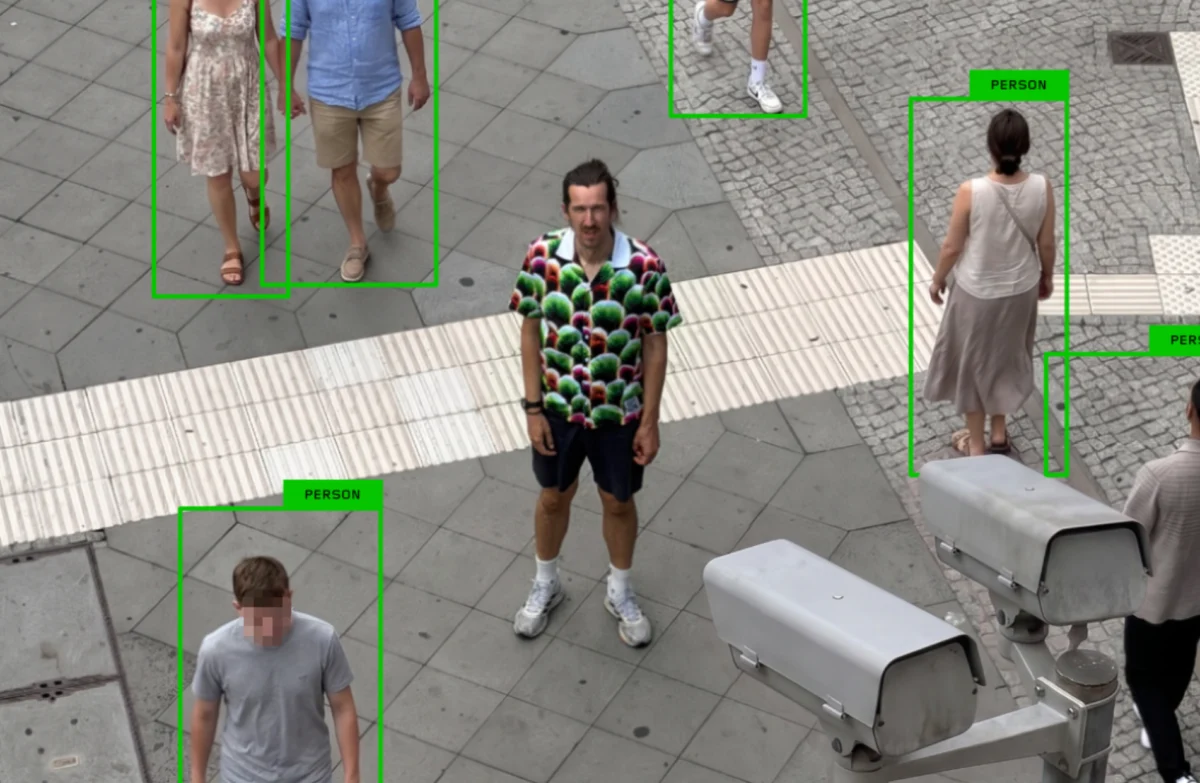
The "Quote of the Day" features Anthony Ralphs, an event producer who compared a surveillance firm to Darth Vader, highlighting concerns about the misuse of technology for nefarious purposes. The "One More Thing" segment delves into the unsettling reversal of opinion among scientists regarding "mirror life" – lab-created microbes with mirror-image components – who now fear it could trigger a catastrophic event for all life on Earth. The newsletter concludes with a "We can still have nice things" section, offering uplifting content such as a brainy piglet outsmarting dogs, a joyful lip-sync video, an apartment celebrating common technologies, and an essay on transforming cities for people over cars.