Faris Adani
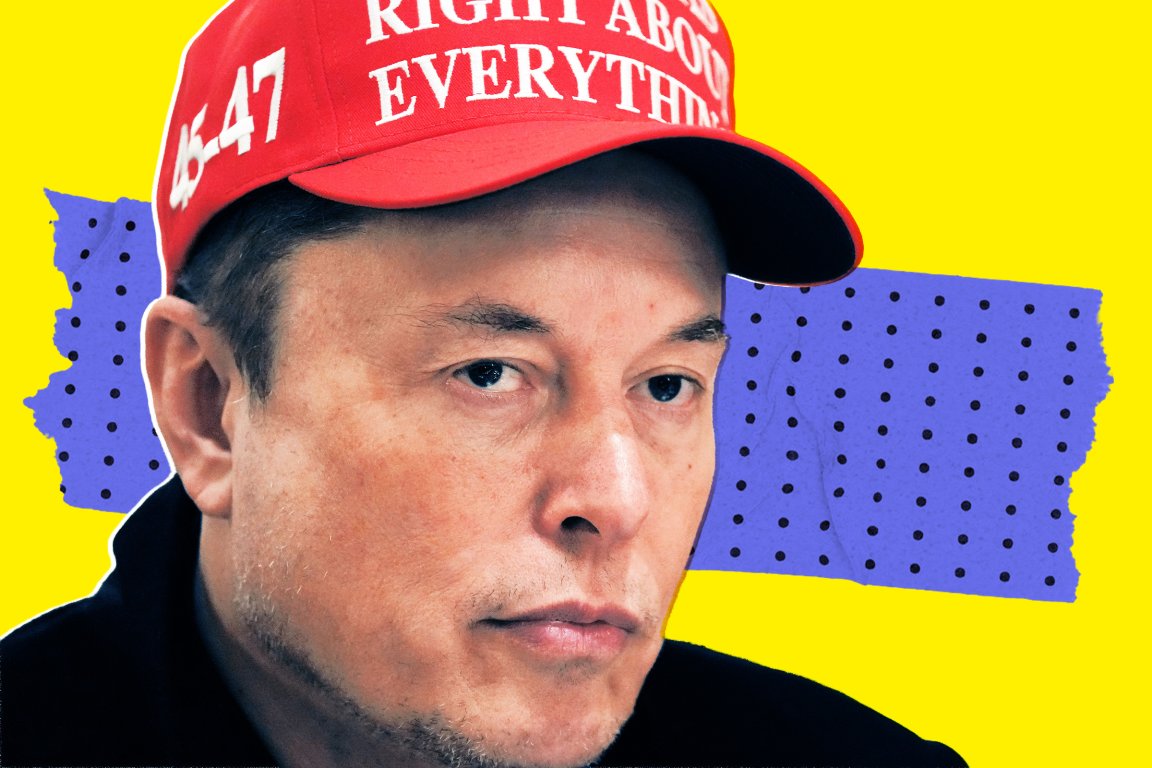
Illustrated by Tag Hartman-Simkins / Futurism. Source: Win McNamee / Getty Images; Shutterstock
Sign up to see the future, today
Can’t-miss innovations from the bleeding edge of science and tech
SpaceX Stock Plummets to All-Time Low of $115 Amidst Staggering Losses and Mounting Uncertainty.
Shares of Elon Musk’s pioneering space exploration company, SpaceX, are deep in a weeks-long freefall, having hit a new all-time low of approximately $115 by Wednesday afternoon. This dramatic downturn marks a significant and sobering chapter for a company once hailed as the vanguard of commercial spaceflight, now navigating the harsh realities of public market scrutiny and ambitious, yet often elusive, technical milestones. The sheer magnitude of the accumulating losses since the company’s hotly-anticipated initial public offering (IPO) just last month is nothing short of staggering, with SpaceX having seen over $1.1 trillion in market value evaporate since its brief ascent to an all-time high of $225 per share. Analysts and investors alike are bracing for further volatility, with many speculating that the current decline might only be the beginning of a prolonged period of adjustment.
The IPO itself was a watershed moment, eagerly awaited by institutional investors, retail traders, and private equity firms who had long clamored for a piece of the privately held space giant. For years, SpaceX had captivated the world with its audacious goals – reusable rockets, a global satellite internet constellation, and the ultimate dream of colonizing Mars. Its private valuation had soared, fueled by successful Falcon 9 launches, the growth of Starlink, and the cult of personality surrounding its CEO, Elon Musk. The public offering was expected to unleash a torrent of demand, pushing shares to unprecedented heights as investors sought to participate in what was widely believed to be the next trillion-dollar company. Indeed, initial trading saw a rapid surge, pushing the stock to $225, but that euphoria was short-lived, replaced by a brutal correction that has decimated portfolios and tested the resolve of even the most ardent believers. The $1.1 trillion wiped out is not merely a number; it represents a significant portion of the company’s perceived future value, comparable to the market capitalization of several major global economies or established tech behemoths combined.
Compounding the woes, the rocket company has provided investors with little tangible good news to cling to, apart from the ever-optimistic pronouncements from Musk himself, who continues to assert that SpaceX could one day be worth more than the entire Earth. While such visionary statements have historically galvanized support for his ventures, in the current climate, they appear increasingly detached from the company’s immediate financial and operational realities. Just this past Thursday, the company was forced to scrub a critical test flight of its colossal Starship spacecraft, a launch that had been meticulously prepared and heavily publicized. The reason for the scrub: multiple engines failed to ignite during the pre-launch sequence. This setback was not just a technical glitch; it served as a poignant metaphor for the company’s recent stock market performance, symbolizing the sputtering progress and unfulfilled promises that have plagued its public debut.
The Starship program, central to SpaceX’s long-term ambitions for lunar and Martian missions, as well as the deployment of its next-generation Starlink V2 satellites, has faced numerous development hurdles. Each test flight is a high-stakes event, scrutinized by regulators, competitors, and the public. A successful launch could inject much-needed confidence into the stock, demonstrating tangible progress towards its grander visions. Conversely, failures or even scrubs highlight the inherent risks and complexities of cutting-edge aerospace engineering, reminding investors that despite the hype, the technology remains experimental and prone to delays. The technical challenges associated with the Raptor engines, designed for unprecedented thrust and reusability, are immense, and perfecting their ignition sequence and operational reliability is critical for Starship’s future. Regulatory oversight from agencies like the FAA also adds layers of complexity, with each mishap potentially leading to extensive investigations and further launch delays.
Meanwhile, the precipitous decline has created a veritable feeding frenzy for short sellers, who are reportedly making billions by betting against the company. Short selling, a strategy where investors borrow shares to sell them, hoping to buy them back at a lower price and profit from the difference, thrives on such volatility. Given SpaceX’s lofty valuation, significant losses, and the inherent risks in its core business, it has become an attractive target for these bearish bets. The sheer volume of short interest adds substantial downward pressure on the stock, exacerbating the decline as these positions profit and potentially force further selling. Hedge funds and institutional traders specializing in distressed assets or overvalued growth stocks have been particularly active, viewing SpaceX’s current trajectory as a textbook case of a highly anticipated IPO that launched into an unsustainable valuation.
Looming large over SpaceX’s immediate future is the second quarter earnings call of Musk’s other flagship enterprise, the electric vehicle maker Tesla, scheduled for Wednesday evening. Tesla’s financial health has been a topic of intense discussion, with the company reportedly burning through cash at an alarming rate despite seeing significant jumps in sales and revenues. While Tesla continues to dominate the EV market, its profitability has increasingly relied on the future promise of technologies like Full Self-Driving (FSD) and the much-hyped Robotaxi service, which demand substantial capital investment. Analysts are meticulously tracking Tesla’s cash reserves and operational expenditures, knowing that any perceived weakness could impact investor sentiment across all of Musk’s ventures.
Adding another layer of complexity and speculation is the persistent rumor, now gaining serious traction, that Musk may fold Tesla into SpaceX. Such a merger would be an event of unprecedented proportions, creating a multi-trillion-dollar conglomerate spanning terrestrial automotive AI, advanced robotics, satellite communications, and deep space exploration. Tesla will undoubtedly face a barrage of questions about this possibility during its earnings call this week, as investors seek clarity on Musk’s long-term strategic vision.
Prominent tech analyst and longtime Tesla bull Dan Ives, from Wedbush Securities, recently fueled the speculation, stating in a widely circulated note, “I think there’s over 80 percent chance that Tesla and SpaceX get together in 2027. It’s the logical move from a data engineering perspective and Musk ownership. It makes too much sense for it not to happen.” Ives’s rationale hinges on the perceived synergies between the two companies: Tesla’s expertise in AI, autonomous systems, and advanced manufacturing could accelerate SpaceX’s robotic endeavors and Starship production, while SpaceX’s satellite network could provide global connectivity for future Tesla vehicles and autonomous services. Furthermore, combining the two under Musk’s singular leadership would consolidate his vast technological empire, potentially streamlining innovation and resource allocation, though it would also create an entity of immense complexity and regulatory challenge.
The level of uncertainty surrounding both companies is palpable. With Starship lining up for another launch attempt on Thursday, a successful flight could provide a desperately needed psychological boost. Roughly a week and a half later, SpaceX is expected to release its second quarter financials, a critical litmus test of the company’s operational efficiency and financial health. As noted by *Yahoo Finance*, investors will be particularly keen to understand the company’s spending on burgeoning AI products, potentially integrated with its xAI venture, and the growth trajectory of its Starlink internet satellite business. The scalability and profitability of Starlink are vital, as it represents one of SpaceX’s most immediate and substantial revenue streams.
However, what likely won’t change in the near term is the fundamental disconnect between the company’s historically lofty valuation and its current ability to generate consistent profits. SpaceX reported a staggering loss of almost $5 billion last year. This figure is further compounded by the substantial losses incurred by xAI, which was controversially folded into the company when SpaceX took over X (formerly Twitter), adding a further $6.4 billion to the combined deficit. These figures underscore the challenge of building a capital-intensive space company, even one with significant government and commercial contracts. While many high-growth tech companies operate at a loss for years, the scale of SpaceX’s expenditures and the experimental nature of its core projects present a unique risk profile. Investors are now grappling with how long the company can sustain such substantial losses before needing a clear path to profitability, or at least a significant reduction in its cash burn, to justify its still considerable market capitalization. The coming weeks will undoubtedly be pivotal for SpaceX, determining whether it can regain investor confidence or continue its descent into deeper financial turbulence.
More on SpaceX: SpaceX Is Learning a Nasty Lesson About Going Public When Your Main Product Is Experimental