Faris Adani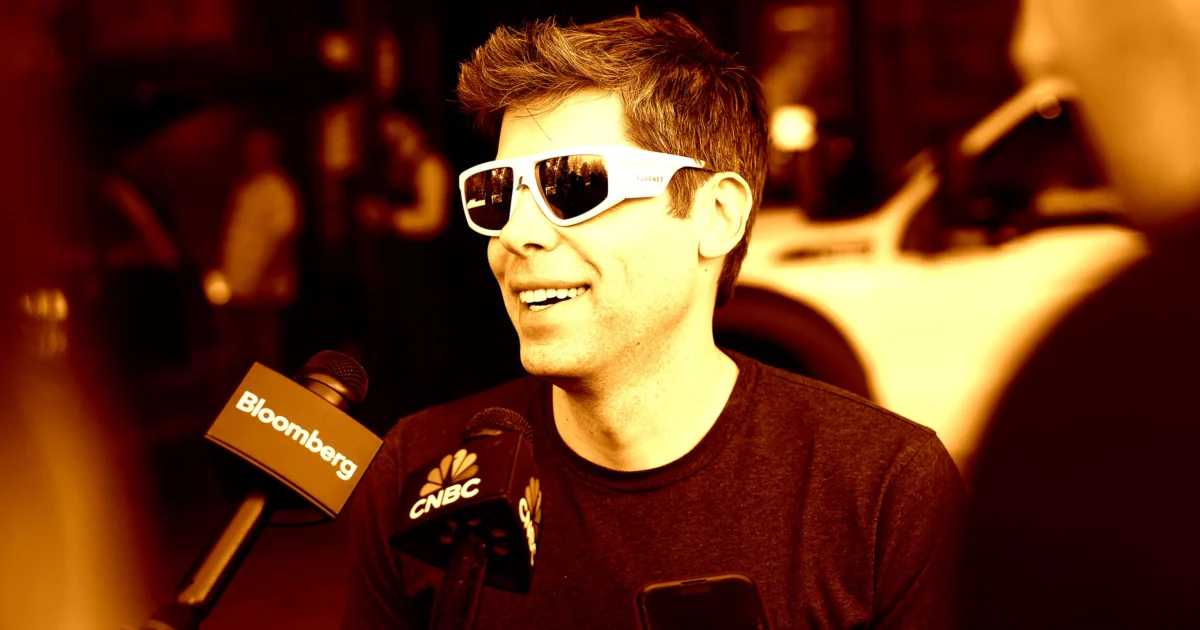
OpenAI CEO Sam Altman, a figure synonymous with the cutting edge of artificial intelligence, ignited a firestorm of controversy with a recent tweet that, while framed as gratitude, was widely interpreted as a celebratory pronouncement of AI’s ascendance and the impending redundancy of human programmers. His seemingly innocuous message, thanking those who "wrote extremely complex software character-by-character" and noting how "difficult it already feels to remember how much effort it really took," landed like a lead balloon in an industry grappling with unprecedented layoffs, often justified by the very AI advancements Altman champions. This public relations misstep comes at a critical juncture for OpenAI, as it navigates intense competition and internal pressures to dominate the enterprise AI market, particularly in coding solutions. The tweet, therefore, transcends a simple expression of thanks, becoming a potent symbol of the current tension between rapid technological progress and profound human uncertainty, directly capitalizing on widespread fears of an AI-driven jobs apocalypse to tout the capabilities of his company’s offerings.
The tech sector is currently in a tumultuous state, reeling from a brutal wave of job cuts that have swept across major players in recent months. Companies once seen as unshakeable bastions of innovation and employment are now shedding thousands of positions. Atlassian, a prominent provider of software development and collaboration tools, recently announced the slashing of 1,600 jobs. Jack Dorsey’s fintech company, Block, made headlines by firing almost half its workforce. Even Meta, the social media behemoth, is reportedly preparing for another massive reduction, with rumors suggesting an astonishing 20 percent or more of the company’s staff could be affected. This isn’t merely a handful of isolated incidents; it represents a systemic tremor shaking the foundations of an industry that once seemed immune to such widespread disruption. A common thread woven into the narratives accompanying these devastating cuts is the transformative capability of artificial intelligence, with industry leaders frequently touting AI as an efficiency multiplier that renders numerous human roles redundant. Whether these claims align with the complex reality of current AI capabilities, or if the layoffs are actually a more nuanced outcome of corporate bloat, pandemic-era overhiring, and broader economic recalibrations, remains a topic of fervent debate within the industry and beyond.
Altman’s tweet, posted on a Tuesday, arrived precisely at this moment of heightened anxiety and uncertainty for countless tech professionals. "I have so much gratitude to people who wrote extremely complex software character-by-character," he tweeted. "It already feels difficult to remember how much effort it really took. Thank you for getting us to this point." While ostensibly an expression of historical appreciation, the subtext was impossible to ignore for many. It wasn’t just a nostalgic nod to past endeavors; it felt like a valedictory address, a polite but firm declaration that the era of painstaking manual coding was receding into memory, ostensibly supplanted by the very AI models OpenAI has pioneered and continues to develop. The phrasing "it already feels difficult to remember" subtly implies a shift so profound that the old ways are rapidly becoming alien, a past relic rather than a present necessity.
The narrative that AI is solely responsible for these widespread layoffs is, however, a contentious one. While AI certainly offers new avenues for efficiency and automation, many critics argue that the current wave of job cuts is a complex interplay of multiple factors. These include the significant overhiring that occurred during the pandemic-driven tech boom, a subsequent economic slowdown, and a corporate desire to cut costs and streamline operations in a tighter market. Companies that rapidly expanded their workforces in anticipation of continued hyper-growth are now recalibrating. Attributing all reductions solely to AI conveniently sidesteps uncomfortable questions about corporate strategy, market saturation, and potential mismanagement. The rhetoric surrounding AI’s capability to automate complex tasks, including aspects of software development, provides a potent and often accepted justification for downsizing, even if the reality on the ground is far more nuanced and human-driven. The fundamental question remains: is AI truly making these specific roles redundant now, or is it serving as a convenient scapegoat for broader economic pressures and strategic corporate shifts? Many machine learning engineers and AI experts themselves contend that the nuanced, creative, and problem-solving aspects of complex software development are still far beyond the current capabilities of even the most advanced AI.
Beyond the immediate impact on employment, Altman’s message also struck a raw nerve due to OpenAI’s contentious history with intellectual property and data sourcing. It is an open secret that OpenAI’s foundational large language models, including the groundbreaking GPT series, were trained on vast swathes of data "shamelessly scraped from the web." This practice, which often includes copyrighted works of writers, artists, and, indeed, programmers, has triggered a litany of high-profile copyright infringement lawsuits from various content creators and organizations. Critics argue that Altman’s "gratitude" rings hollow when the very "effort" he thanks programmers for has been appropriated without explicit consent or compensation to build the systems now threatening their livelihoods. This highlights a fundamental ethical dilemma at the heart of generative AI: the creation of new value and capabilities by leveraging existing human-created content, often without acknowledgment, fair use consideration, or recompense to the original creators. The perceived hypocrisy adds a layer of indignation to the public’s reaction.
The immediate reaction on social media to Altman’s tweet was swift and overwhelmingly negative, a testament to the collective frustration and anxiety brewing within the tech community. Users did not mince words, transforming the replies into a torrent of criticism and anger. "You’re welcome," one user acidly responded, encapsulating the bitter sentiment, "Nice to know that our reward is our jobs being taken away." Others resorted to far harsher language, calling Altman a "f***ing psychopath" and "scum," reflecting a deep sense of betrayal and outrage. The sentiment of being discarded after contributing significantly was palpable across many responses. "Nothing says ‘you’re being replaced’ quite like a heartfelt thank you from the guy doing the replacing," another user succinctly summarized, perfectly capturing the feeling of a punch delivered with a velvet glove. This public outcry underscores the deep-seated fears and uncertainties many tech professionals harbor about their future in an increasingly AI-dominated landscape, where their skills are being devalued and their jobs are under threat by the very technologies they helped to build.
This public relations misstep comes at a particularly critical juncture for OpenAI. Despite its meteoric rise and groundbreaking innovations, the company faces intense competition in the rapidly evolving AI ecosystem. The Wall Street Journal recently reported internal alarms ringing within OpenAI, with executives urging a sharpened focus on enterprise and coding customers. "We cannot miss this moment because we are distracted by side quests," Fidji Simo, OpenAI’s CEO of applications, reportedly told employees in a memo, emphasizing the urgent need to "nail productivity in general and particularly productivity on the business front." This internal pressure to dominate the lucrative enterprise AI market, especially in areas like coding assistance and automation, provides a crucial backdrop to Altman’s seemingly innocuous tweet. In this light, his message can be interpreted not just as an observation about technological progress, but as a subtle (or not-so-subtle) marketing ploy, signaling to potential business clients the immense productivity gains and cost efficiencies offered by OpenAI’s advanced tools in areas traditionally dominated by human coders. It’s a calculated statement designed to underscore the perceived value proposition of AI in an intensely competitive market.
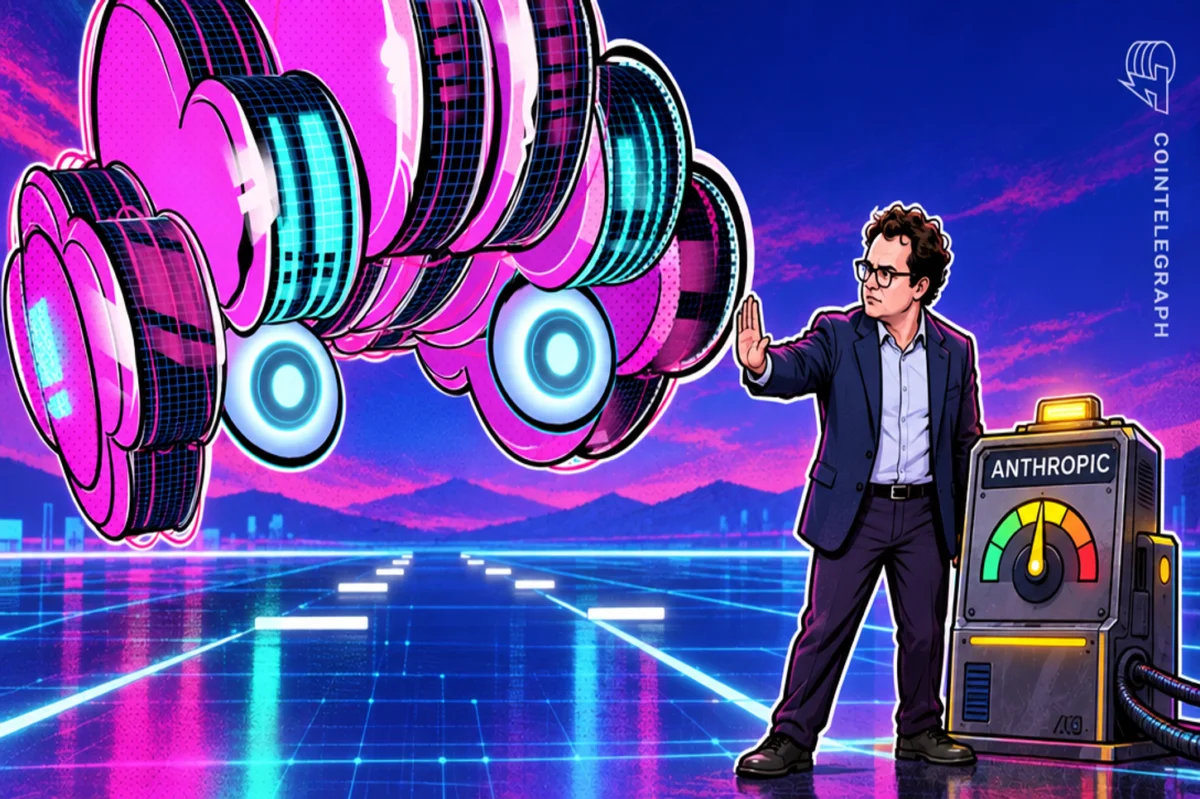
The urgency within OpenAI is further fueled by the aggressive strides made by competitors like Anthropic. Its Claude Code and Cowork chatbots have been making significant waves, demonstrating impressive capabilities in code generation and enterprise productivity. Last month, Anthropic’s Claude Opus, a highly advanced model, triggered a "trillion-dollar selloff" in certain sectors, specifically over heightened concerns that its sophisticated AI capabilities could render legacy enterprise software, and by extension, many of the human roles associated with developing and maintaining it, obsolete. This fierce competition means that every public statement from a key leader like Altman carries significant weight, not just for public perception but for strategic market positioning and investor confidence. The AI race is not just about technological superiority, but also about shaping narratives and demonstrating immediate commercial viability.
While the fear of an "AI jobs apocalypse" is real and understandable, the future of programming is likely more complex than outright replacement. Many industry experts and futurists believe that AI will primarily transform, rather than entirely eliminate, the role of the programmer. Instead of laboriously writing code character-by-character, future developers might find themselves focusing more on higher-level tasks: architecting complex AI systems, mastering prompt engineering to guide AI effectively, debugging and refining AI-generated code, ensuring robust security and compliance, and handling the increasingly complex integration of AI components within larger software ecosystems. The skillset may shift from purely generative coding to oversight, strategic thinking, critical evaluation, and human-AI collaboration. However, this transition itself will be profoundly disruptive, potentially leaving many traditional coders behind if they cannot adapt quickly enough to these evolving demands and acquire new competencies. The challenge lies in managing this transition equitably and effectively.
Altman, a vocal proponent of universal basic income (UBI) as a potential societal solution for widespread job displacement caused by AI, often walks a tightrope between evangelizing AI’s transformative potential and acknowledging its profound disruptive consequences. His recent tweet, however, seemed to lean heavily into the celebratory aspect of disruption without offering the usual caveats or assurances about supporting those affected. This imbalance fuels the public’s anxieties about a future where technological advancement comes at the cost of human dignity and economic stability for vast segments of the workforce. The ongoing debate surrounding AI’s impact on employment is not just about technological capabilities; it’s about fundamental societal values, economic justice, and the evolving question of what constitutes meaningful human work in an increasingly automated world. It highlights a growing chasm between the visionaries driving AI development and the workers grappling with its immediate and future implications.
In essence, Sam Altman’s tweet was far more than just a passing remark; it was a potent symbol of the current tension between rapid technological progress and profound human uncertainty. It starkly highlighted the growing chasm between the optimistic, often utopian, vision of AI’s architects and the lived reality of those whose livelihoods are directly impacted by these advancements. While gratitude for past efforts is commendable, the timing, context, and implied future in Altman’s message transformed it into a stark and unsettling reminder that the era of traditional programming, as we know it, may indeed be nearing its end. This heralds a new, uncertain chapter for millions of tech professionals worldwide. The overarching challenge now is to navigate this unprecedented transition with empathy, foresight, and a steadfast commitment to ensuring that the immense benefits of artificial intelligence are shared broadly across society, rather than concentrated in the hands of a privileged few, thereby exacerbating existing inequalities and creating new forms of social unrest. The responsibility lies with leaders like Altman to not just build the future, but to build it equitably and sustainably for all.