Faris Adani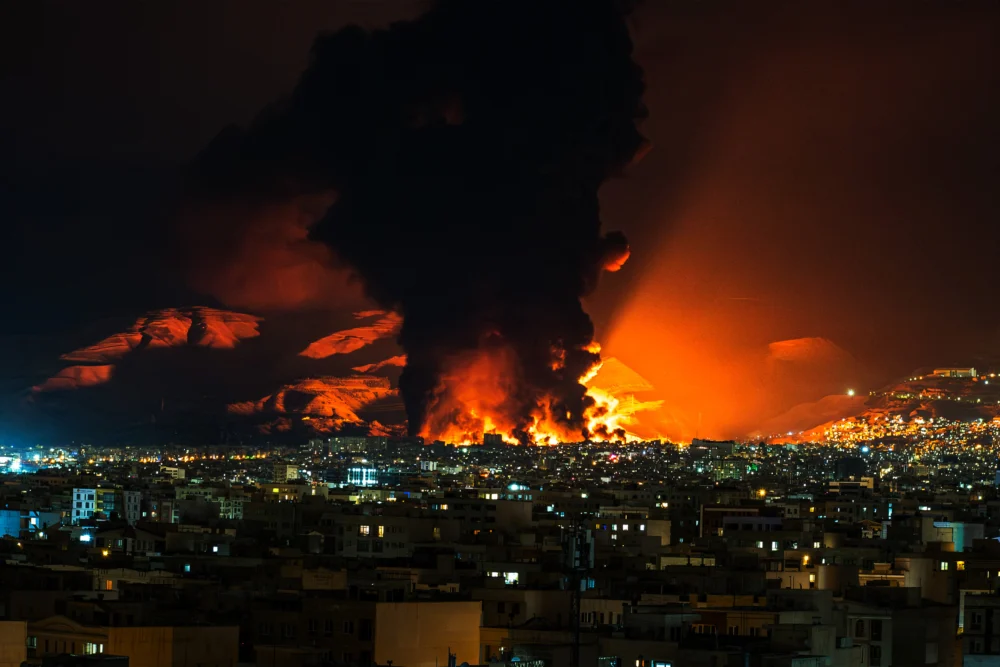
Sasan / Middle East Images / AFP via Getty Images
Sign up to see the future, today
Can’t-miss innovations from the bleeding edge of science and tech
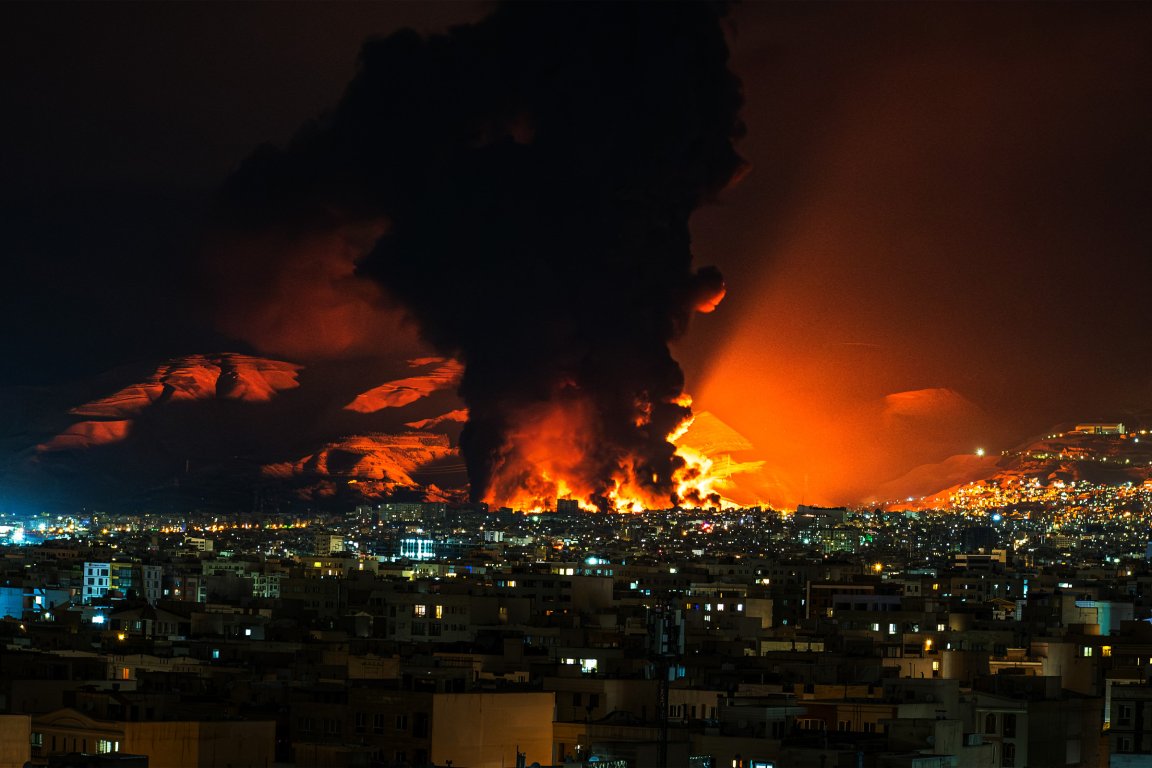
Toxic Sludge Raining Down on Iran After Bombing of Oil Facilities: An Unfolding Environmental and Humanitarian Catastrophe. Tehran, a city already grappling with a confluence of “biblical” hardships including devastating airstrikes, relentless dust storms, and a crippling six-year drought, has been plunged into a new hellscape: a noxious deluge of “black rain,” an unprecedented environmental disaster that unfolded over the past weekend as reports flooded the internet detailing acidic, oil-saturated precipitation drenching the Iranian capital and its surrounding regions. The immediate cause, according to multiple international reports, including *Time* magazine, was a series of targeted Israeli missile strikes on nearby oil storage facilities, which ignited massive infernos, unleashing colossal plumes of fire and thick, black smoke that blotted out the sky for miles, transforming the horizon into an apocalyptic canvas. The air, already heavy with the dust of ongoing conflict and drought, became thick with the acrid stench of burning crude, and residents quickly reported severe respiratory distress, agonizing headaches, persistent skin irritation, and burning sensations in their eyes and throats. Leila, a Tehran resident, vividly recounted the terrifying scene to *Time*, stating, “Something like a black monster has swallowed the sky over Tehran. It’s as if all the cars and the street pavement have been coated in black paint,” an imagery underscoring the profound psychological and physical impact on a populace already at its breaking point. As the inferno raged and the toxic exhaust permeated the atmosphere, raindrops began to fall, but these were no ordinary drops; they were heavy with dark chemical discharge, an oily, acidic sludge that coated everything it touched, a horrifying reality captured in a video dispatch by Fred Pleitgen, CNN’s senior international correspondent in Tehran, who showed the ground saturated with the black, oily precipitation, explaining, “You can see that the rain water is actually black, also saturated, it appears, with oil. That’s what’s coming down this morning, this sort of oil-filled rain.” The Iranian arm of the Red Crescent Society swiftly issued urgent warnings to residents, emphasizing the “highly dangerous and acidic” nature of the rain and its potential to inflict “chemical burns of the skin and serious damage to the lungs.” Environmental experts, as reported by *AirQualityNews*, projected pH levels for this precipitation as low as 4.0, an acidity level comparable to apple cider and falling below the lethal threshold for most species of fish, portending long-term devastating consequences for local aquatic ecosystems and plant biomass. The source of the pollutants – burning oil depots and gasoline logistics sites – confirms the presence of a cocktail of highly toxic compounds: hydrocarbons, carcinogenic polycyclic aromatic hydrocarbons (PAHs), sulfur dioxide (SO2), and nitrogen oxides (NOx). The environmental ramifications extend far beyond immediate irritation, as hydrocarbons, when released into the atmosphere and subsequently precipitated, contaminate soil and water sources, posing long-term risks to agriculture and potable water supplies. Polycyclic aromatic hydrocarbons (PAHs) are particularly insidious, known carcinogens that can bioaccumulate in the food chain, threatening human and animal health for generations. Sulfur dioxide and nitrogen oxides are the primary precursors to classic acid rain, reacting with atmospheric moisture to form sulfuric and nitric acids, which not only directly damage flora and fauna but also acidify soil, depleting essential nutrients and releasing toxic heavy metals. The cumulative effect on Tehran’s already parched and stressed environment could be catastrophic, turning fertile lands barren and further exacerbating the existing water crisis, diminishing biodiversity, and disrupting delicate ecological balances across the region. This latest catastrophe is a direct consequence of four oil depots and a gasoline logistics site being obliterated by Israeli missile attacks, which tragically claimed six lives. The sheer scale of the resulting fires and the subsequent smoke plumes, extending miles into the atmosphere, led one anonymous Iranian journalist to describe the scene as “apocalyptic” to *The Guardian*, with a desperate plea underscoring the humanitarian crisis unfolding: “Even masks are becoming difficult to find. I ask those who have the ability, especially foreign media, to reflect on this situation. What are people supposed to do under these conditions? This is truly a crime against humanity.” The current situation in Tehran is a stark reminder of the multifaceted vulnerabilities of populations caught in the crosshairs of geopolitical conflict and environmental degradation. The relentless six-year drought has already strained water resources to critical levels, leading to widespread rationing, agricultural collapse, and increasing food insecurity. Dust storms, a recurring feature of the region, carrying particulate matter that irritates respiratory systems and damages infrastructure, exacerbate respiratory problems and diminish quality of life. Now, the toxic rain adds another layer of suffering, creating an almost uninhabitable environment for millions, compounding the existing challenges by introducing direct chemical exposure and widespread contamination. The psychological toll of living under such a relentless barrage of crises—from military strikes to environmental collapse—is immeasurable, fostering a pervasive sense of despair and helplessness among the populace, eroding their trust in any semblance of normalcy or a secure future. The Red Crescent Society, while issuing warnings, faces an uphill battle in providing aid, as the scale of contamination, the immediate health risks, and the pre-existing logistical challenges in a region under siege make effective intervention incredibly difficult. The shortage of basic protective equipment like masks highlights the inadequacy of preparedness for such a unique disaster, revealing critical gaps in emergency response capabilities. International humanitarian organizations are likely to face immense challenges in delivering assistance, navigating geopolitical complexities, and addressing the long-term health and environmental remediation needs, requiring unprecedented levels of coordination and resources. The geopolitical context behind these strikes is deeply entrenched in decades of tension between Israel and Iran, with Israel viewing Iran’s nuclear program, its support for regional proxy groups, and its anti-Israeli rhetoric as existential threats. Iran, in turn, perceives Israeli actions as aggression aimed at destabilizing the region and undermining its sovereignty, with these latest attacks representing a dangerous escalation, not only in the military conflict but also in its profound environmental consequences, transforming the very air and rain into weapons against civilian populations. The use of such tactics, even if unintended in their environmental fallout, raises serious questions about the laws of war, specifically concerning the protection of non-combatants and the environment during armed conflict, highlighting a pressing need for international accountability and adherence to humanitarian principles. Looking ahead, the recovery for Tehran and its surrounding areas will be protracted and arduous, with the immediate priority being to assess the full extent of the contamination, provide urgent medical aid to those affected, and ensure access to clean water and safe shelter. Long-term, the environmental remediation efforts will require significant international cooperation, expertise, and resources to decontaminate soil, restore water quality, rebuild ecosystems, and manage the vast quantities of hazardous waste generated. The human cost, both in terms of lives lost and the enduring health burdens, will be immense, ranging from chronic respiratory diseases and increased cancer rates to birth defects and neurodevelopmental issues in children exposed to these potent toxins. This incident serves as a grim illustration of how modern warfare, particularly in energy-rich regions, can precipitate cascading environmental disasters that transcend borders and inflict lasting harm on both nature and humanity. The world watches, not just a conflict, but an unfolding ecological and humanitarian tragedy, a dark testament to the intertwined fates of geopolitical strife and environmental fragility, underscoring the critical need for diplomatic solutions to prevent such catastrophic convergence of human conflict and ecological collapse. The anonymous journalist’s poignant statement, “Dark like our future,” encapsulates the profound despair and the urgent need for a global reckoning with the environmental costs of conflict, calling for a future where peace and ecological preservation are paramount.