anjir abdul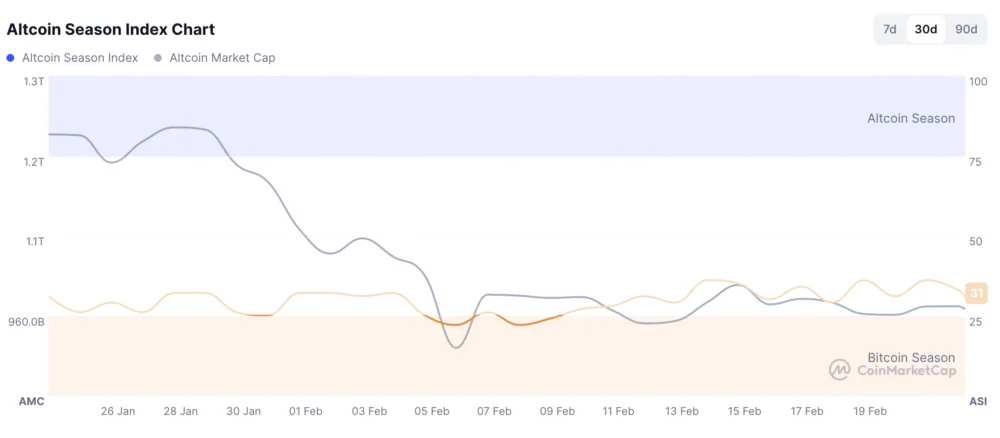
Bitdeer’s Unprecedented BTC Liquidation: A Deep Dive into the Zero-Balance Strategy
The news that Bitcoin mining giant Bitdeer has sold all of its corporate Bitcoin holdings, bringing its treasury balance down to zero, has become a focal point of discussion within the cryptocurrency sector. This strategic pivot was disclosed in the company’s latest operational update, revealing a complete divestment of 943.1 BTC from its existing treasury reserves, alongside the immediate sale of 189.8 BTC produced during the reported period. The total liquidation of 1,132.9 BTC marks a stark departure from the typical treasury management strategies employed by most publicly traded mining operations.
Historically, Bitcoin mining firms like Marathon Digital, Riot Platforms, and CleanSpark often sell a portion of their newly mined Bitcoin to cover operational expenses—such as electricity, hosting fees, and equipment maintenance and upgrades. However, a crucial element of their financial strategy often involves retaining a significant portion, or at least some, of their mined BTC to maintain exposure to Bitcoin’s potential price appreciation. This dual approach allows them to fund ongoing operations while simultaneously benefiting from upward market movements, essentially positioning their treasuries as a form of investment. Bitdeer’s decision to completely empty its reserves, as highlighted by its previous update on February 13 where it still held 943.1 BTC, indicates a fundamental shift in its financial philosophy or an urgent response to prevailing market conditions.
Several factors could underpin such a drastic move. One plausible explanation revolves around immediate liquidity needs. The capital-intensive nature of Bitcoin mining, coupled with fluctuating energy prices and the continuous demand for advanced hardware, often puts pressure on miners’ balance sheets. Bitdeer might have faced significant operational costs, debt servicing obligations, or perhaps sought to fund expansion into new ventures, such as high-performance computing or artificial intelligence, which are becoming increasingly intertwined with energy infrastructure initially developed for mining. A full liquidation could provide the necessary capital injection without resorting to dilutive equity raises or high-interest debt.
Another perspective suggests a strategic de-risking or a bearish outlook on Bitcoin’s short-to-medium term price trajectory. While counter-intuitive for a company whose core business is Bitcoin production, a belief that Bitcoin’s price might stagnate or decline could prompt a move to lock in current valuations and reallocate capital. This could also be a precursor to a more diversified asset allocation strategy, moving away from a sole reliance on Bitcoin’s price performance. Furthermore, the increasing volatility and regulatory uncertainties in the crypto space might have encouraged a more conservative, cash-centric approach to treasury management.

The implications for Bitdeer are multifaceted. While gaining immediate liquidity, the company now forfeits direct exposure to Bitcoin’s future price appreciation, which could be a significant drawback if BTC experiences another bull run. This could affect investor perception, potentially signaling a lack of confidence in Bitcoin’s immediate future or highlighting underlying financial pressures. For the broader mining industry, Bitdeer’s move could serve as either an anomaly or a potential harbinger. If other miners follow suit, it could indicate widespread financial strain or a collective re-evaluation of treasury strategies in a rapidly evolving market landscape. However, for now, most major miners continue to embrace the HODL strategy for at least a portion of their production, making Bitdeer’s full liquidation a notable and somewhat isolated event that warrants close monitoring.
Shifting Sands of Crypto Investor Behavior: Beyond the Top Two
In parallel to Bitdeer’s corporate strategy shift, observations from the retail investment front indicate a maturing, yet still adventurous, investor base. Johann Kerbrat, the head of crypto at Robinhood, a platform popular among retail investors, revealed a significant trend: crypto investors are increasingly exploring assets beyond the established giants like Bitcoin (BTC) and Ethereum (ETH), even amidst what some perceive as a market downturn. Kerbrat noted that many Robinhood customers view the current market conditions not as a setback, but as an "opportunity to buy the dip," actively diversifying their portfolios into a broader spectrum of cryptocurrencies.
This "buy the dip" mentality is a common psychological phenomenon in volatile markets, particularly prevalent in the crypto space where historical recoveries have often rewarded those who invested during periods of decline. For newer investors, or those who have weathered previous bear markets, a dip can be seen as a chance to acquire assets at a lower entry point, betting on future appreciation. What’s particularly noteworthy, according to Kerbrat, is that this impulse is not confined to the largest cryptocurrencies. Instead, investors are "going pretty wide," venturing into a variety of altcoins.
This diversification signals several things about the evolving crypto landscape. Firstly, it suggests a growing comfort among investors with crypto as an asset class, including its inherent volatility. Rather than being deterred by price swings, they are learning to navigate them, potentially seeing higher risk-reward opportunities in lesser-known assets. Secondly, it reflects a deepening understanding of the various sub-sectors within the crypto ecosystem. Investors are likely exploring Layer-1 blockchains (alternatives to Ethereum), decentralized finance (DeFi) protocols, non-fungible tokens (NFTs), metaverse projects, AI-integrated tokens, and even real-world asset (RWA) tokenization platforms. Each of these categories offers unique value propositions and growth potentials, attracting capital from those looking for the "next big thing" or simply to spread their risk.
However, venturing beyond BTC and ETH comes with its own set of risks. Altcoins, by their nature, often exhibit higher volatility, lower liquidity, and can be more susceptible to market manipulation or project-specific failures, including "rug pulls." The due diligence required for investing in altcoins is significantly higher, demanding a deeper understanding of technology, tokenomics, team, and community. Platforms like Robinhood play a crucial role here by offering a wider selection of assets while also ideally providing educational resources to help investors make informed decisions.

Interestingly, this trend of individual investor diversification seemingly stands in contrast with broader market indicators. The Altcoin Season Index, for instance, recorded a "Bitcoin Season" score of 33 out of 100 on Sunday, implying that overall, Bitcoin still dominates market sentiment and capital flows over altcoins. This apparent contradiction can be reconciled by understanding that while a segment of active retail investors on platforms like Robinhood might be diversifying, the sheer market capitalization and institutional interest often remain heavily concentrated in Bitcoin and Ethereum. The Altcoin Season Index measures the proportion of altcoins outperforming Bitcoin over a given period; a low score suggests Bitcoin’s continued dominance in terms of overall market performance and capital allocation, even if individual investors are exploring diverse portfolios. It underscores the dual nature of the crypto market: a robust, Bitcoin-centric core, alongside a dynamic, exploratory periphery of altcoins.
Trump’s Tariffs and Crypto’s Unfazed Resilience
Adding a layer of geopolitical and economic complexity to the day’s headlines, former U.S. President Donald Trump announced a significant increase in global tariff rates, raising them by 5% to a new total of 15%. This declaration, made via his Truth Social platform, stated that the tariffs would be "effective immediately" and applied "on top of already existing, legally valid tariffs." The announcement came shortly after a Supreme Court decision that had seemingly struck down Trump’s authority to impose tariffs unilaterally under the International Emergency Economic Powers Act (IEEPA), suggesting a shift in the legal basis or an assertion of new presidential powers for this specific action.
Tariffs are essentially taxes on imported goods, typically implemented to protect domestic industries from foreign competition, generate revenue for the government, or exert geopolitical leverage. While they can bolster specific local sectors, they often come with broader economic repercussions. Increased tariffs can lead to higher consumer prices as import costs rise, disrupt global supply chains, and provoke retaliatory tariffs from affected countries, potentially escalating into trade wars. Such actions can dampen global economic growth and create an environment of uncertainty for businesses and investors alike.
Historically, major economic policy shifts, especially those perceived as protectionist or potentially disruptive to global trade, often cause ripples across financial markets. Risk-on assets, including equities and, more recently, cryptocurrencies, have typically experienced downturns or heightened volatility in response to such announcements. The rationale is that trade disputes can slow economic growth, reduce corporate profits, and diminish overall investor confidence, leading capital to flow out of riskier assets into safer havens.
However, in a surprising turn, crypto markets remained largely unfazed by Trump’s latest tariff declaration. Bitcoin, Ethereum, and the broader altcoin market showed minimal reaction, holding firm against the news. This resilience prompts a crucial question: Is the crypto market truly decoupling from traditional macroeconomic and geopolitical influences, or are other factors at play?

Several theories could explain this apparent detachment. One possibility is that the crypto market’s focus has shifted towards internal catalysts and narratives. Factors such as Bitcoin ETF inflows, upcoming network upgrades (like Ethereum’s Dencun or future upgrades), the Bitcoin halving cycle, and the overall adoption rate of decentralized technologies might be exerting a more dominant influence on investor sentiment than traditional economic policies like tariffs. Crypto investors might be more attuned to the inherent supply/demand dynamics of digital assets and the development of their underlying technology rather than the intricacies of international trade.
Another perspective suggests that the perceived impact of this specific tariff increase might not be deemed significant enough by the crypto community to warrant a major market reaction. While a 5% hike is notable, the cumulative effect within the vast global economy might be seen as less immediately threatening than, say, a systemic banking crisis or a major regulatory crackdown directly targeting crypto. Furthermore, some within the crypto sphere view digital assets as a hedge against traditional economic instability or government overreach, implying that such protectionist policies might even, in the long term, subtly reinforce the appeal of decentralized, borderless currencies.
While crypto markets remained stable in the immediate aftermath, it’s crucial to acknowledge that indirect long-term effects cannot be ruled out. A prolonged period of trade tensions could lead to a global economic slowdown, impacting disposable income and investment capital, which could eventually trickle down to crypto. Moreover, if tariffs significantly impact specific industries that are closely tied to crypto infrastructure (e.g., chip manufacturing for mining, tech development), there could be delayed consequences. For now, however, the crypto market’s stoic response to Trump’s tariff hike underscores its evolving maturity and its increasingly complex relationship with the traditional financial and political landscape.
In conclusion, "Today in Crypto" presented a fascinating trifecta of narratives: a major Bitcoin miner executing an unprecedented full liquidation of its BTC treasury, a leading retail platform observing a significant shift towards broader altcoin diversification among investors, and the surprising resilience of crypto markets in the face of escalating global trade tariffs. These events, though disparate, collectively paint a picture of a cryptocurrency ecosystem that is simultaneously grappling with internal financial pressures, evolving investor sophistication, and demonstrating an increasing, albeit selective, independence from traditional economic and political shocks. As the industry matures, the interplay between corporate strategy, retail behavior, and macroeconomic forces continues to shape its unpredictable yet compelling trajectory.